

Industrial Filter Presses for Solid-Liquid Separation
Loway builds chamber, membrane (recessed), plate & frame, mobile and pilot-scale filter presses for sludge dewatering, slurry concentration and product recovery. We design the frame, hydraulics, control and most plate geometries in-house; filter cloth and consumables are matched through qualified OEM media suppliers.
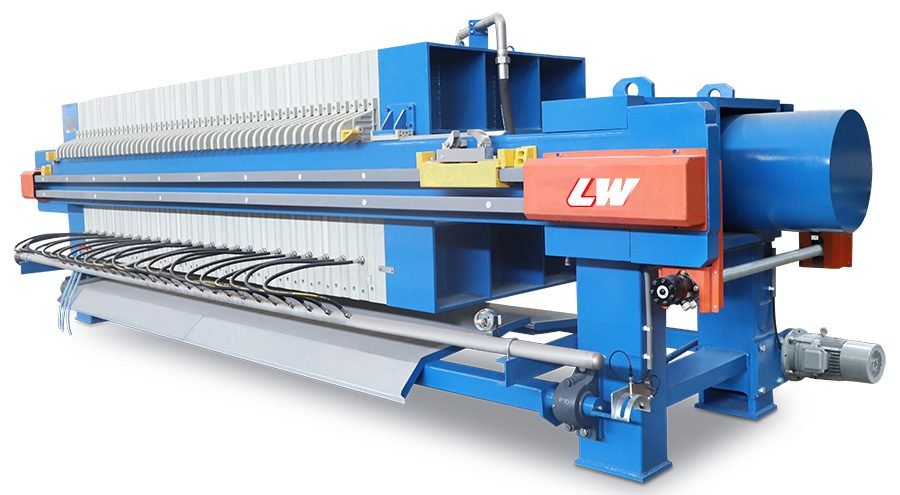
Seven Filter Press Platforms
From small-batch lab presses to multi-ton-per-hour industrial lines. The frame, hydraulics, control and most plate geometries are cast or machined at the Loway facility; filter cloth, gaskets and squeeze-membrane rubber are sourced from qualified OEM media suppliers and matched to your duty cycle.
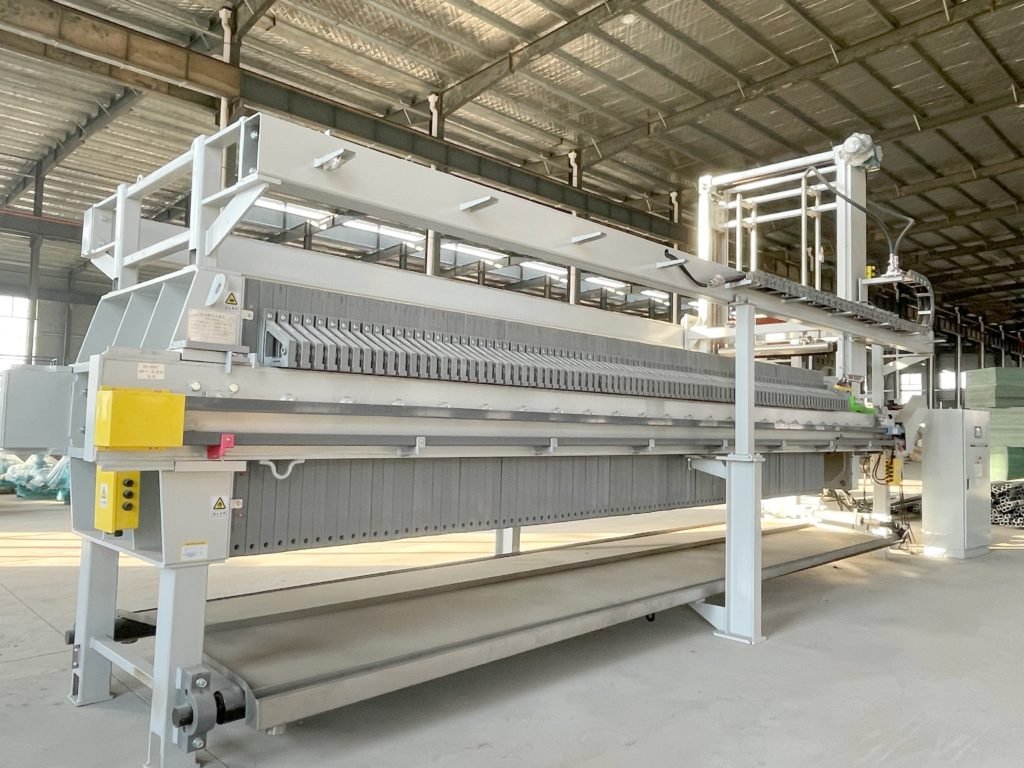
Recessed Chamber Filter Press
Most widely used dewatering configuration. PP, cast-iron or stainless recessed plates form sealed chambers; slurry is fed under pressure, solids build as cake, filtrate exits through cloths. Loway supplies the press, plates and frame in-house; replacement cloth is matched through OEM suppliers.
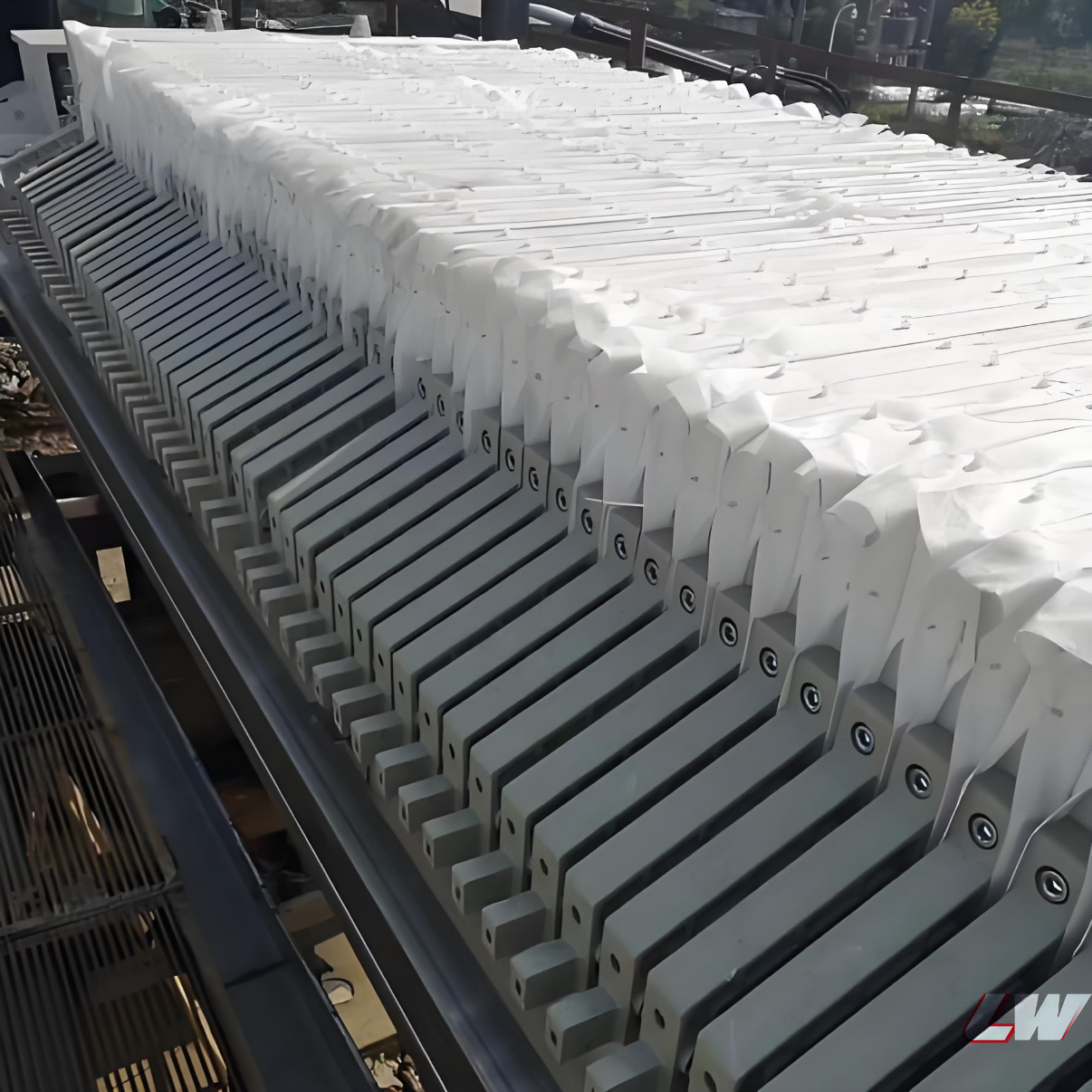
Membrane (Recessed) Filter Press
Adds an elastomeric squeeze membrane behind each filter plate. After primary filling, compressed air pushes the membrane to mechanically compress the cake and force out residual moisture — typically 5–15 percentage points drier than chamber-only at comparable feed. Lower water content cuts downstream drying cost.
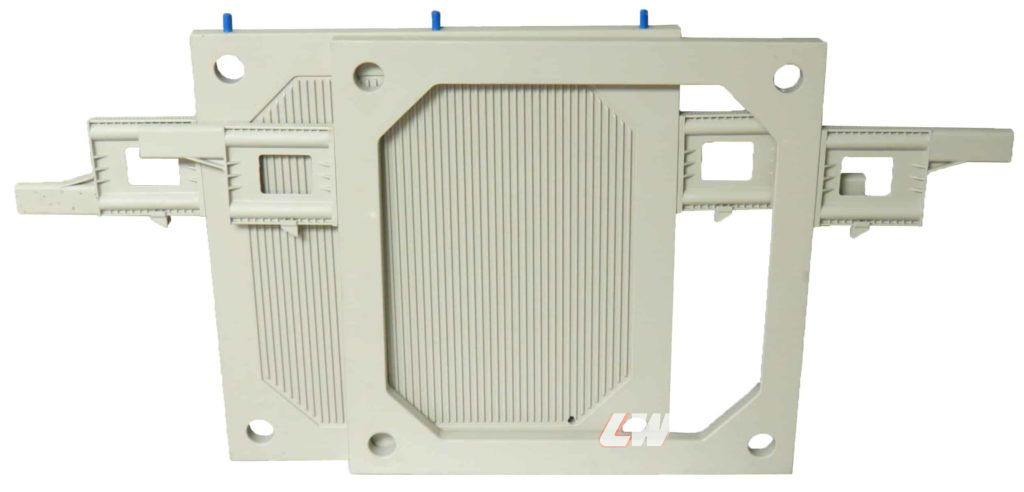
Plate & Frame Filter Press
Open-discharge plate-and-frame geometry with alternating flat plate and hollow frame. Cloth is fixed on each plate; cake forms in the frame cavity and discharges by opening the pack. Lower capex than membrane for wash-duty applications; the plate-and-frame core is a stock Loway geometry, cloth is OEM-supplied.
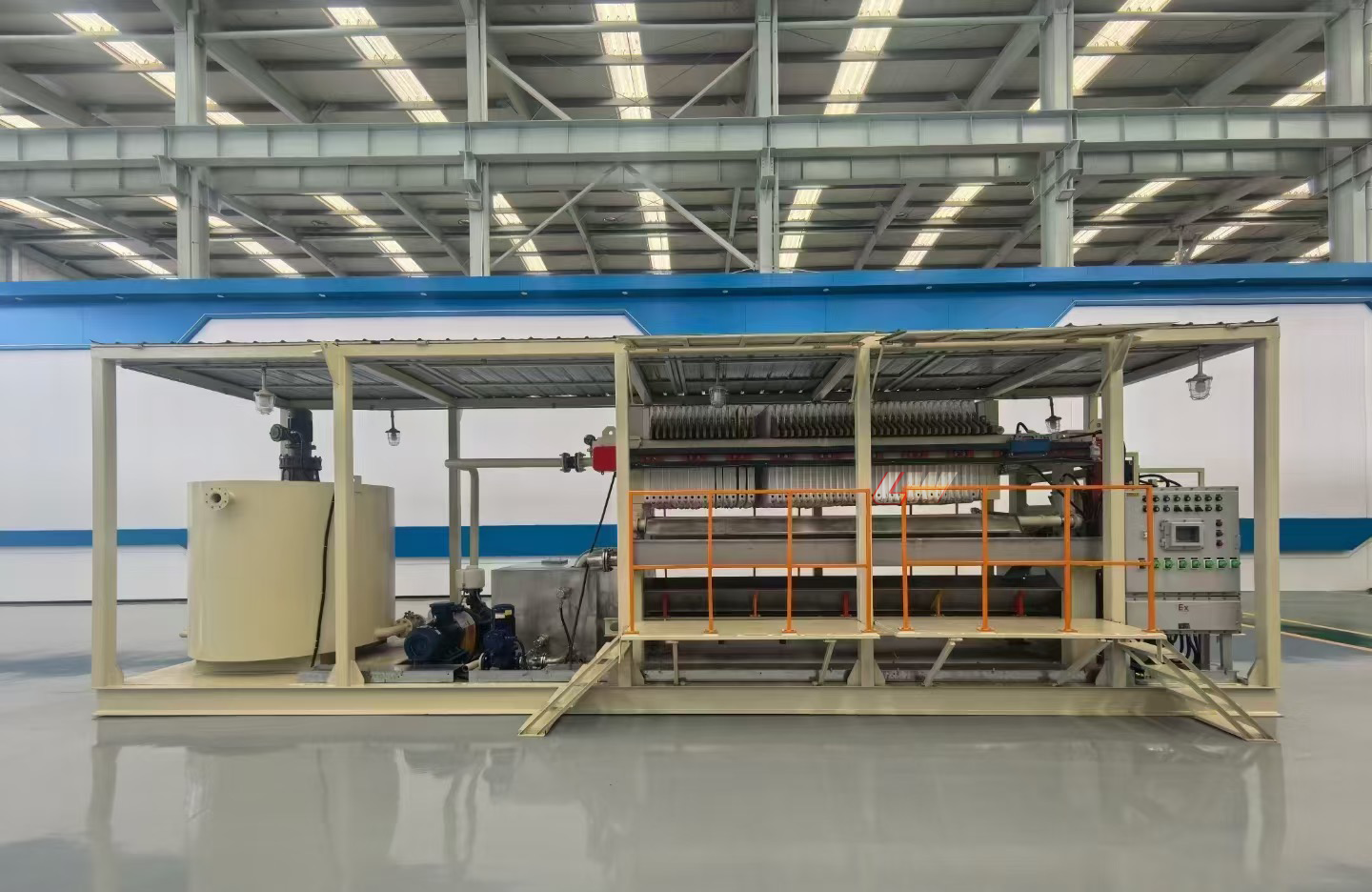
Mobile (Skid-Mounted) Filter Press
Compact skid-mounted unit integrating feed pump, press, control panel and drip tray on a single base frame. Sized for sites that need to relocate the press or run multiple short campaigns. Typical clients: small municipal stations, pilot plants, on-site dewatering for contractors. Cloth and consumables OEM-supplied.
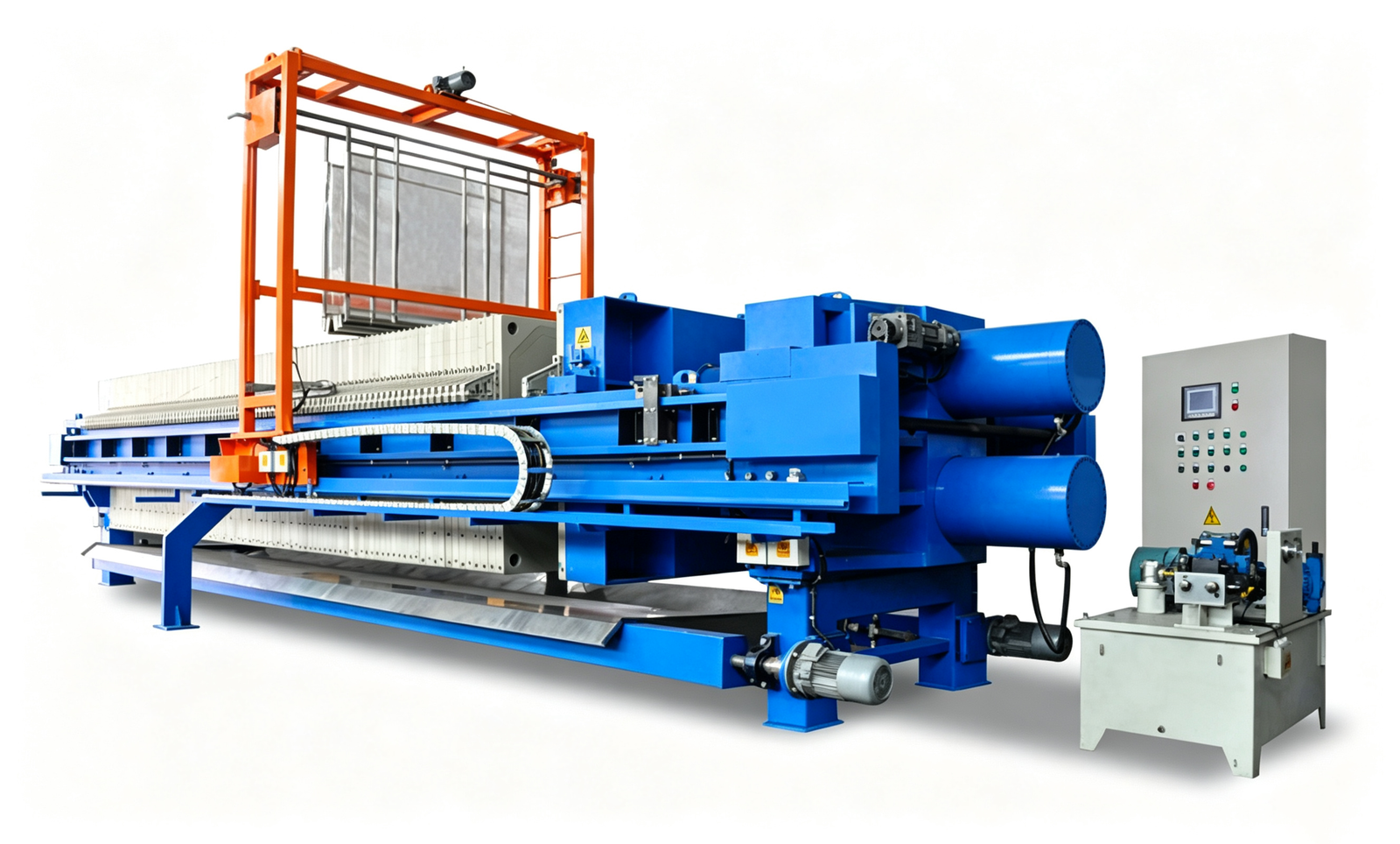
Automated (PLC) Filter Press
Fully automatic press built around a PLC with HMI touch screen, plate-shifter, hydraulic pack, automatic cloth-wash and cake conveyor. Designed for unattended batch operation: feed → press → squeeze → wash → discharge runs on a recipe, not an operator. Loway supplies frame, hydraulics, control panel and integration; cloths and membranes matched through OEM media suppliers.

Quick Opening Filter Press
Plate pack opens as a single block on a single hydraulic action rather than plate-by-plate. Cuts plate-shifting time and operator exposure between batches. Common in pigment, kaolin, and chemical clarification lines where cycle time is the bottleneck. Plate geometries cast in-house at Loway; cloth and membranes OEM-supplied.
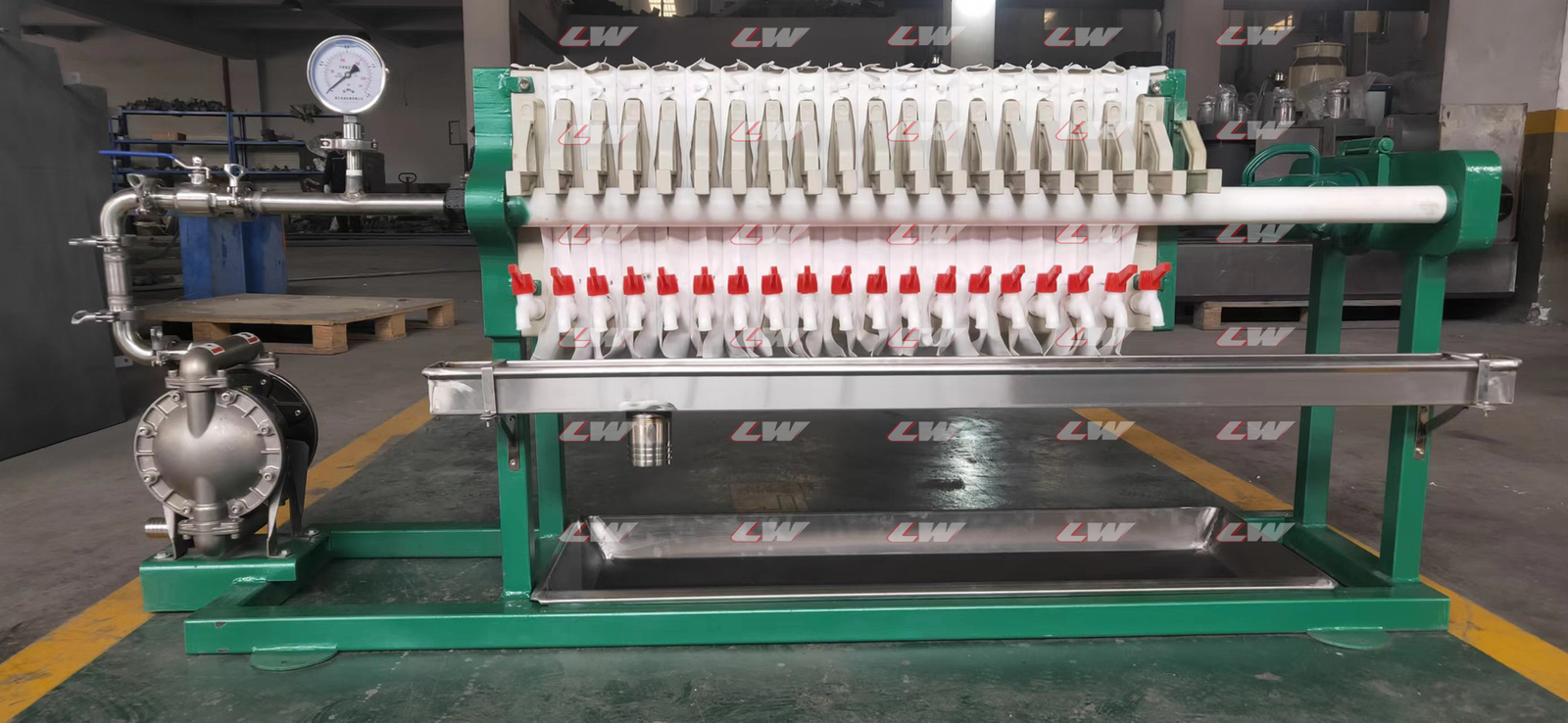
Lab & Pilot Filter Press
Small-area presses for feasibility testing, R&D, and pilot-scale trials. Use them to establish cake moisture vs. feed, wash ratio, throughput and cloth life on your actual slurry before committing to a production line. Test results inform the design of the full-scale press — bench numbers, scaled up.
Numbers shown are typical operating ranges — actual values depend on slurry, cake thickness, cloth spec and duty cycle. Final selection is confirmed by bench or pilot test on your sample.
How a Filter Press Cycle Works
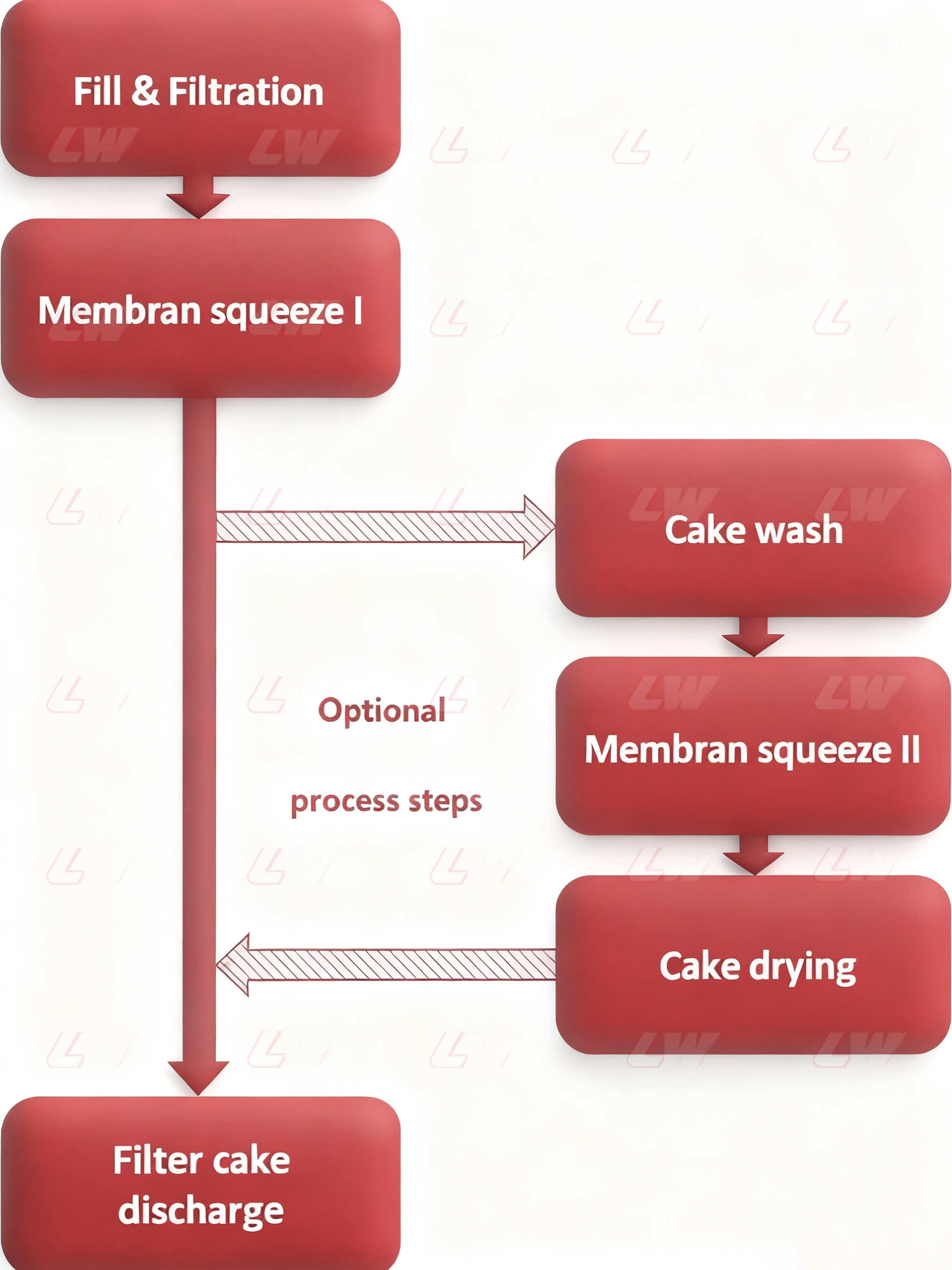
A filter press runs in batch cycles. Each cycle goes through five (or six, with squeeze) stages. The diagram on the right shows the standard chamber-press loop; membrane presses add a squeeze step between filtration and wash.
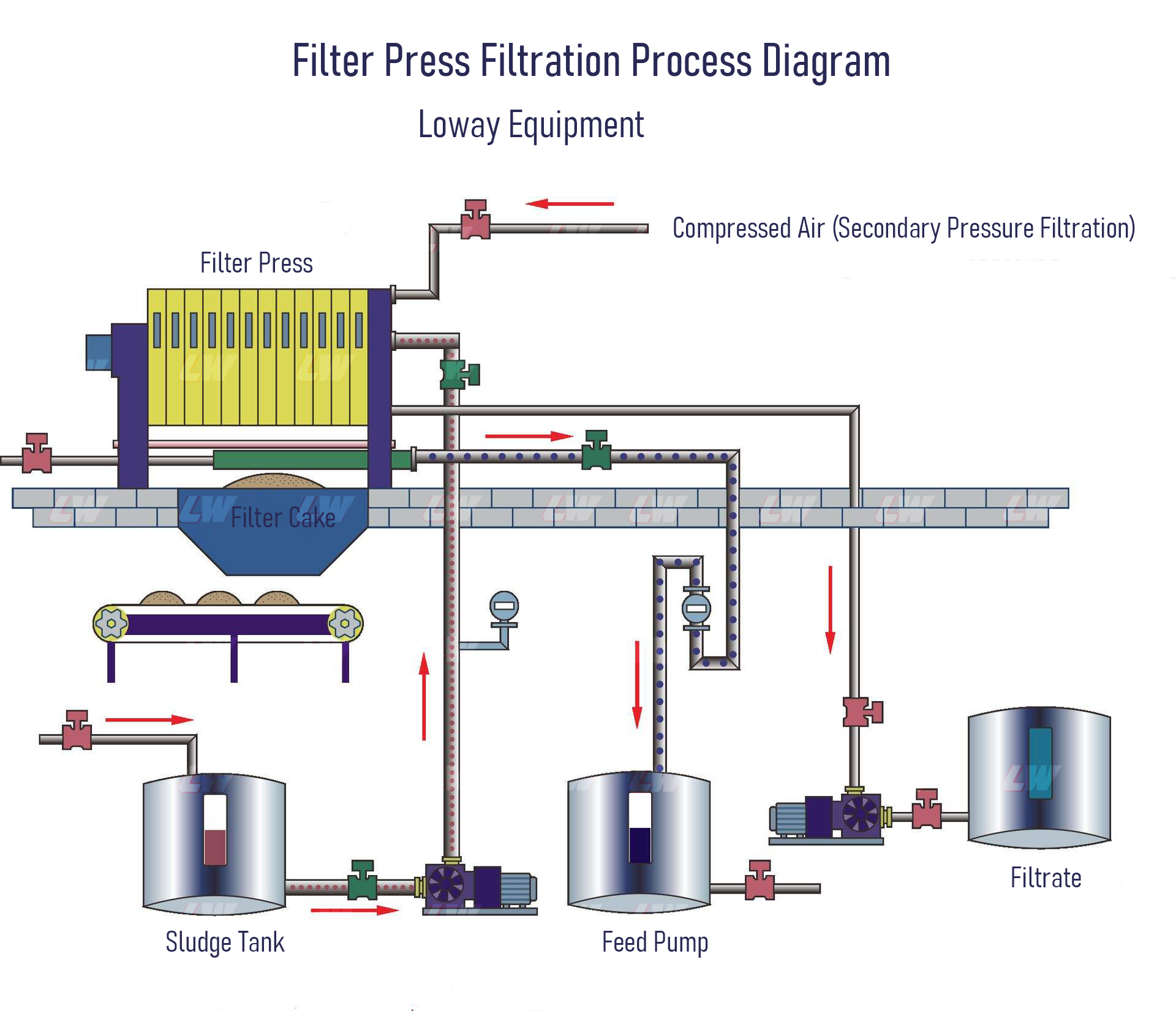
1 · Sludge feed
Conditioned slurry is pumped into the closed plate pack. Pressure builds to the target feed pressure (typical 5–7 bar).
2 · Filtration
Solids deposit on the cloth as filtrate passes through and exits the press. Cake builds until feed pressure equalises.
3 · Cake wash (optional)
Wash water passes through the cake to remove soluble contaminants. Required for some pigments, chemicals and pharmaceutical intermediates.
4 · Air blow / squeeze
Compressed air (or membrane squeeze) drives residual moisture out of the cake. Typical final cake moisture 55–75% depending on solids.
5 · Cake discharge
Plates open sequentially; cake falls off the cloth by gravity. Auto cloth-washing (optional) cleans cloth in place before the next cycle.
Why choose a membrane press
If your downstream process is sensitive to moisture (thermal drying, incineration, transport cost, landfill gate fee), membrane squeeze typically gives 5–15 percentage points lower moisture than chamber-only at comparable feed. The trade-off is capex: membrane plates cost more than recessed plates, and the elastomer has a finite service life (typically 12–24 months in continuous duty).
Whether membrane is worth the capex for your application is a bench-test question — bring a slurry sample and we’ll run the comparison.
Four Factors That Drive Press Selection
A filter press is not a catalog item — it’s sized to your slurry. These four factors determine the configuration; we work through them with you during enquiry, then confirm by test.
1 · Sludge type & solids
Particle size, compressibility, abrasive content and chemical compatibility with PP / cast iron / stainless determine plate material and cloth spec.
2 · Cake dryness target
Chamber press typically delivers 60–75% moisture. Membrane squeeze brings 50–65%. If you need below 50%, plan thermal drying downstream.
3 · Throughput & cycle
Driven by feed volume per shift, available batch window and cake thickness. Typical cycles 20–45 min for chamber, 15–30 min for membrane.
4 · Automation level
Manual plate shifting · semi-auto (programmed cycle, manual plate) · fully auto (PLC + auto cloth wash + auto cake discharge). Each tier affects capex and labour cost.
Final selection is confirmed with a bench or pilot test on your sample slurry. Send 20–50 L of representative feed to the Loway facility and we will run the comparison under your target cake moisture.
Where Loway Filter Presses Run
Filter press duty varies sharply by industry. The configuration, plate material, cloth and automation tier differ for food-grade, mining, chemical and wastewater duty — and so does the after-sales support model. Below is a snapshot; full industry coverage on the dedicated page.
Food & Beverage
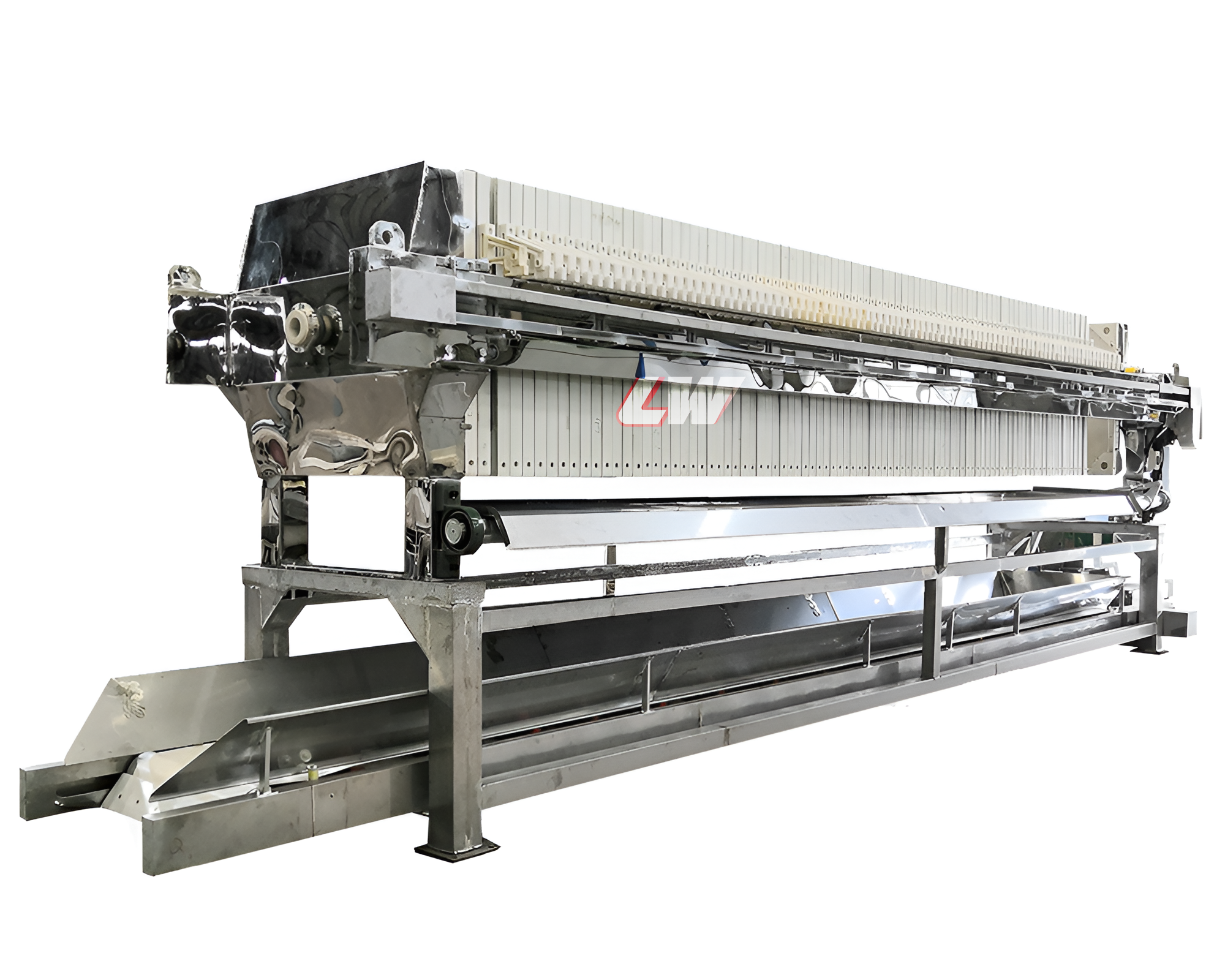
Brewery spent grain, juice clarification, edible oil refining. Stainless contact surfaces, sanitary piping and CIP-friendly layout as standard for this duty.
Mining & Minerals
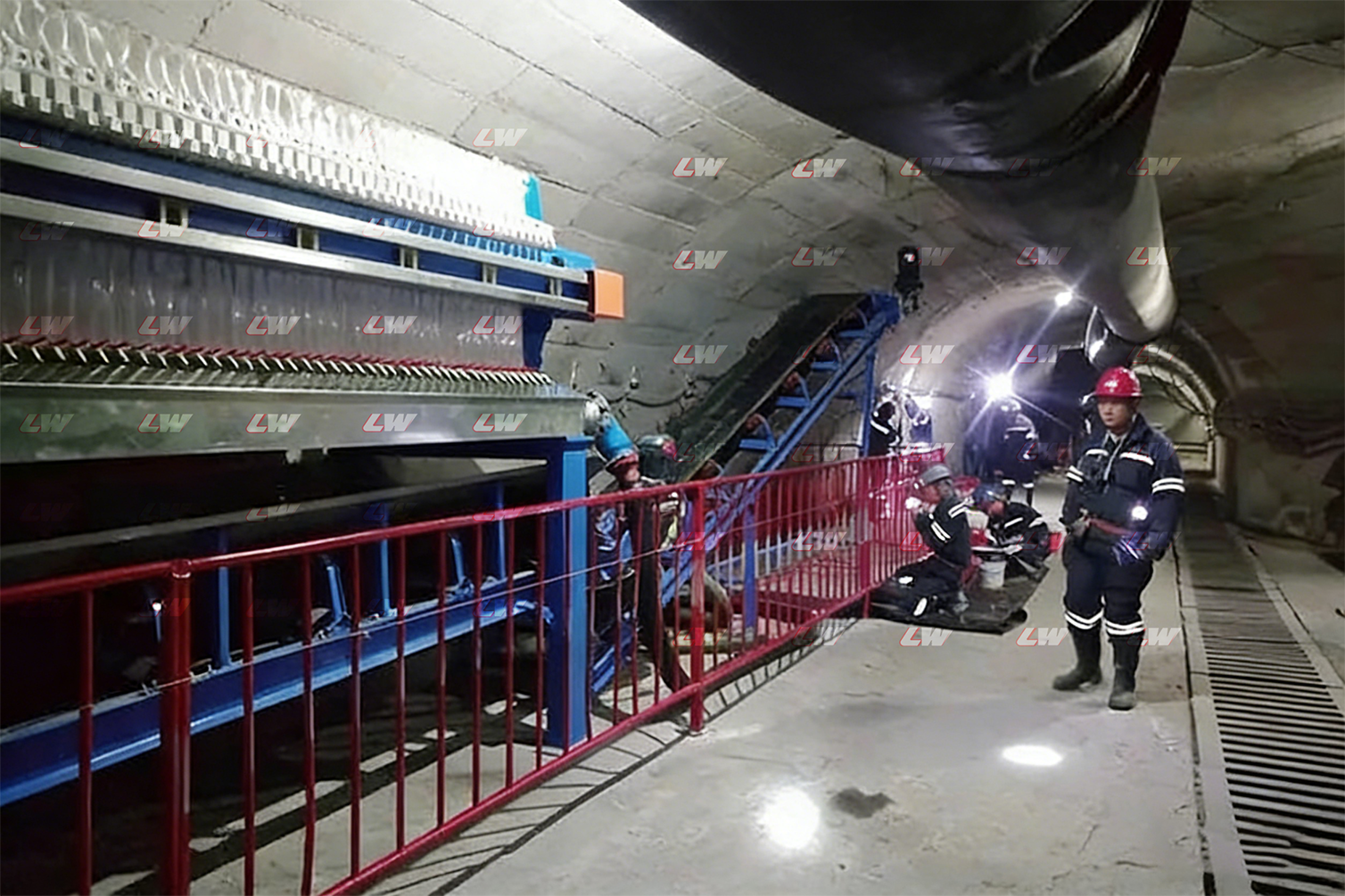
Tailings dewatering, concentrate filtration, coal and metal recovery. Heavy-duty frames, abrasive-tolerant plate materials, higher-pressure hydraulics.
New Energy & Chemicals
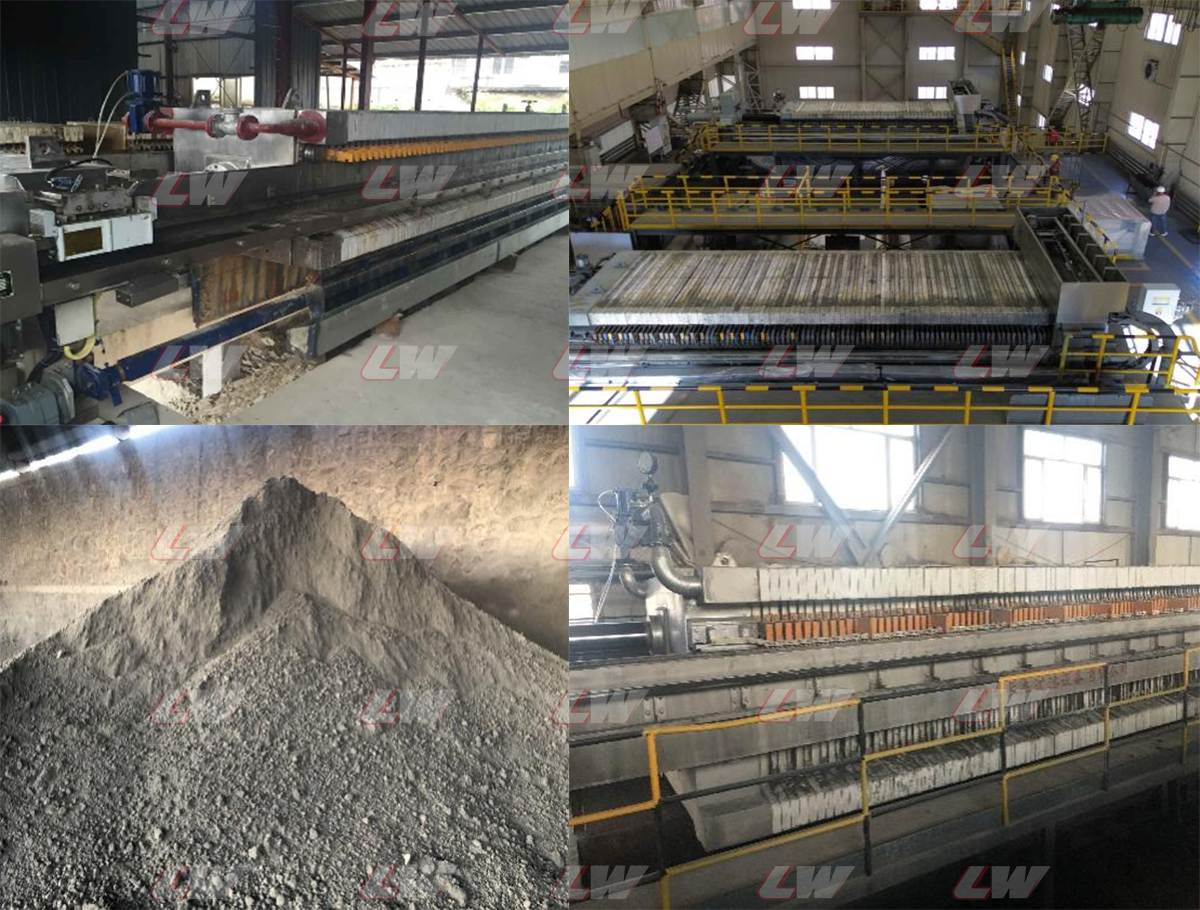
Lithium carbonate, cathode material precursor, copper-molybdenum concentrate, pigment clarification. Wash-duty plate-and-frame or membrane configurations.
Wastewater & Sludge
Municipal WWTP sludge, industrial effluent, dairy and food processing wastewater. Sized for the daily sludge volume; PP plates standard.
Built at the Loway Facility
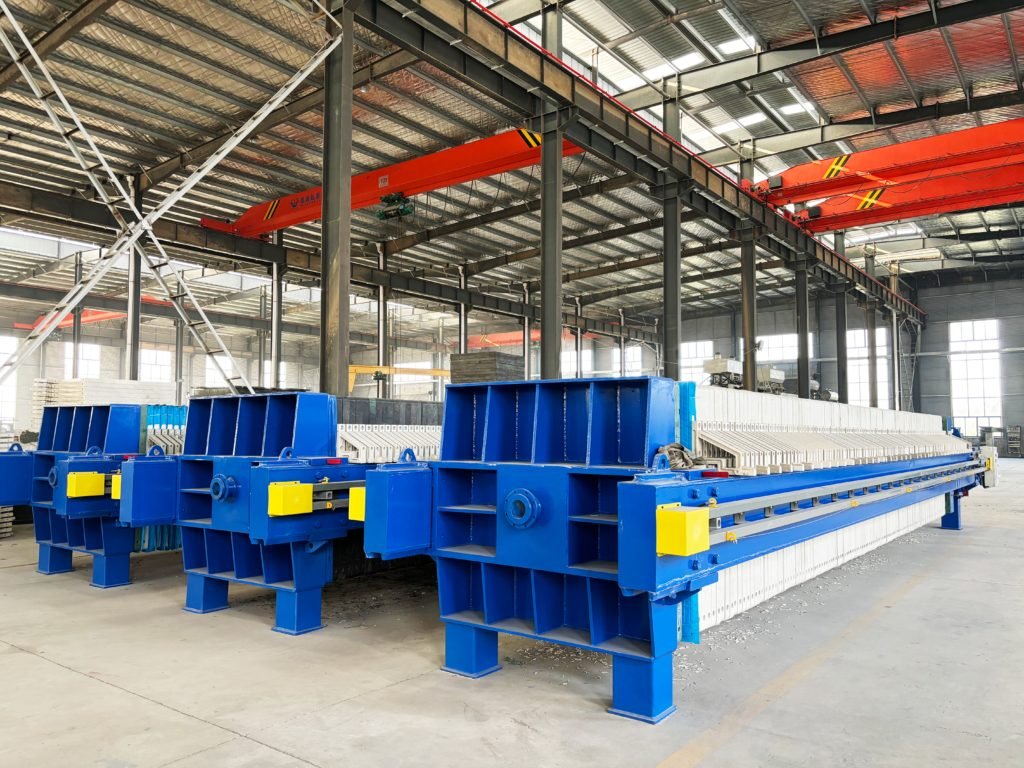
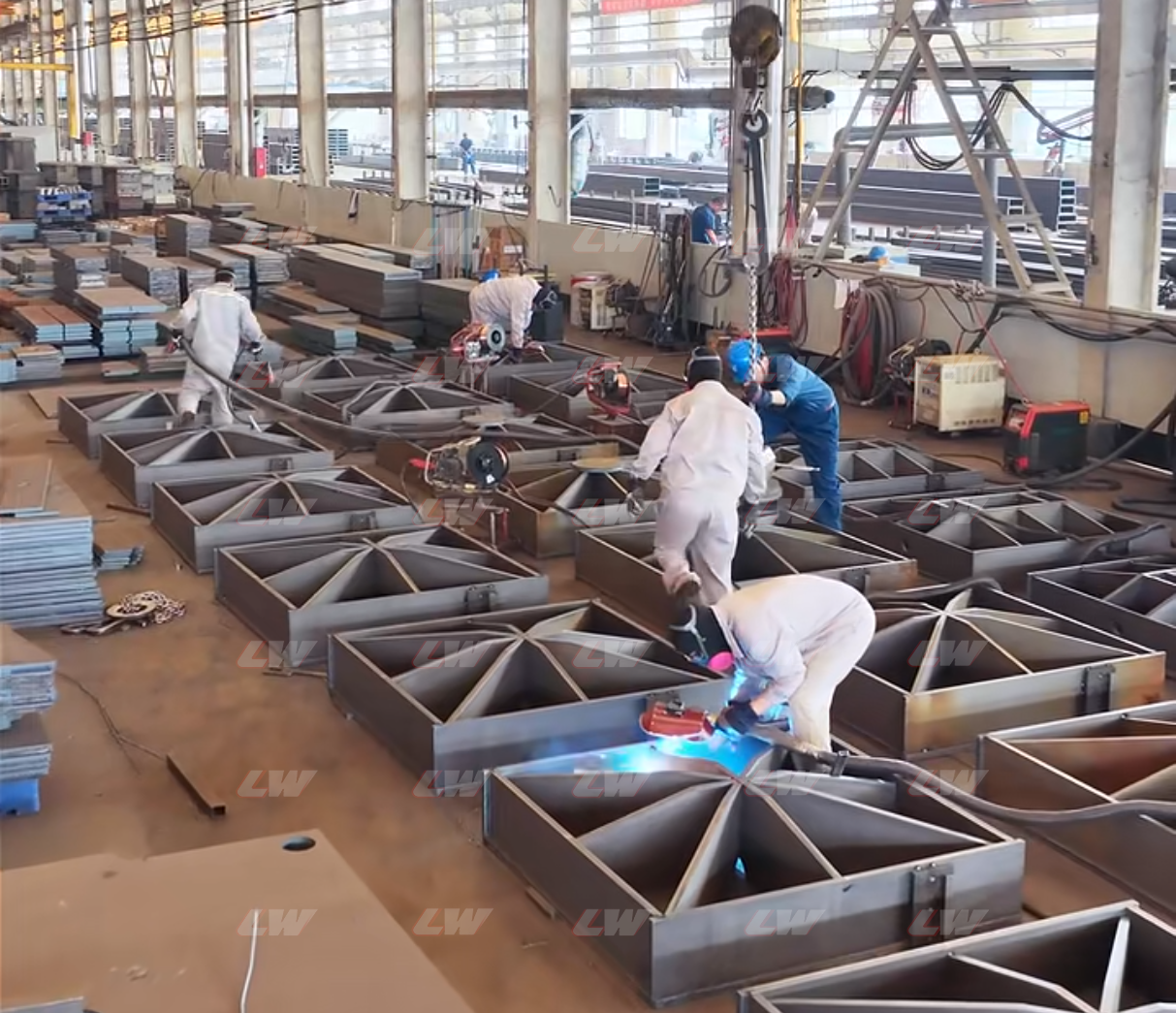
The frame, hydraulics, control panel and most plate geometries are cast, machined and assembled at the Loway facility in Yixing, Jiangsu. Filter cloth and squeeze-membrane elastomer are sourced from qualified OEM media suppliers and validated against your duty cycle before shipment.
What’s made in-house vs. OEM-supplied
- In-house: filter press frame, hydraulic closure, control panel, most recessed and membrane plate geometries, all assembly and QA.
- OEM-supplied (qualified): filter cloth, squeeze-membrane elastomer, gasket materials, hydraulic seals — sourced from specialist filter media and sealing suppliers and validated against your duty.
- Final selection of OEM media is confirmed by bench / pilot test on your slurry — not generic catalog cloth.
- Lead time: typical 30–60 days for standard configurations; engineered-to-order cycles confirmed at quotation.
- QA: hydrostatic test on every press, FAT (factory acceptance test) video available on request.
Send a slurry sample, get a sized proposal
For accurate sizing we need: target dry-tonnage per day, target cake moisture, slurry type and origin, available feed concentration. 20–50 L of feed is enough for bench test; pilot test (6–30 m² press) on site is also available.