

Engineering Resources/Technology Selection Guide
Engineering resources · technology comparison
Choosing the Right Dewatering Technology
Five machines solve five different problems. Compare filter presses, belt filter presses, screw presses, rotary drum filters and mechanical screening side by side — then use a three-question shortcut to shortlist the technology for your sludge.
The comparison
Five Loway Technologies, Side by Side
Three machines do the dewatering; two protect and prepare the flow upstream. Values below are typical for municipal and industrial biological sludge — your feed decides the real numbers.
In production at customer sites
Every machine in the table below is engineered, built and shop-tested at the Loway factory — then installed and commissioned at customer sites worldwide.

Dairy farm & cooperative
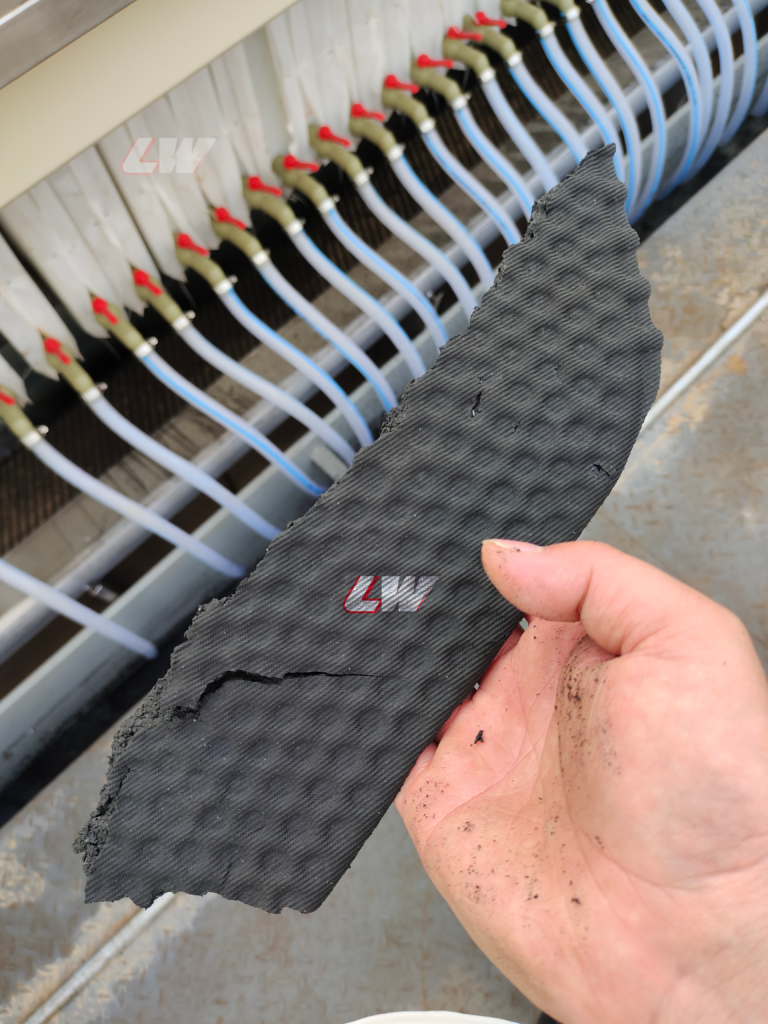
Coal mining — dry cake
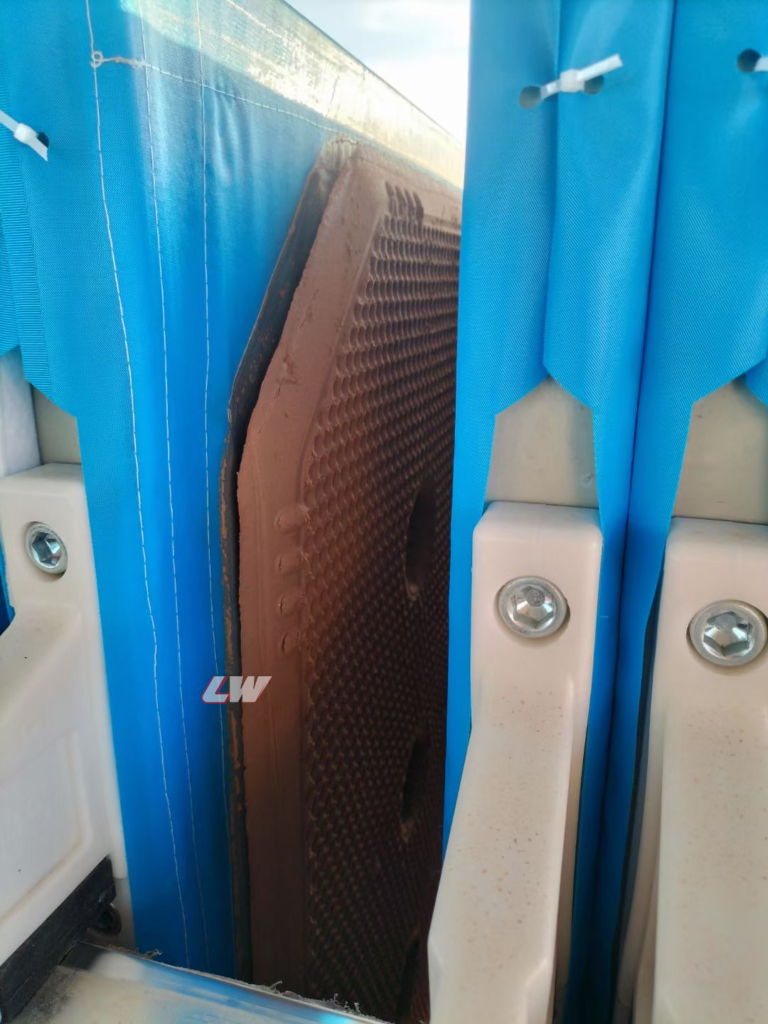
Sludge dewatering
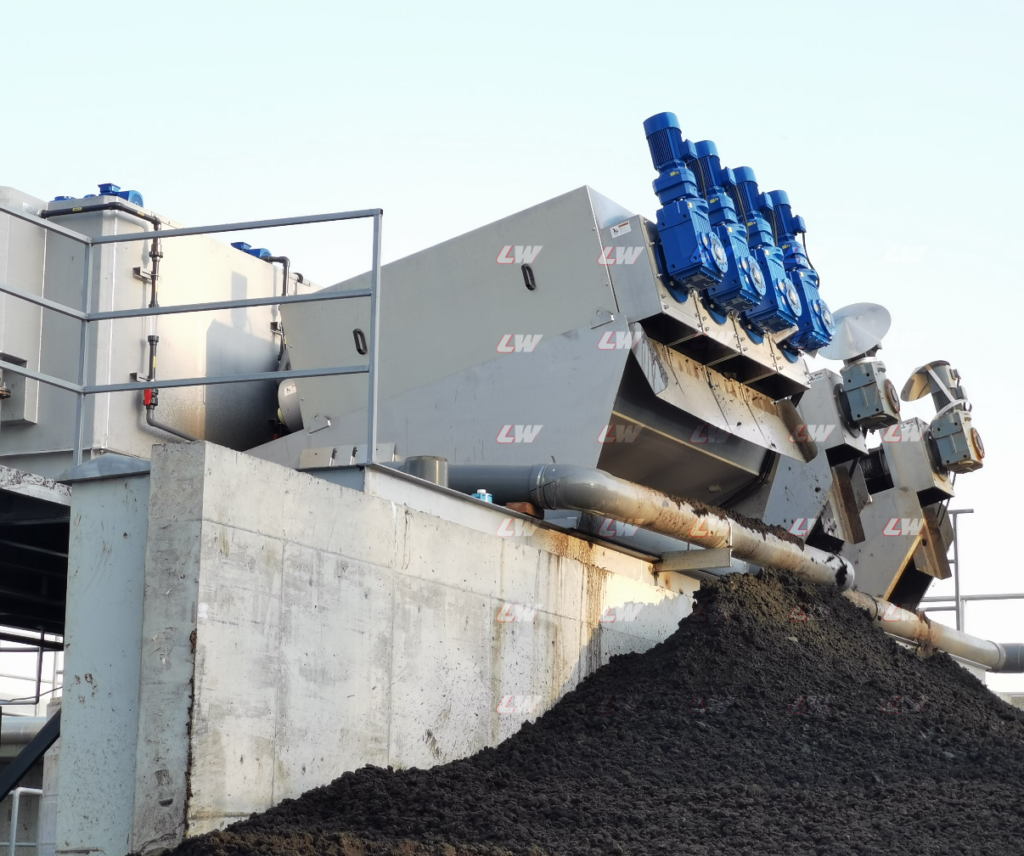
Wastewater treatment
| Compare | Filter PressPressure filtration, batch | Belt Filter PressGravity + shear, continuous | Screw PressScrew compression, continuous | Rotary Drum FilterFine screening / thickening | Mechanical ScreeningCoarse-solids removal |
|---|---|---|---|---|---|
| How it separates | Slurry is pumped into chambers between filter plates; pressure — plus optional membrane squeeze — forms a dry cake. | Conditioned sludge is sandwiched between two moving belts and dewatered under gravity, wedge and roller pressure. | Sludge is conveyed through a narrowing screw inside a fixed screen basket; the volume reduction squeezes water out. | Water passes through a rotating fine screen; suspended solids are retained, scraped off and thickened for the next step. | Bar screens, drum screens and grinders remove rags, hair, grit and coarse solids before pumps and presses. |
| Typical feed solids | 1–8% — thinner feeds can be conditioned or pre-thickened first | 1.5–5% | 0.5–5% — handles thin, organic sludge well | <1–3% suspended solids (fines) | Any stream carrying rags or coarse solids |
| Typical cake dryness | 35–60%+ — membrane squeeze and cake-washing options | 18–30% | 20–30% | — discharges thickened solids and clean filtrate | — removes coarse screenings, no cake produced |
| Operation mode | Batch cycles — automatic plate movement available | Continuous, high-throughput | Continuous, low-speed, low-shear | Continuous, self-cleaning | Continuous, automated raking |
| Polymer demand | Medium–high conditioning typical | Higher — flocculant needed for capture on the belt | Low–medium — low shear suits floc-sensitive sludge | Low / none | None |
| Energy & wash water | Hydraulic duty, intermittent | Continuous wash water required | Low energy, little to no wash water | Low energy, low wash | Low energy |
| Footprint | Largest — plate handling and overhead space | Large — long machine plus wash system | Compact and enclosed | Compact | In-channel or small skid |
| Best fit | Hard-to-dewater or high-value sludge; driest cake for disposal or incineration | Continuous large flows where a mid-dry cake and a wash-water routine are acceptable | Thin municipal or organic sludge; low energy, low polymer, small footprint, less attendance | Fine-solids removal, polishing or thickening ahead of a press | First line of defence at the plant inlet or before any dewatering machine |
Typical ranges for municipal / industrial biological sludge; indicative only. Performance depends on feed solids, particle size and conditioning — confirm with a bench test on your sample.
The 3-question shortcut
Three Questions That Pick the Technology
Answer honestly and the list narrows to one or two machines — that is the shortlist your engineer should quote on.
Is there trash in the flow?
Rags, hair, plastics, grit or particles above roughly 2–3 mm will clog pumps, belts and press feed lines.
Dry cake to dispose — or clean water to reuse?
If the goal is a dry, stackable cake for hauling or incineration, compare dewatering machines. If the goal is clear filtrate or recovered solids, look upstream first.
Batch or continuous — and what does your operation allow?
Flow pattern decides the machine class: batch duty suits pressure filtration; steady continuous flow suits belt or screw presses. Then weigh polymer, wash water, space and attendance.
At a glance
Your Situation → Your Machine
Hard-to-dewater or high-value sludge, batch duty, disposal costs that reward dryness.
Steady high throughput where a mid-dry cake and a wash-water routine are acceptable.
Low energy and polymer, compact footprint, less attendance — a good fit for municipal and food sludge.
Fine-suspended-solids removal, polishing or thickening before the press stage.
Protection at the inlet or before any machine — screening and grinding keep the line running.
Real installations
Four Machines Running Today
A selection table earns trust in the field. These Loway installations are in production now — each case covers the duty, the machine and the commissioning.
Fully Automatic Membrane Filter Press in Beer Production
Membrane pressure filtration applied on a brewery’s production duty — machine configuration, automation and commissioning in the full case study.
Polypropylene Plate-and-Frame Filter Press for Acidic Pesticide Intermediates
Corrosion-resistant PP plates chosen for acidic process solutions — material selection and filtration duty explained in the case.
Chamber Filter Press for Construction Slurry Treatment
High-volume construction slurry dewatered in batch cycles — how the chamber press was sized and commissioned for the site.
High-Pressure Belt Filter Press for Dairy Farms
Continuous belt filtration helping dairy farms turn waste into a resource — duty, installation and operating experience.
Meet the machines
The Full Loway Separation Line
One manufacturer, five machine families — engineered, built and shop-tested under one roof, then commissioned at your site.
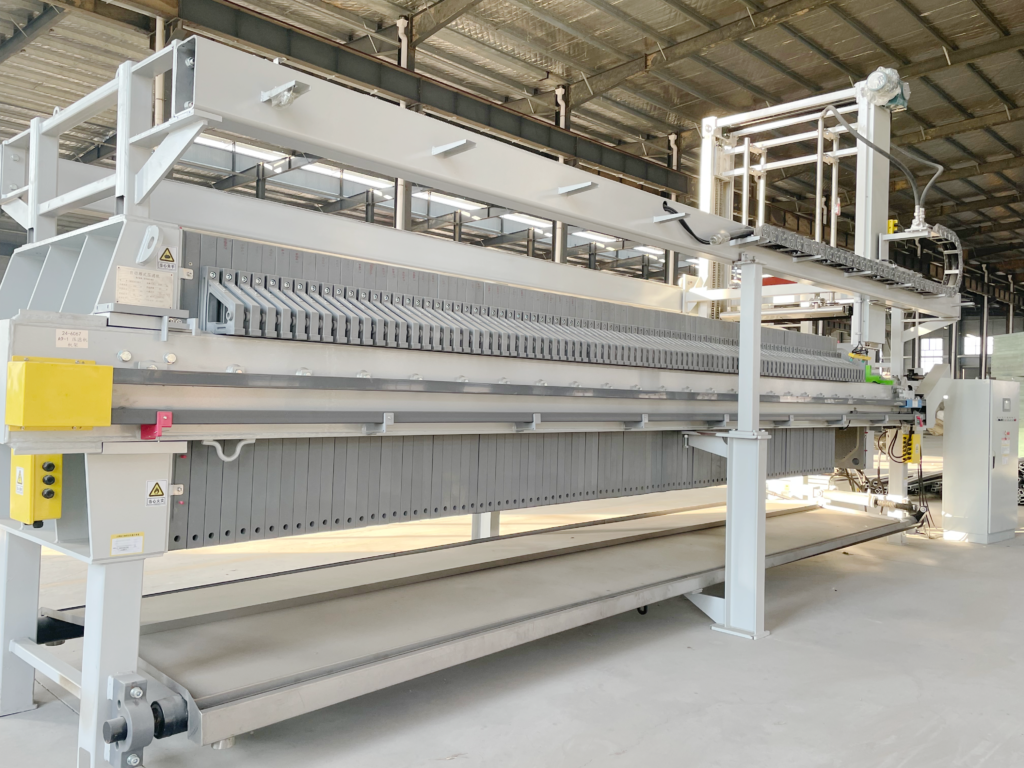
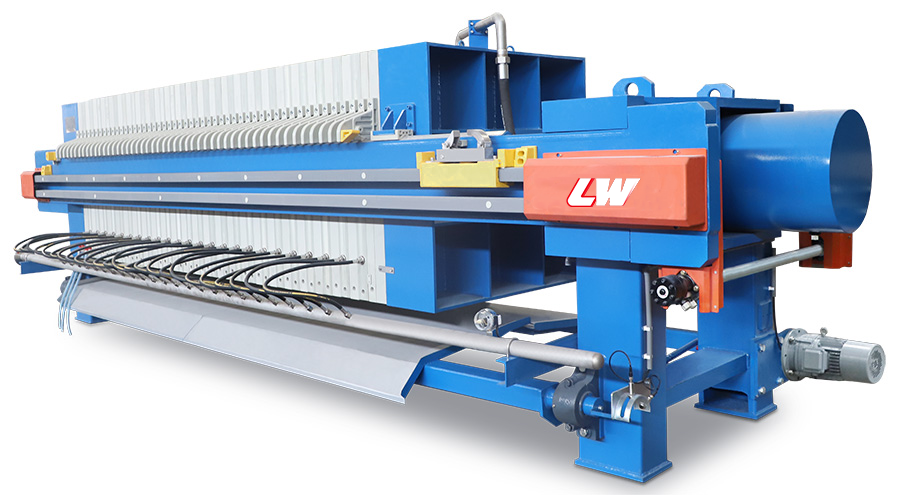 Filter PressesHigh dry cake quality for demanding sludge.View range →
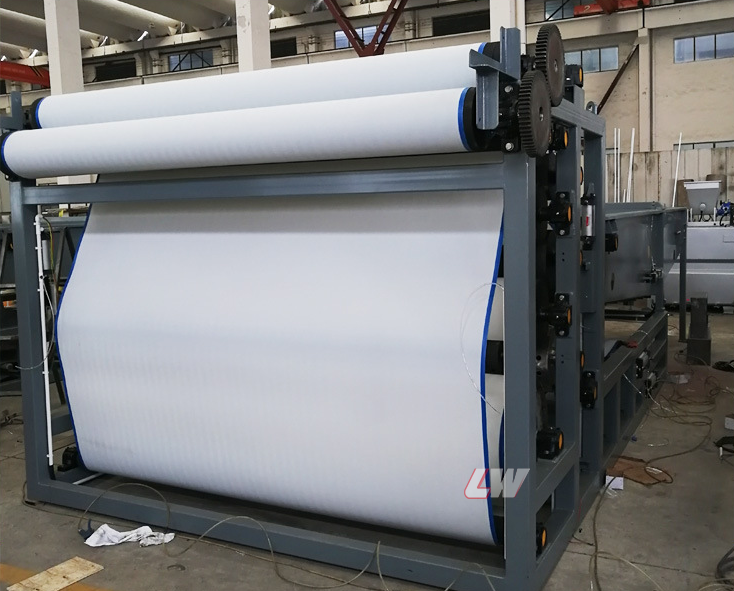
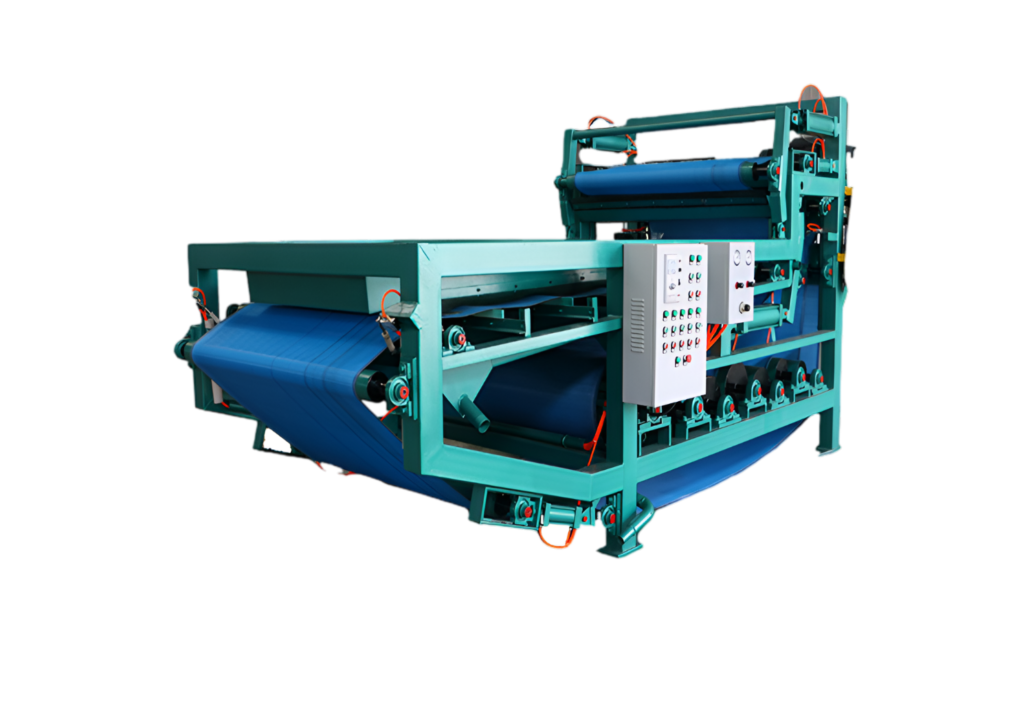 Belt Filter PressesContinuous dewatering at scale.View range →
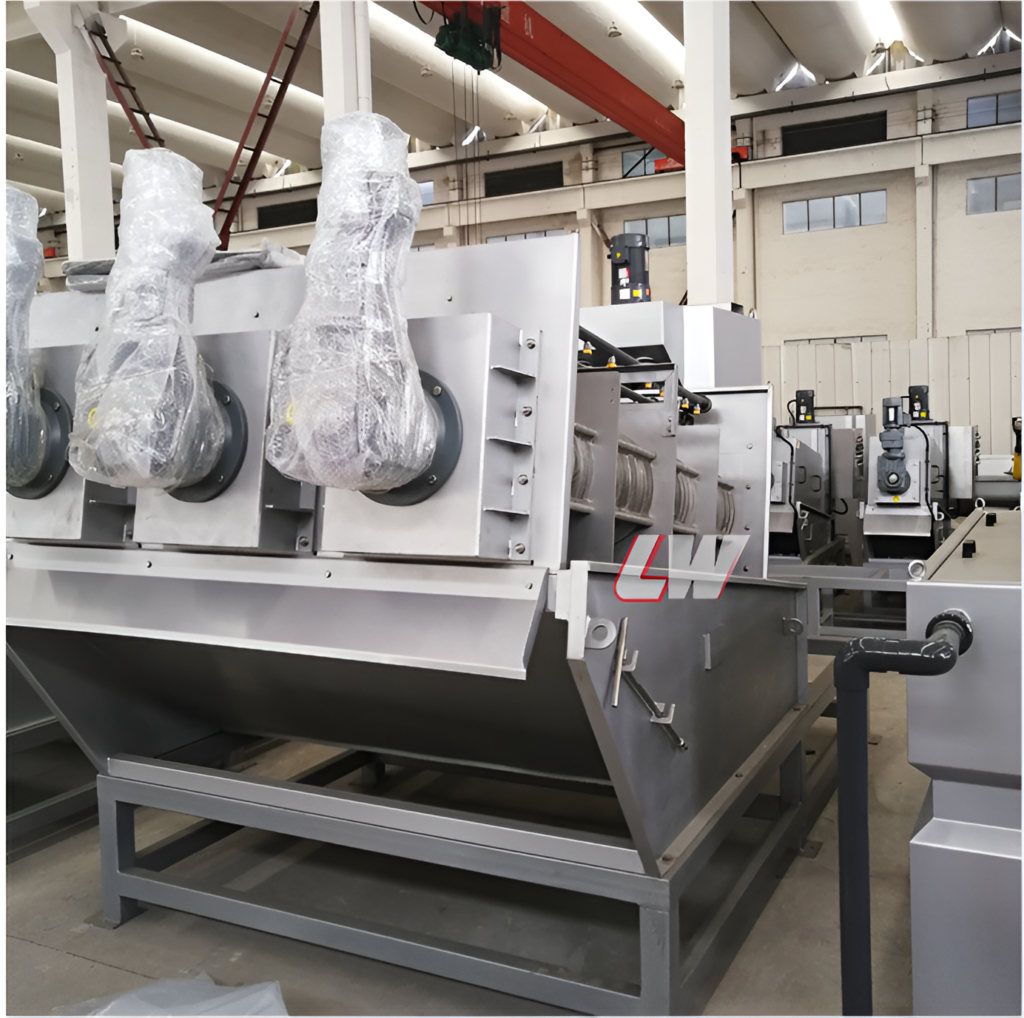
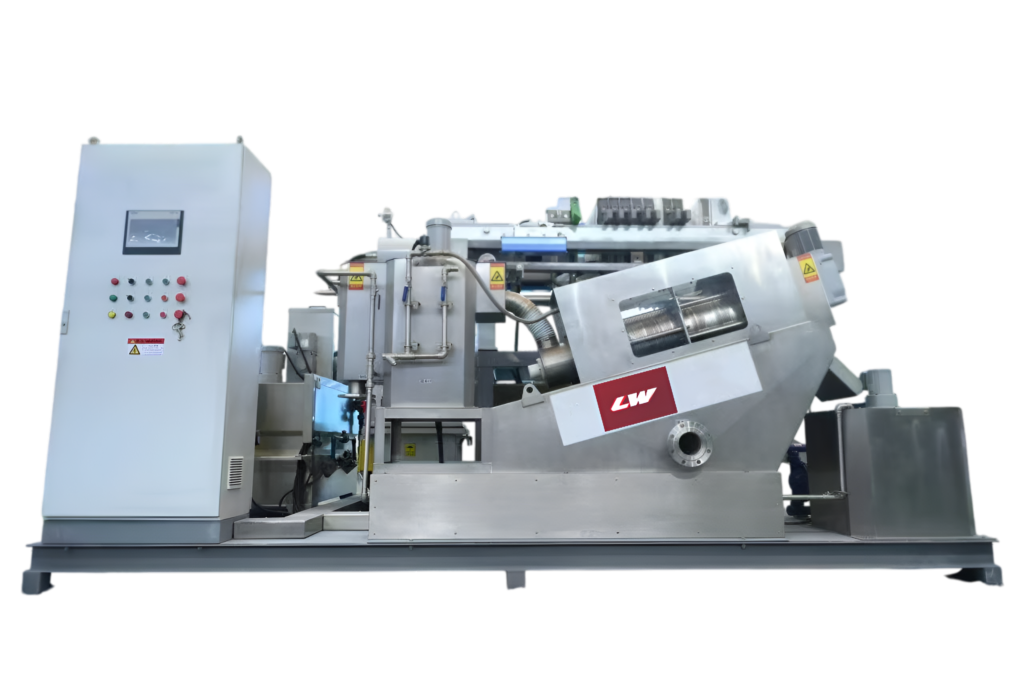 Screw PressesLow-maintenance continuous dewatering.View range →
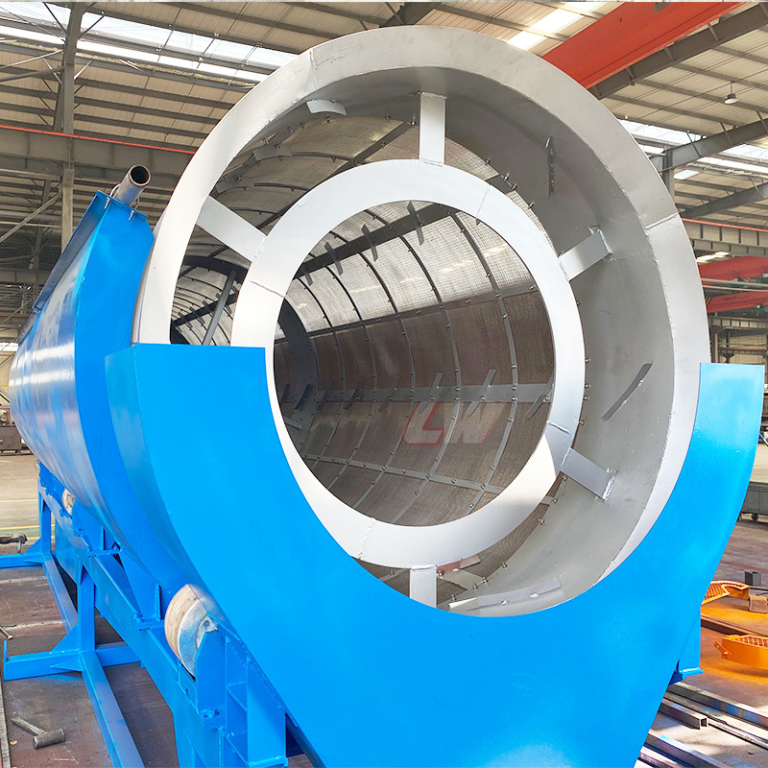
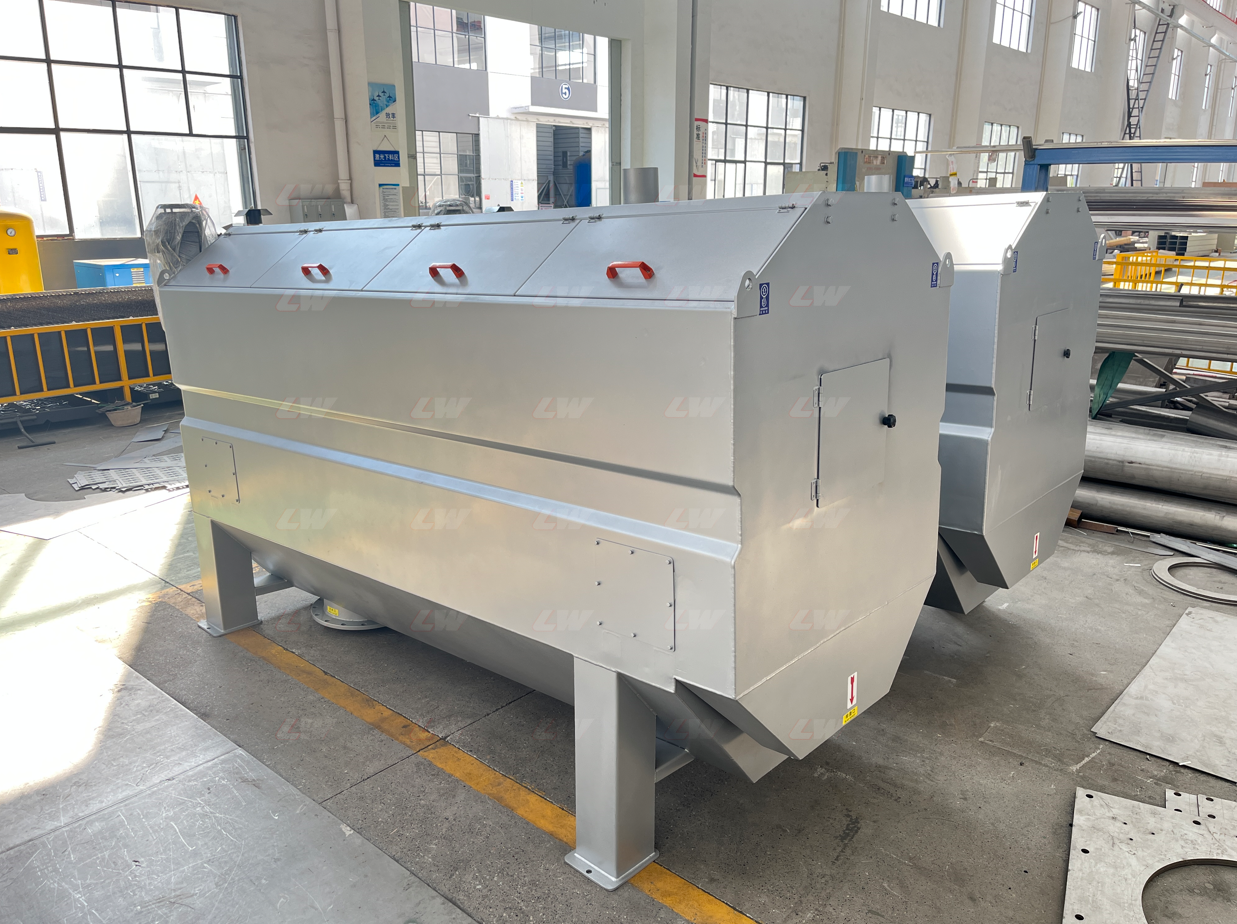 Rotary Drum FiltersFine-solids removal and thickening.View range →
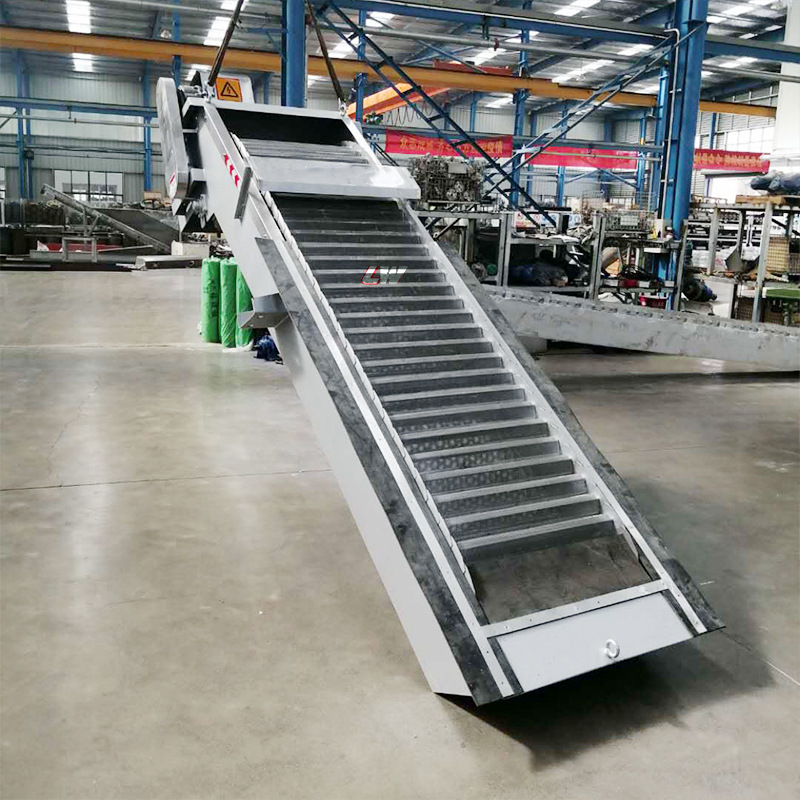 Mechanical ScreeningRags and coarse-solids protection.View range →
Behind the comparison
One Factory, Five Machine Families
The machines in the table above are built by the same engineers under one roof — fabricated, assembled and shop-tested before export packing.
Selection FAQ
Technology Selection Questions, Answered
Which technology produces the driest cake?
Can a screw press handle very thin sludge?
How do I choose between batch and continuous dewatering?
I have oily or chemical sludge — will a press block?
Do I need a sludge test before buying?
What if I am still not sure?
Still comparing?
Send Us Your Sludge Data — Get Two Technologies Shortlisted
Flow, solids content, disposal target. A Loway engineer replies with a shortlist, the reasoning behind it, and the next step to validate it on your sample.