

Filter Press Cloth: Selection, Specification and Replacement
- StructuresMonofilament · multifilament · non-woven
- PolymersPP · PET · PA · PVA
- MountingBarrel neck · CGR · overhang
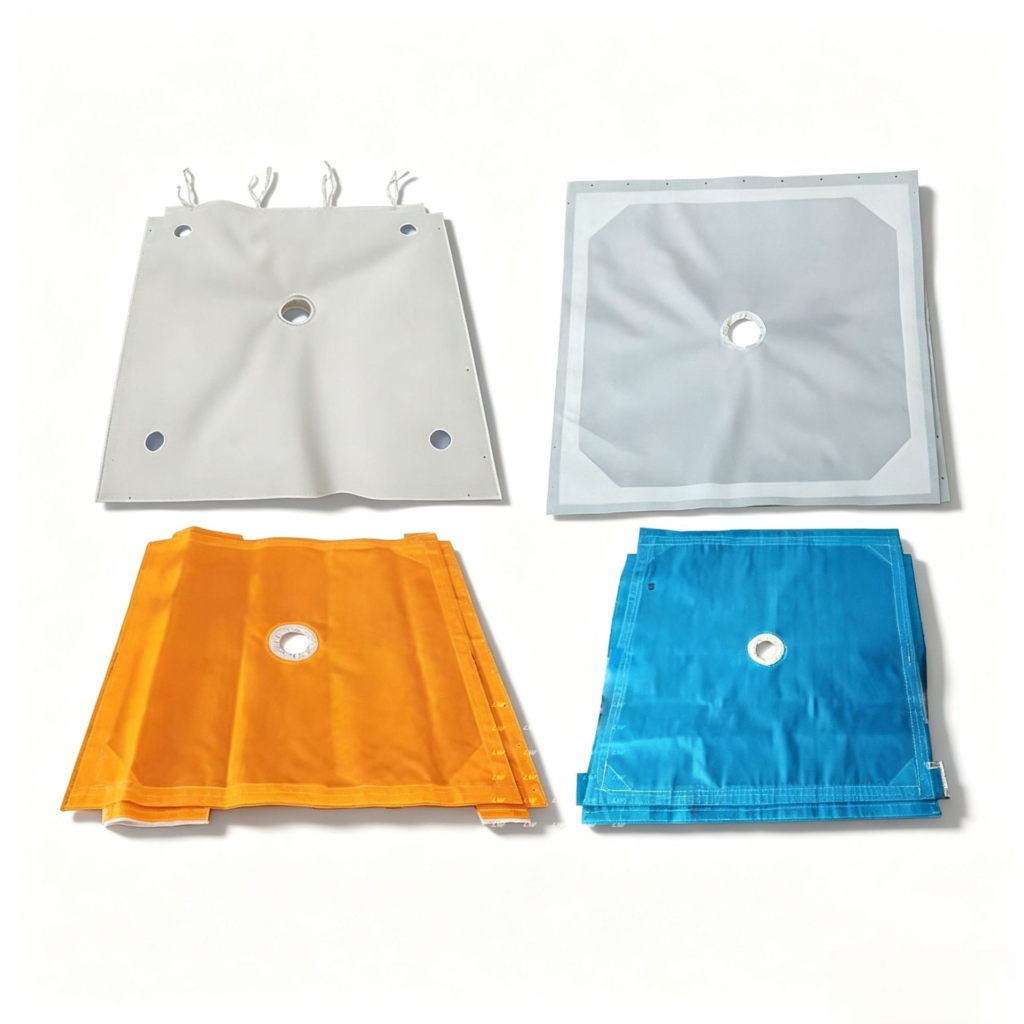
Start with the yarn structure, not the material name
A filter press cloth does two jobs at once. It holds the solids in the chamber while filtrate passes through, and it seals the edge of each plate so slurry cannot bypass the medium. When either job fails, the symptom is specific: cloudy filtrate, a cake that sticks, a seam that leaks, or a cloth that blinds within a few weeks.
We weave and finish cloth for chamber, membrane and plate-and-frame presses, cut to your plate drawing. This page explains how to choose the structure and the polymer, how to measure for a replacement, and what information we need to confirm a specification.
Structure decides how the cloth behaves during the cycle. The polymer decides how long it survives.
- Monofilament — single extruded filaments. Fast drainage, clean cake release, the best resistance to blinding. Lowest filtrate clarity. First choice for sticky sludge and high-throughput tailings.
- Multifilament — twisted bundles of fine filaments. Traps fine particles and gives the clearest filtrate, but blinds sooner. Used where clarity matters more than cycle time.
- Mono-multi composite — monofilament warp, multifilament weft. A middle point: drainage from one direction, retention from the other.
- Non-woven / needle felt — no woven pore. Depth filtration down to about 1 µm, with a higher pressure drop and more careful cleaning.
How the weave is built
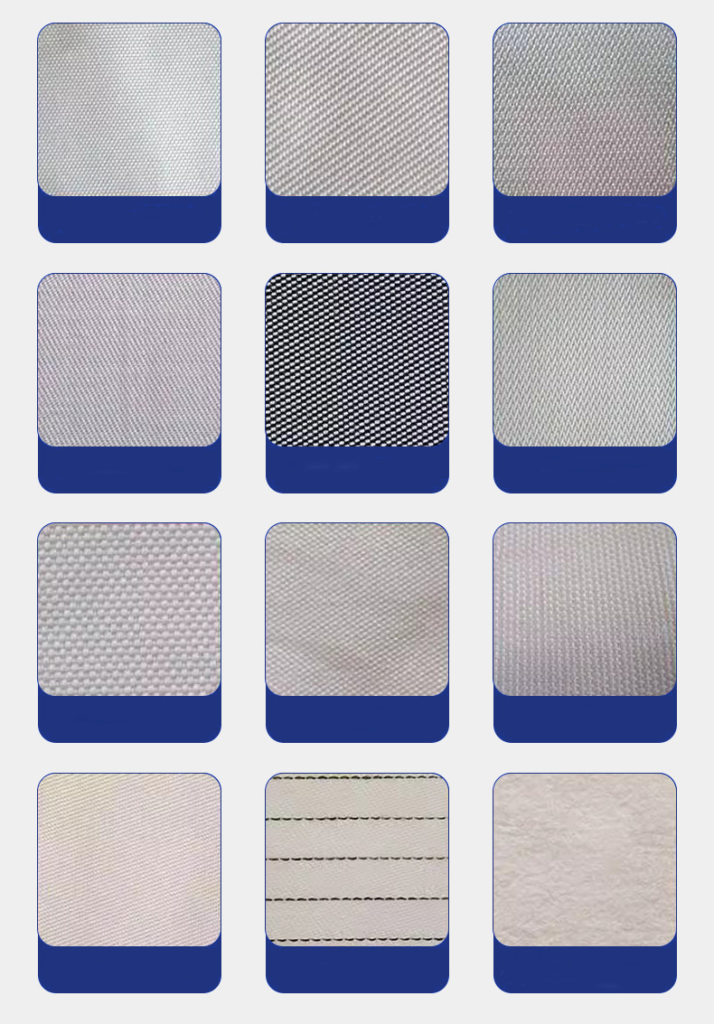
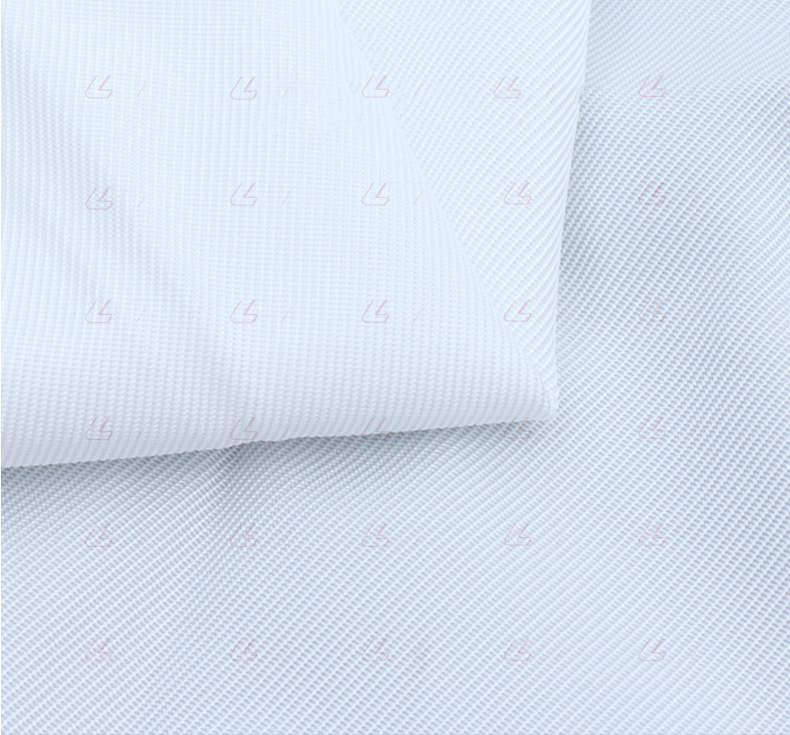
Three weave patterns cover almost every filter press cloth. The same polymer at the same micron rating behaves differently in each, because the weave decides how much yarn sits at the surface and how the pores are shaped.
- Plain weave — each warp thread passes over and under every weft. Square, rigid pores and the highest mechanical stability; the best retention for a given yarn. Particles lodge at the intersections sooner, so it blinds first on sticky cakes.
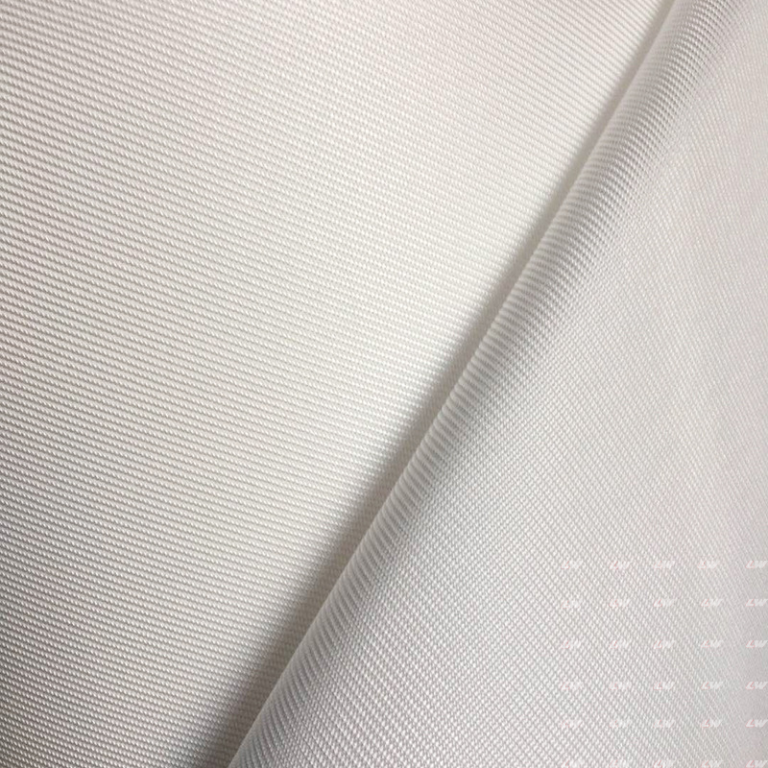
- Twill weave — a 2/2 diagonal that packs more yarn into the same area. Tighter ratings are reachable at the same yarn size, the surface is smoother, and the cloth drapes better over plate recesses. The usual choice for finer duty.
- Satin weave — long floating yarns give the smoothest face of the three. Best cake release and easiest washing, at some cost in rigidity; specified where the cake sticks and fast discharge matters.
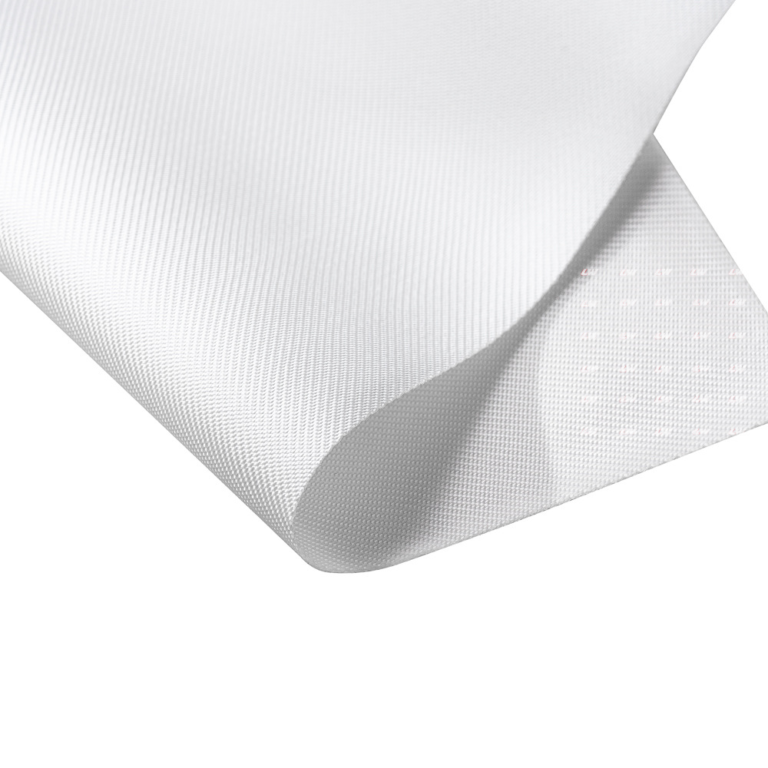
The range at a glance
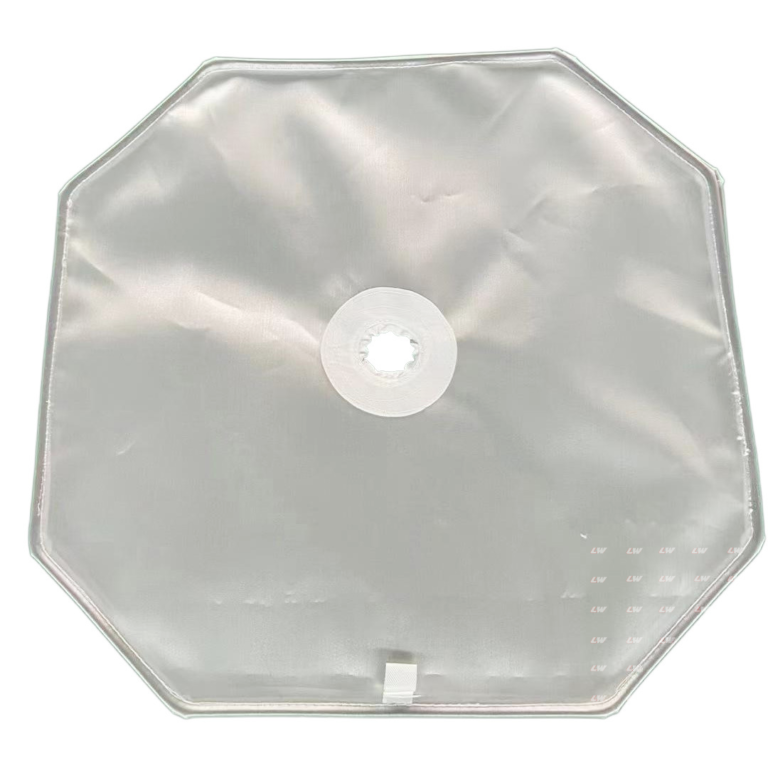
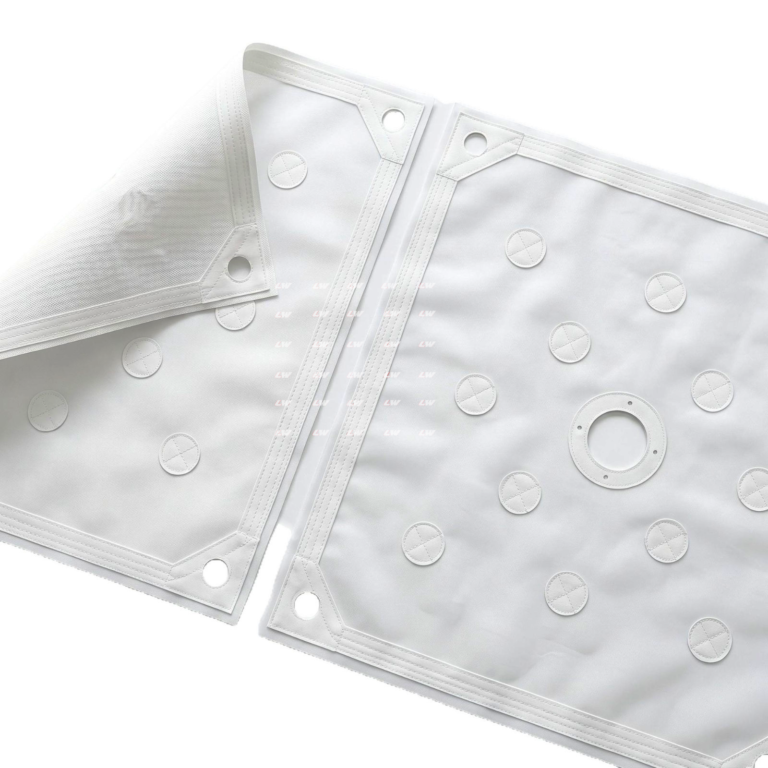
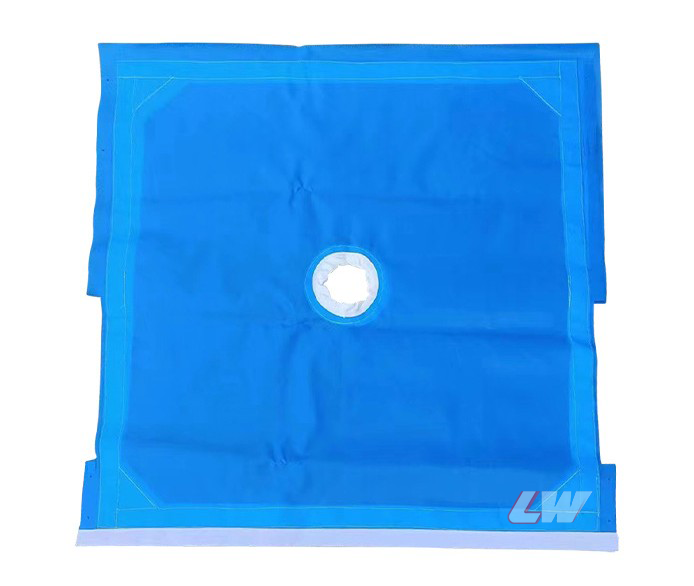
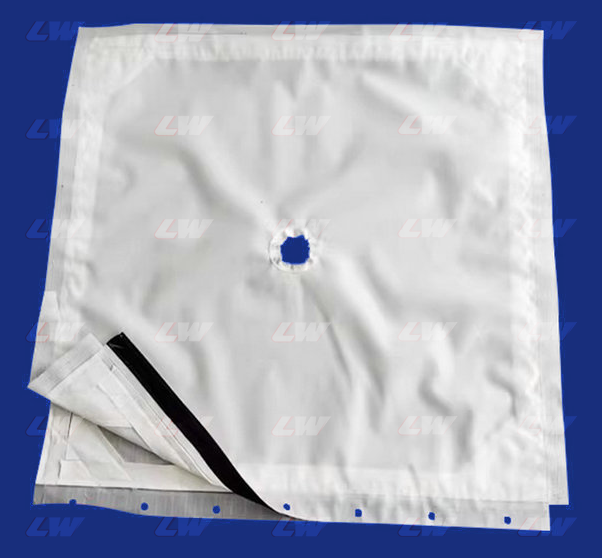
Then choose the polymer
Temperature is where most wrong selections happen. Polypropylene is the cheapest and most chemically tolerant cloth we make, and it is also the one most often run too hot. Above 90 °C it softens and creeps, the pore structure stretches, and clarity drops before the cloth visibly fails.
Match the cloth to the press, not only to the slurry
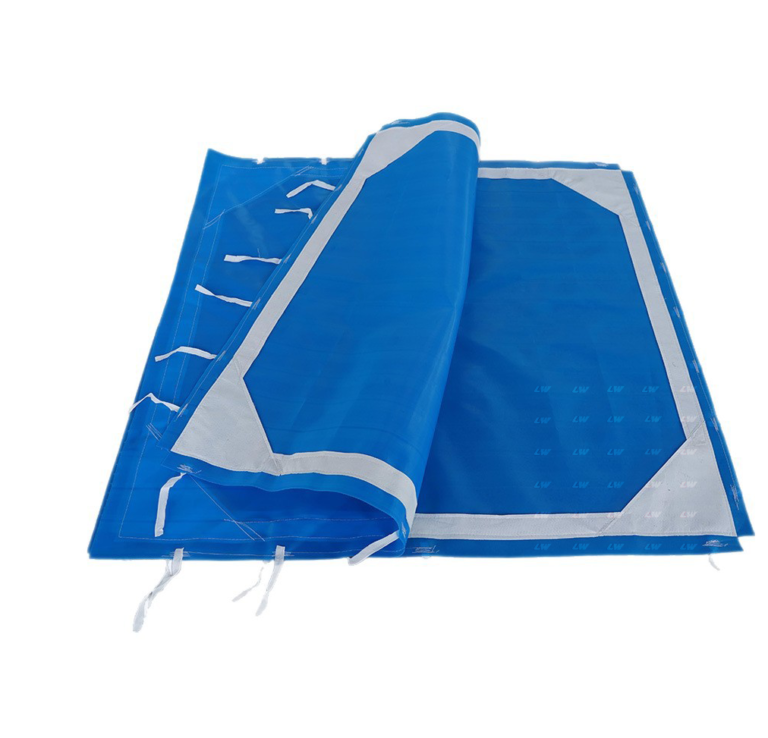
Chamber and membrane presses need a cloth that seals around the feed hole and stays flat as the plates close. Plate-and-frame presses often use simpler overhang cloths. Three mounting styles cover most machines:
- Barrel neck — two cloths joined by a fabric or rubberised neck. The neck seals the feed opening, so slurry cannot pass between the cloth and the plate.
- CGR / gasketed — a cord sewn into the cloth edge is pressed into a groove on the plate. The seal sits against the plate itself rather than relying on clamping force.
- Overhang / butterfly — separate cloths tied or strapped together. Simple and inexpensive, common on older manual presses.

How to measure for a replacement
Measure the plate, never the old cloth. Used cloth shrinks and stretches around the feed hole, so a cloth copied from a worn one will not seat correctly. A photograph of the plate with a tape measure in place usually saves a round of questions.
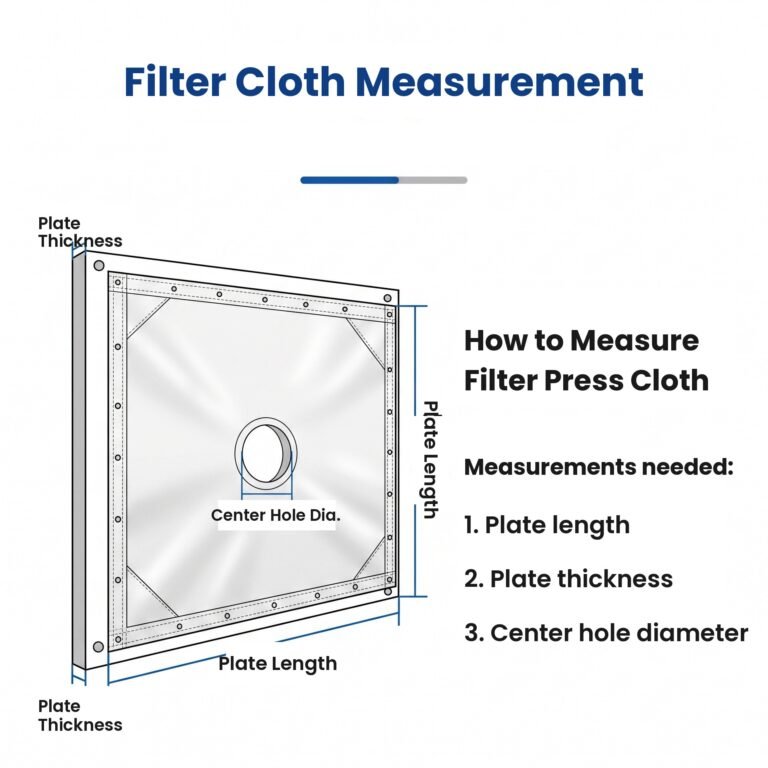
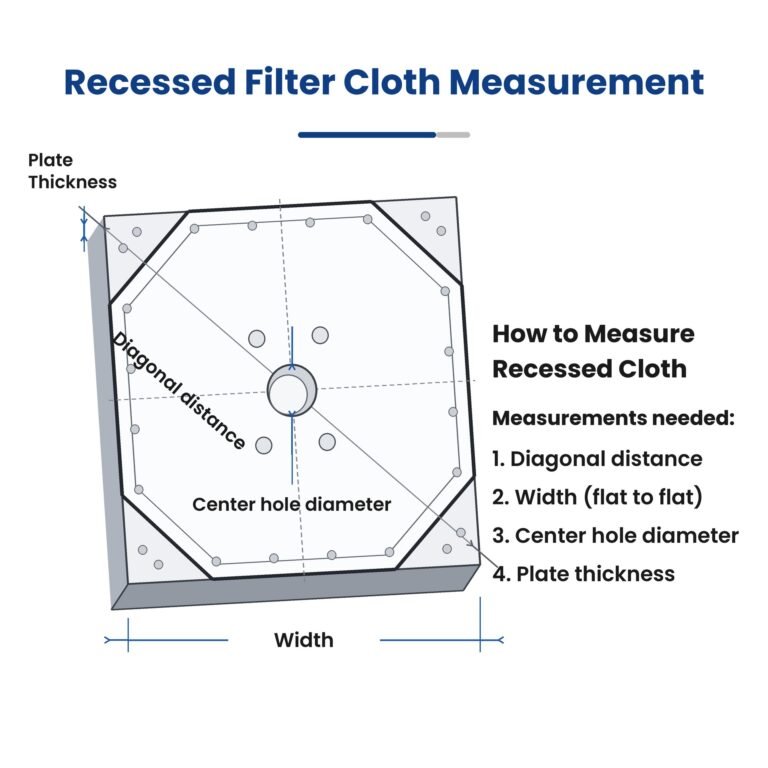
- Plate dimensions — length and width across the sealing face, not the outer frame
- Chamber or recess depth — measured on the plate, not estimated from the old cloth
- Feed hole — diameter and position, measured from two fixed edges
- Overhang and flap size — in millimetres, and which side carries the flap
- Edge finish — stitched, welded, bonded or reinforced
Finishing: heat setting and calendering
Heat setting holds the finished cloth at a controlled temperature before it is cut, so the weave relaxes and locks in advance. A heat-set cloth keeps its dimensions under clamping force; an unset cloth shrinks during the first hot cycles and pulls at the feed hole. On replacement cloth this matters more than on the first set, because a shrunk cloth is usually blamed on the measurement, not the finishing.
Calendering passes the cloth between heated rollers to flatten the yarn crowns at the surface. The result is a smoother face, a slightly tighter apparent pore and easier cake release. It is optional: coarse, fast-draining duty usually skips it, while fine or sticky duty benefits from it.
What a micron rating actually means
A micron rating describes the pore opening of the clean cloth, measured by bubble point on the finished fabric — not the size of particle the filtrate will contain from the first second. A filter press cloth does its fine filtering through the cake it forms: particles bridge across the pore mouths, and from then on the cake, not the cloth, sets the retention.
That is why the first seconds of filtrate often run cloudy and then clear. On a cloth correctly sized for the slurry this bridging is normal and harmless. Size the rating against the particle size you must retain — the median particle size of the slurry is a reasonable starting point — and let the cake do the fine work.
What drives the price
Cloth is quoted per piece, and the price follows five things: the polymer, the plate size and cut pattern, the weave and target micron rating, the edge and neck work, and the quantity including spares. A finer cloth costs more partly because it is woven slower and partly because it blinds sooner, so the cheaper piece is not always the cheaper year. We quote against your plate drawing rather than a catalogue size.
How long a cloth lasts
Service life depends on duty more than on brand. Abrasive tailings with frequent cycling wear a cloth faster than a once-a-shift polishing duty. Judge replacement by behaviour, not by calendar.
Keeping one spare set per press avoids a shutdown waiting on a shipment.
- Rising filtrate turbidity — fines are starting to pass the weave
- Cake no longer releases cleanly — the surface has glazed or blinded
- Pressure climbs earlier in the fill — the cake is holding water
- Visible thinning at the feed hole — the cloth is wearing through at its weakest point

When the filtrate turns cloudy
Timing tells you which problem you have. Cloudy for the first seconds and then clear is normal bridging. Cloudy from start to finish means the pore is too open for the particle size, or the cake cannot form. A cloudy burst mid-cycle points at a cracking cake or a feed pressure spike. A cloth that ran clear for weeks and then turned cloudy is worn or blinded — the rating has not changed, the cloth has.
Before changing the cloth, rule out the mechanical causes: a damaged seam, a misaligned plate, a torn feed-hole collar, or slurry bypassing at the plate edge. All four produce the same symptom on a correctly specified cloth, and none of them is fixed by a tighter weave.
Polymer Selection at a Glance
| Material | Continuous temp. | pH window | Abrasion | Fits |
|---|---|---|---|---|
| Polypropylene (PP) | 90 °C | 1–14 | Good | Most chemical and wastewater duty; the default choice |
| Polyester (PET) | 130 °C | 2–12 | Good | Hot acidic slurry, sugar, edible oil, metallurgy |
| Nylon (PA) | 100 °C | 4–14 | Best | Sharp, angular particles; stone cutting, coal washing |
| Vinylon (PVA) | 100 °C | 7–14 | Fair | Strong alkali only: alumina, caustic, alkaline wastewater |
Ranges are common weaving ranges for this cloth family. The final specification is confirmed against your slurry data and plate drawing.
Cloth Finishing at Loway
Weaving, finishing and cutting are handled in our own workshop, so replacement cloth is cut to your plate drawing rather than to a catalogue size.
Request a Quote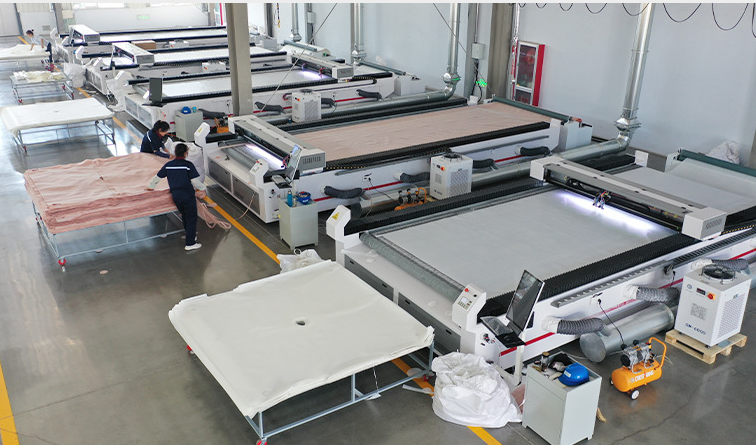
Frequently Asked Questions
How do I know which cloth my press needs?
Send the plate size or a plate drawing, the slurry pH and temperature, the particle size if known, and the cake moisture you are targeting. Those five points narrow the choice to one or two structures.
Can I use the same cloth for different products on one press?
Often yes. A medium-permeability polypropylene monofilament or mono-multi cloth tolerates a wide pH range and releases most cakes cleanly. Switch to a dedicated cloth when one product needs finer retention, higher temperature or a solvent-resistant polymer.
Why did my cloth shrink?
Polypropylene and polyester both relax under heat and clamping pressure, and nylon absorbs water and swells. Cloth cut to the plate's cold dimensions with the correct overhang allowance keeps tension through the cycle; cloth copied from an already-shrunk set does not.
What causes blinding, and how is it prevented?
Blinding is solids packed into the pore throat. It is more common with tight weaves, sticky cakes and insufficient wash water. Moving to a smoother monofilament surface, washing at the right pressure and avoiding over-pressure during fill all slow it down.
Do you supply cloth for other press brands?
Yes. We cut to the plate drawing rather than to a brand, so the same cloth fits imported presses as long as the plate geometry and feed arrangement are known.
Can you supply one set, or is there a minimum order?
One set for a press is a normal order. For larger presses we usually recommend one spare set, because a single torn cloth stops the whole plate pack.
Why is the filtrate cloudy at the start of every cycle?
On a correctly sized cloth the first filtrate carries the particles that are still bridging across the pore mouths. It clears once the cake forms, usually within seconds. If it never clears, the rating is too open — that is the cloth to change.
What is calendered cloth, and do I need it?
Calendering flattens the yarn at the cloth surface, giving a smoother face and a tighter apparent pore. It helps when the cake sticks or the duty is fine. Coarse, fast-draining slurry usually does not need it and drains better without it.
Is the same cloth available heat-set?
Yes, on all woven families. Heat setting is the finishing step that locks the weave against thermal shrinkage; on hot duties or presses that clamp hard, we treat it as standard rather than optional.

Get a Cloth Specification
Send your plate drawing and slurry data — pH, temperature and particle size — and we will confirm the structure and polymer.