

Chamber Filter Plates
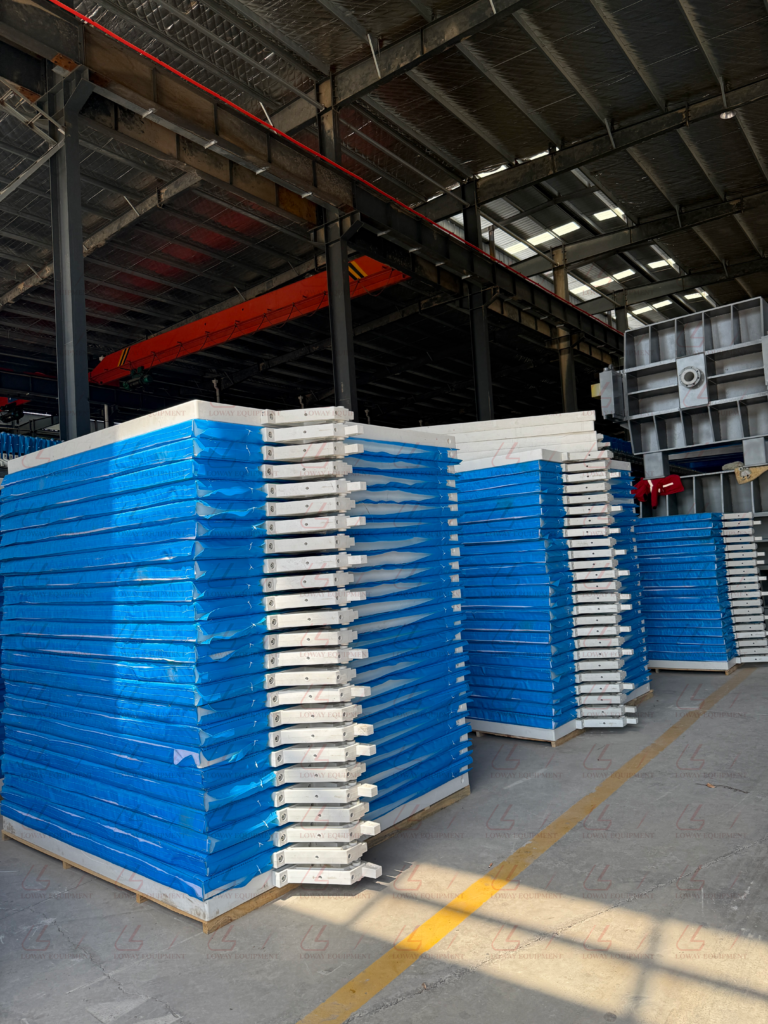
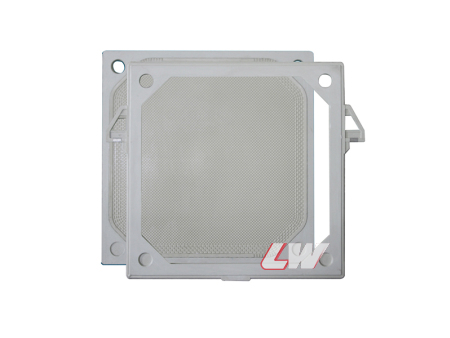
Our chamber filter plates consist of multiple independent filtering units. Each unit is equipped with a high-quality filtering medium such as filter cloth, filter paper, or other porous materials. Housed in a robust, sealed frame, these units maintain a secure, leak-free seal even under high-pressure and high-temperature conditions.
- Material OptionsPP, PVC, SS304/316, cast iron
- Temperature Range-10°C to 120°C (varies by material)
- Pressure ResistanceUp to 25 bar
Key Features
Key Features ✅ Multi-convex reinforced design ensures flat surfaces that prevent material leakage during filtration. ✅ Variable cross-section design with flower-shaped conical point structure reduces filtration resistance. ✅ High temperature and pressure resistance with excellent corrosion and sealing properties. ✅ Fast filtration speed with uniform filter cake washing. ✅ High solid material recovery rate with clear filtrate production. ✅ Simple structure with low failure rate and easy maintenance. Material Selection Chamber filter plates are manufactured from materials selected based on the chemical properties and temperature requirements of the process media. Common materials include: Stainless Steel: Ideal for high temperature and corrosive environments. Polypropylene & Polyvinyl Chloride (PVC): Excellent for applications requiring chemical resistance and durability.
Technical Specifications
| Parameter | Specifications |
|---|---|
| Material Options | PP, PVC, SS304/316, cast iron |
| Temperature Range | -10°C to 120°C (varies by material) |
| Pressure Resistance | Up to 25 bar |
| Filtration Area | 0.5–2.0 m² per plate (customizable) |
| Cake Thickness | 20–50 mm |
Advantages of Chamber Filter Plates
High Efficiency Filtration
Chamber filter plates achieve efficient solid-liquid separation with fast filtration speeds and clear filtrate production.
Easy Maintenance
The design allows for easy disassembly and cleaning, making maintenance simple and straightforward.
Automated Operation
Modern chamber filter plates are typically equipped with automated control systems, enabling unmanned operation.
Durability
High-quality materials and structural design give the filter plates a long service life with low failure rates.
Advanced Technology & Design
Our chamber filter plates incorporate innovative design elements to maximize performance
- Multi-Boss Reinforced Structure: Enhances the structural integrity and durability during high-pressure operations.
- Precision CNC Processing: Ensures flat surfaces and a uniform finish, preventing material leakage during filtration.
- Variable Cross-Sectional Design: Features a tapered, round dot pattern that minimizes filtration resistance, leading to faster processing and a more consistent filtrate flow.
Industry Applications of Chamber Filter Plates
Mining Tailings dewatering, mineral concentrate extraction.
Material Selection Chamber filter plates are manufactured from materials selected based on the chemical properties and temperature requirements of the process media.
Food & Pharma Juice clarification, dairy processing, API purification, sterile filtration.
Food & Pharma Juice clarification, dairy processing, API purification, sterile filtration.
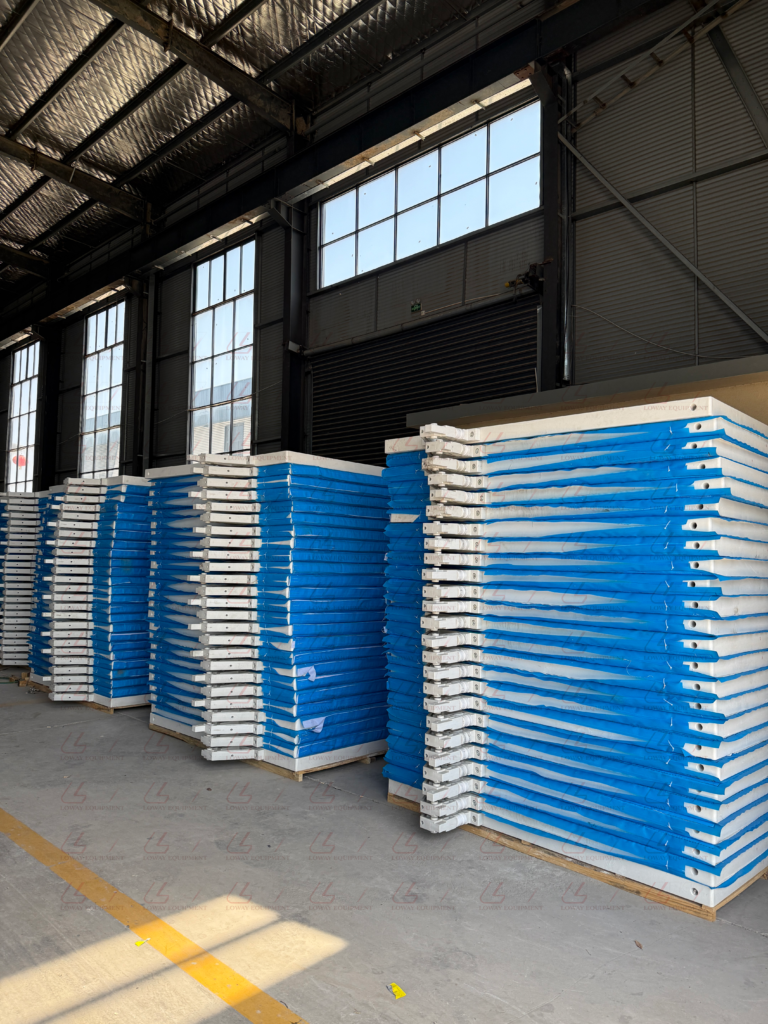
Plate Manufacturing at Loway
Plate packs, cloth fitting and press assembly are handled in our own workshop, so replacements are matched to the drawing or sample you send rather than to a catalogue number.
Request a Quote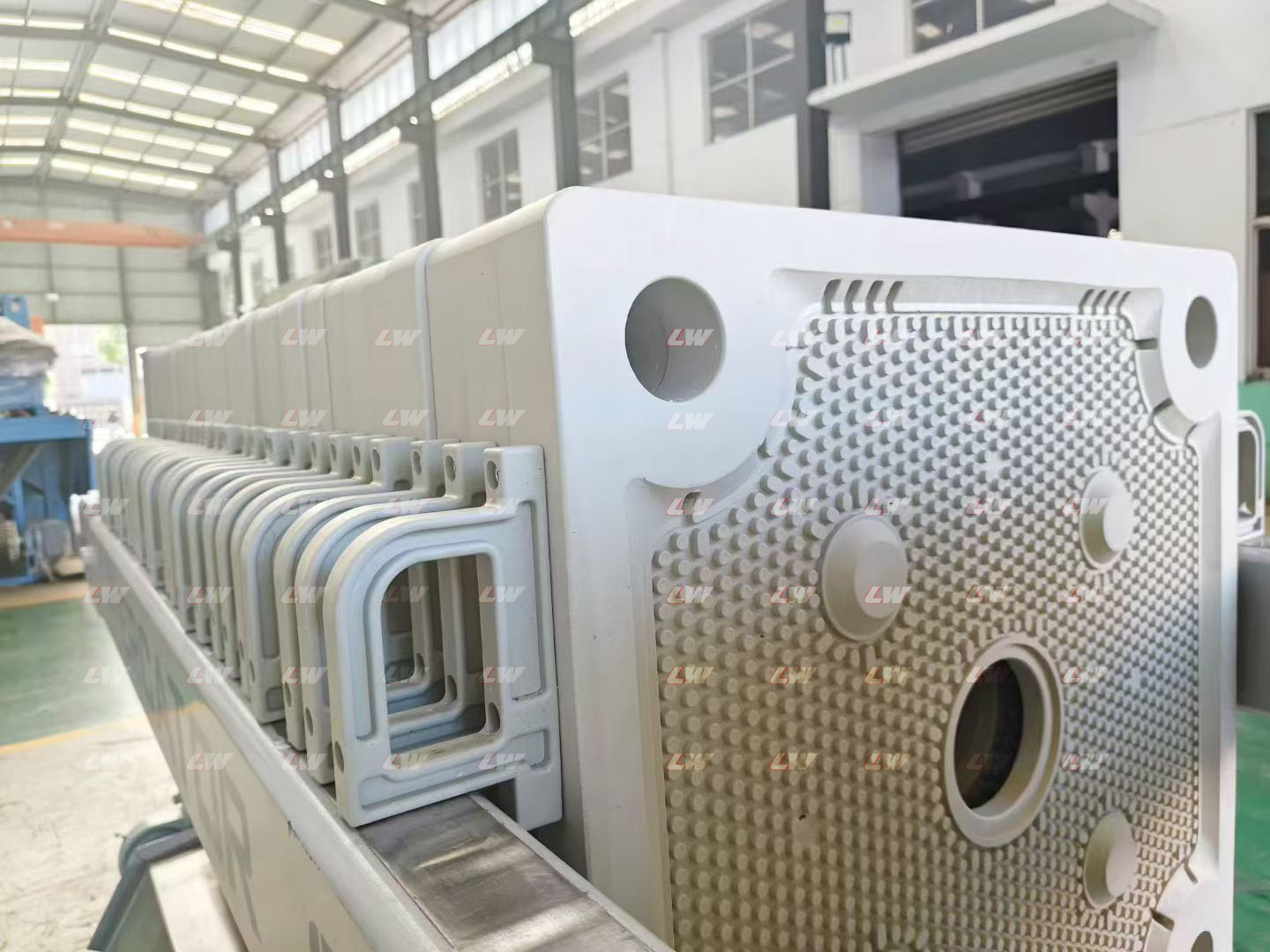
Frequently Asked Questions About Chamber Filter Plates
Q1: How does a chamber filter plate work?
Two recessed plates close together and form a chamber. The feed pump pushes slurry into the chamber, liquid passes through the filter cloth, and solids build up as a cake inside the recess until the pack is opened.
Q2: Which material should I choose?
Polypropylene and PVC cover most chemical duties at moderate temperature. Stainless steel 304/316 or cast iron is the better fit for high-temperature or highly corrosive service. Selection follows the chemical properties and temperature of your process media.
Q3: What pressure and temperature range do they cover?
Chamber plates withstand up to 25 bar, with a working temperature range of -10°C to 120°C depending on the material.
Q4: How thick is the cake in each chamber?
Chamber depth supports cake thickness of 20 to 50 mm. Deeper chambers hold more solids per cycle, while shallower ones discharge faster.
Q5: Which industries use chamber filter plates?
Municipal and industrial wastewater, chemical and catalyst filtration, drilling mud and refinery waste, mining tailings, plus juice, dairy and API processing.



Get a Quote
Contact our team of filtration specialists today to discuss how our filter press solutions can address your specific solid-liquid separation challenges.