

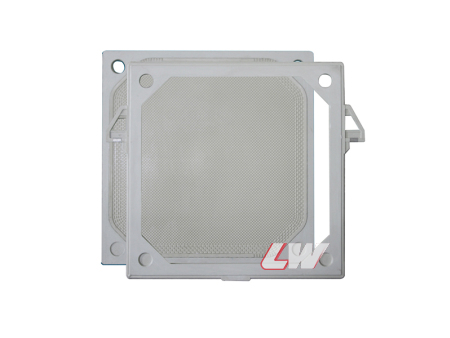
Upper Feed Diaphragm Plates
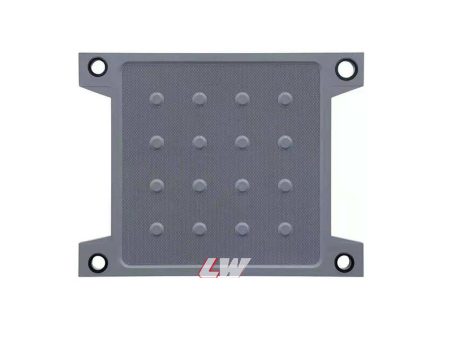
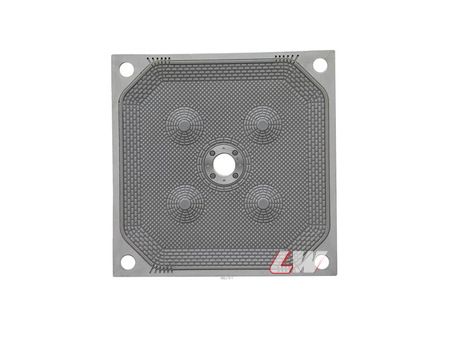
Our upper feed diaphragm plates are uniquely designed to optimize the filtration process. By allowing liquid to enter from the top, these plates ensure an even distribution of feed, reducing localized pressure on the filtration medium. Ideal for industries such as chemicals, food & beverage, pharmaceuticals, and environmental applications, they are engineered to deliver superior dewatering performance while maintaining ease of maintenance and long-term durability.
- Plate Size250mm × 250mm to 2000mm × 2000mm
- Operating Pressure0.6-1.6MPa
- Temperature ResistanceUp to 120°C (depending on membrane material)
Key Features
Innovative Design Top-Entry Feeding System
Liquid enters from the top of the diaphragm plate, promoting even distribution and reducing localized pressure on the filter media Flexible Membrane Structure : The core component is an elastic membrane, typically made of rubber or similar flexible materials, that deforms under pressure to optimize solid-liquid separation Reinforced Framework : Enhanced with a strengthening frame that provides additional structural integrity and stability during high-pressure operations
Material Excellence Membrane Materials
Constructed with chemical-resistant and high-temperature tolerant rubber compounds including natural rubber, nitrile rubber, or EPDM rubber Frame Construction : Typically manufactured from stainless steel or other corrosion-resistant materials to ensure durability in harsh environments Customizable Options : Available in various materials to match specific industry requirements and chemical compatibility needs
Performance Benefits Superior Efficiency
Membrane pressing significantly increases the dewatering rate of solid particles Uniform Distribution : Even liquid distribution across the filter media reduces localized wear and extends operational life Maintenance-Friendly : Designed for easy disassembly and cleaning Exceptional Durability : High-quality materials and structural design ensure reliability and longevity
Technical Specifications
| Parameter | Specification Range |
|---|---|
| Plate Size | 250mm × 250mm to 2000mm × 2000mm |
| Operating Pressure | 0.6-1.6MPa |
| Temperature Resistance | Up to 120°C (depending on membrane material) |
| Filtration Precision | 0.5-100 microns |
| Membrane Thickness | 2-5mm |
| Material Options | PP, PVDF, Stainless Steel, Various Rubber Compounds |
| Service Life | 3-5 years under normal operating conditions |
Material Selection & Technology
High-Performance Elastomers
Typically made from chemically resistant and heat-resistant rubbers, such as natural rubber, nitrile rubber, or specialized synthetic elastomers.
Optimized for Harsh Conditions
Selected for their durability and ability to withstand aggressive industrial environments.
Stainless Steel & Corrosion-Resistant Alloys
Ensure structural integrity and longevity even in corrosive media.
Engineered Precision
The frame design is integral to the plate’s overall performance, providing the necessary support during high-pressure operations.
Maintenance and Care
To ensure optimal performance and longevity of upper feed diaphragm plates
- Regularly inspect membranes for signs of wear, cracking, or damage.
- Clean filter media and membranes after each filtration cycle.
- Implement scheduled backwashing routines.
- Store plates properly when not in use to prevent membrane deformation.
- Replace worn membranes promptly to maintain filtration efficiency.
Industry Applications of Upper Feed Diaphragm Plates
Chemical manufacturing
Food processing
Pharmaceuticals
Environmental applications
Plate Manufacturing at Loway
Plate packs, cloth fitting and press assembly are handled in our own workshop, so replacements are matched to the drawing or sample you send rather than to a catalogue number.
Request a Quote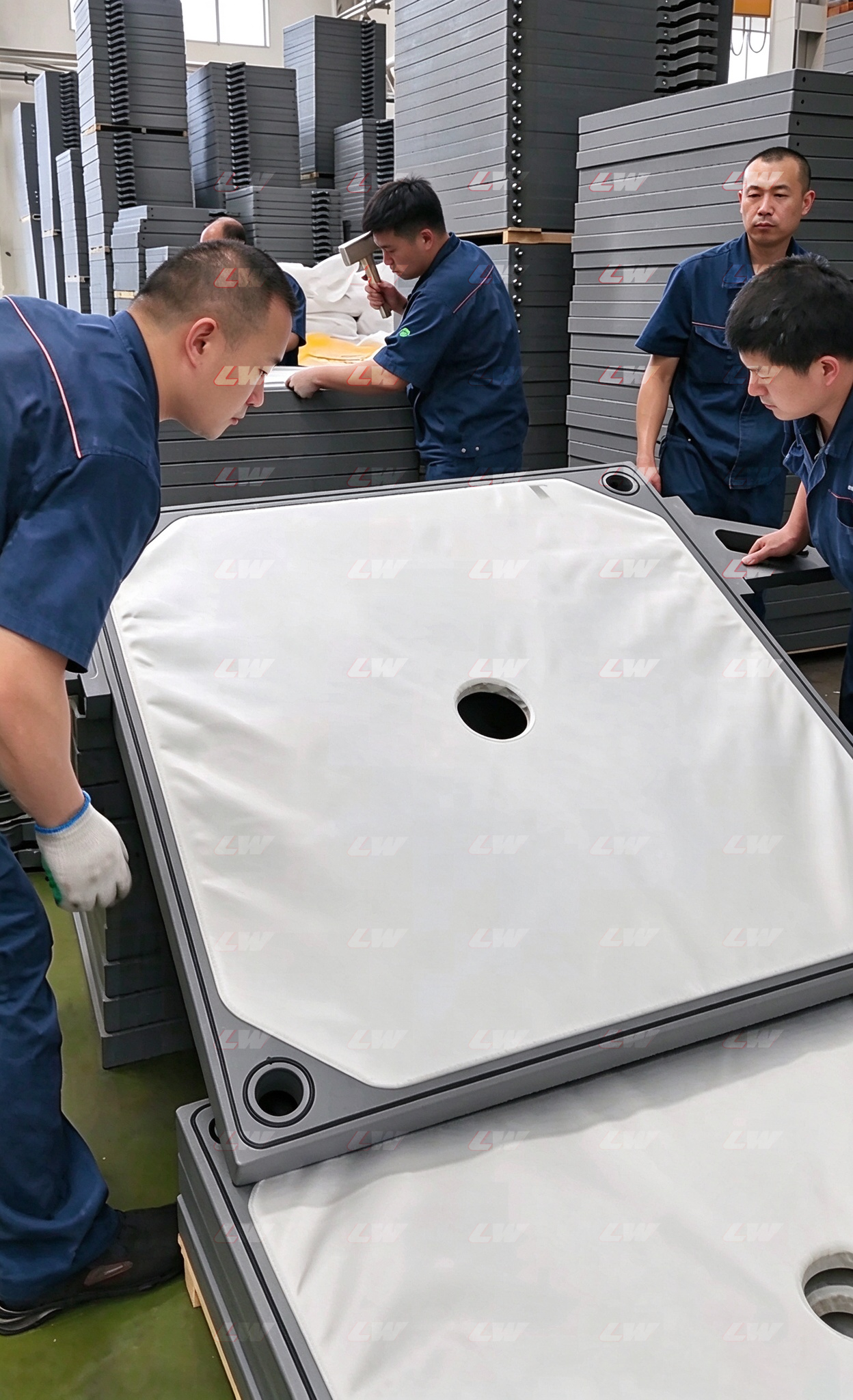
Frequently Asked Questions About Upper Feed Diaphragm Plates
Q1: How does top-feed design improve filtration efficiency?
Gravity-assisted distribution lowers pump energy demand while preventing media clogging.
Q2: What makes upper feed diaphragm plates different from standard filter plates?
Upper feed diaphragm plates feature a top-entry feeding system and flexible membrane that enables additional compression of the filter cake, resulting in higher dewatering efficiency compared to standard plates.
Q3: How often should diaphragm plates be replaced?
Under normal operating conditions, diaphragm plates typically last 3-5 years. However, this can vary depending on the application, operating conditions, and maintenance practices. Regular inspection is recommended to determine replacement timing.
Q4: What cake dryness can be achieved?
85-95% solids content depending on material characteristics and pressure configuration.
Q5: What industries benefit most from upper feed diaphragm plates?
Industries requiring high filtration efficiency, thorough dewatering, and processing of difficult-to-filter materials benefit most, including chemical manufacturing, pharmaceuticals, food processing, and environmental applications.
Q6: What maintenance procedures are critical for extending plate life?
Regular cleaning, proper membrane care, scheduled backwashing, proper storage, and prompt replacement of worn components are essential for maximizing service life.


Get a Quote
Contact our filtration specialists for plates matched to your press and process.