

Quick Opening Filter Press for Fast Plate-Pack Release Between Batches
A Loway recessed-chamber press with a lock-and-release that one operator undoes in 60 to 180 seconds — versus 4 to 6 minutes on a manual chamber build. Hand-wheel, spring-assisted shifter, or powered plate shifter, all on the same Loway frame. Sized for the same mining, metallurgy, chemical, and food lines that ship the standard chamber press today.

Where a Quick Opening Press Fits in the Filter Press FamilyThree release options on the same Loway frame
Loway builds recessed-chamber, membrane, and quick opening presses in the same factory. A quick opening press is a chamber press with a lock-and-release fitted to the plate pack — same plates, same hydraulics, same cloth, with a release mechanism that one operator can undo in under three minutes.
Chamber Filter Press
Recessed PP plates with hydraulic closing. The simplest Loway build. Cake moisture 30–60% (slurry-dependent). Manual pack-open step runs 4 to 6 minutes on a 60-plate rig.
Quick Opening Filter Press
Recessed-chamber build with a lock-and-release on the plate pack. One operator opens the pack in 60 to 180 seconds. Three release options (hand-wheel, spring-assisted, powered) on the same Loway frame.
Membrane Filter Press
Adds a flexible diaphragm behind the plate face. A secondary squeeze step at 1.0–1.6 MPa removes another 10–15% moisture. Longer cycle but drier cake, smaller disposal volume.
Anatomy of the Quick Opening Lock & ReleaseWhat holds the plate pack and what lets it go
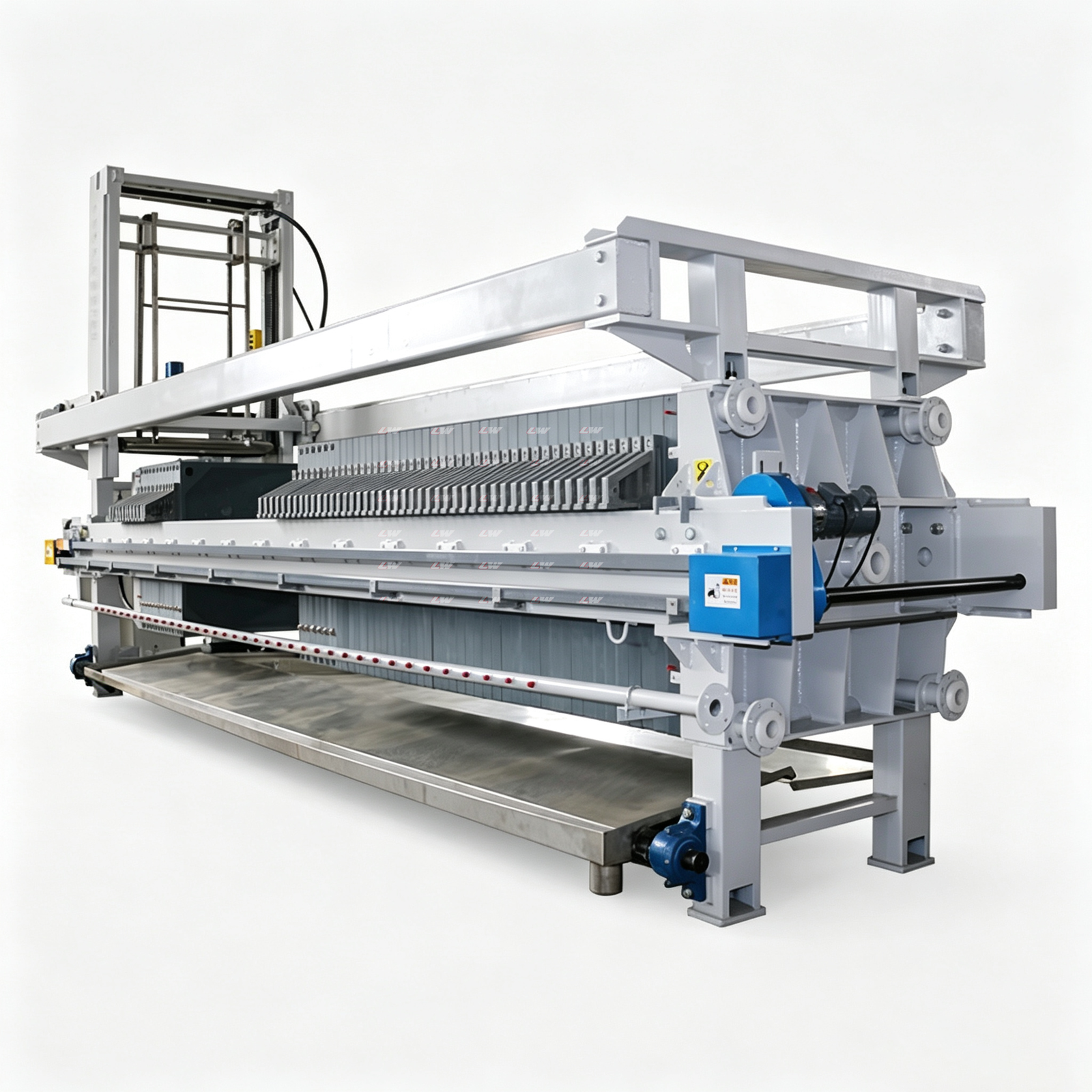
The quick opening release sits on the same frame as the Loway chamber press. The hydraulic cylinder still closes the plate pack for filtration. At the end of a batch, a secondary lock holds the pack against the moving head while the main cylinder retracts; the operator then releases the secondary lock and the pack falls or walks open on its own.
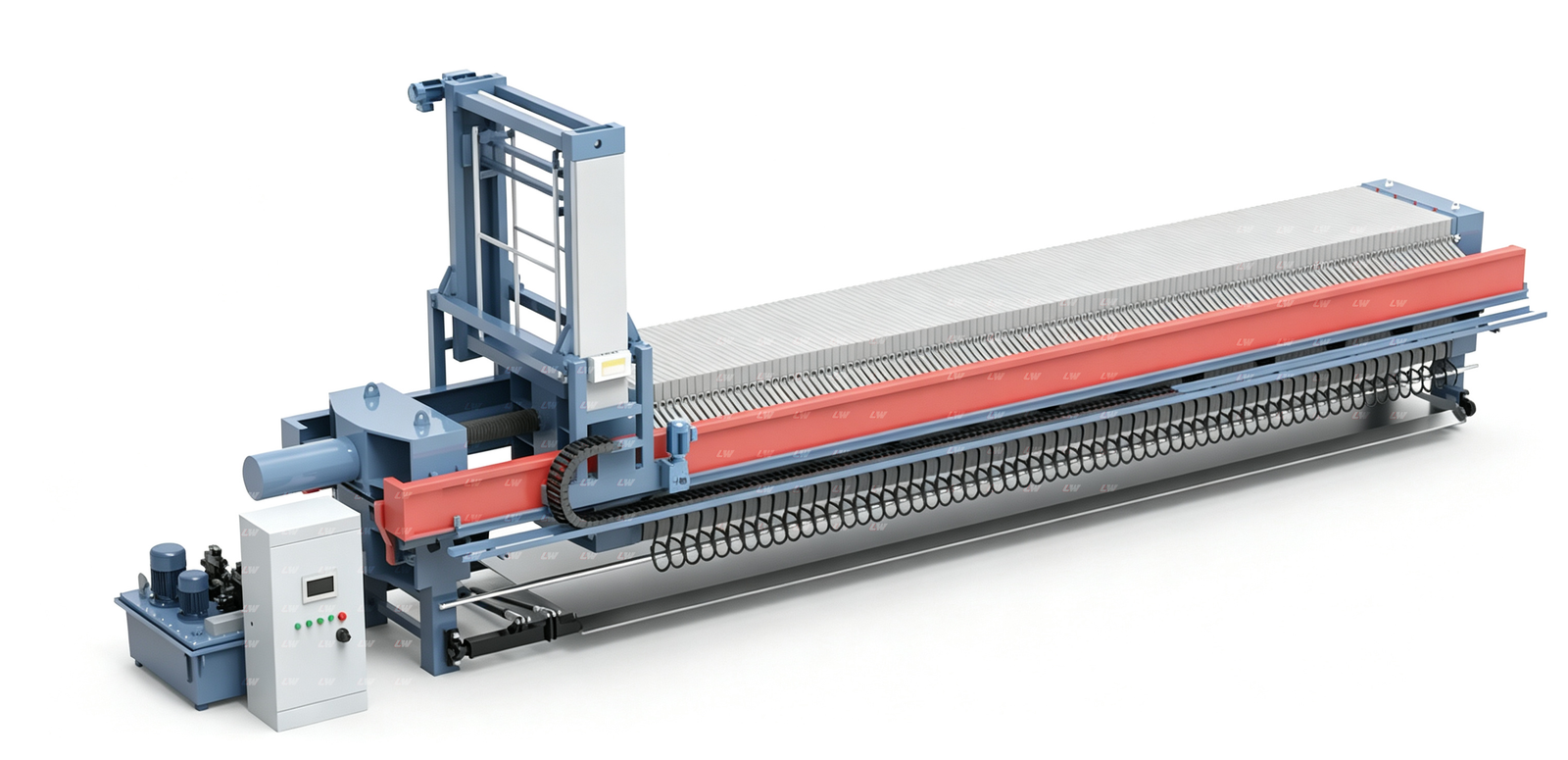
- Lock bracket on the head plateWelded steel bracket carries the secondary lock. Accepts the hand-wheel, shifter arm, or powered cylinder on the same frame.
- Mechanical return springBuilt into the main hydraulic cylinder. As soon as the lock releases, the spring pushes the head plate back 500–600 mm.
- Spring-loaded shifter armSits above the plate pack. Torsion spring pushes each plate forward one at a time as the operator walks the arm across.
- Shifter rail on every plateEach recessed plate ships with a rail groove so the shifter arm catches and walks the plate off the pack without manual pulling.
- Same Loway hydraulics16–22 MPa closing pressure. Automatic pressure keeping on 1500 mm. No new hydraulic components versus a standard chamber press.
- Cloth and pack unchangedPP recessed plates and standard cloths fit a Loway quick opening press exactly as they fit a Loway chamber press.
The Quick Opening AdvantageSame cycle, same cake — the difference is how the pack is let go
Every quick opening press runs the standard Loway chamber cycle up to the end of filtration. The payback sits in the last step: one operator action releases the pack, replacing 4 to 6 minutes of manual pack handling on every single batch.
Pack-open time on a 60-plate rig
| Manual chamber press | 4–6 min |
|---|---|
| Quick opening · hand-wheel | ~180 s |
| Quick opening · spring-assisted | ~90 s |
| Quick opening · powered shifter | ~60 s |
- One operator action A hand-wheel turn, an arm flip, or one button press. The lock lets go and the return spring or shifter walks the pack open.
- 4 to 6 minutes back, every batch Manual chamber builds tie the operator to the pack at open. A quick opening build takes 60 to 180 seconds, so the press turns around while the operator wheels the cart in.
- Nothing else changes on the press Same frame, same hydraulics, same plates and cloths as the Loway chamber press. The release hardware is the only addition, and it carries three service points.
See what quick opening saves on your slurry
Send your plate size and batches per shift — Loway sizes the press, the release mechanism, and the yearly hours back in one quotation.
Request a Quotation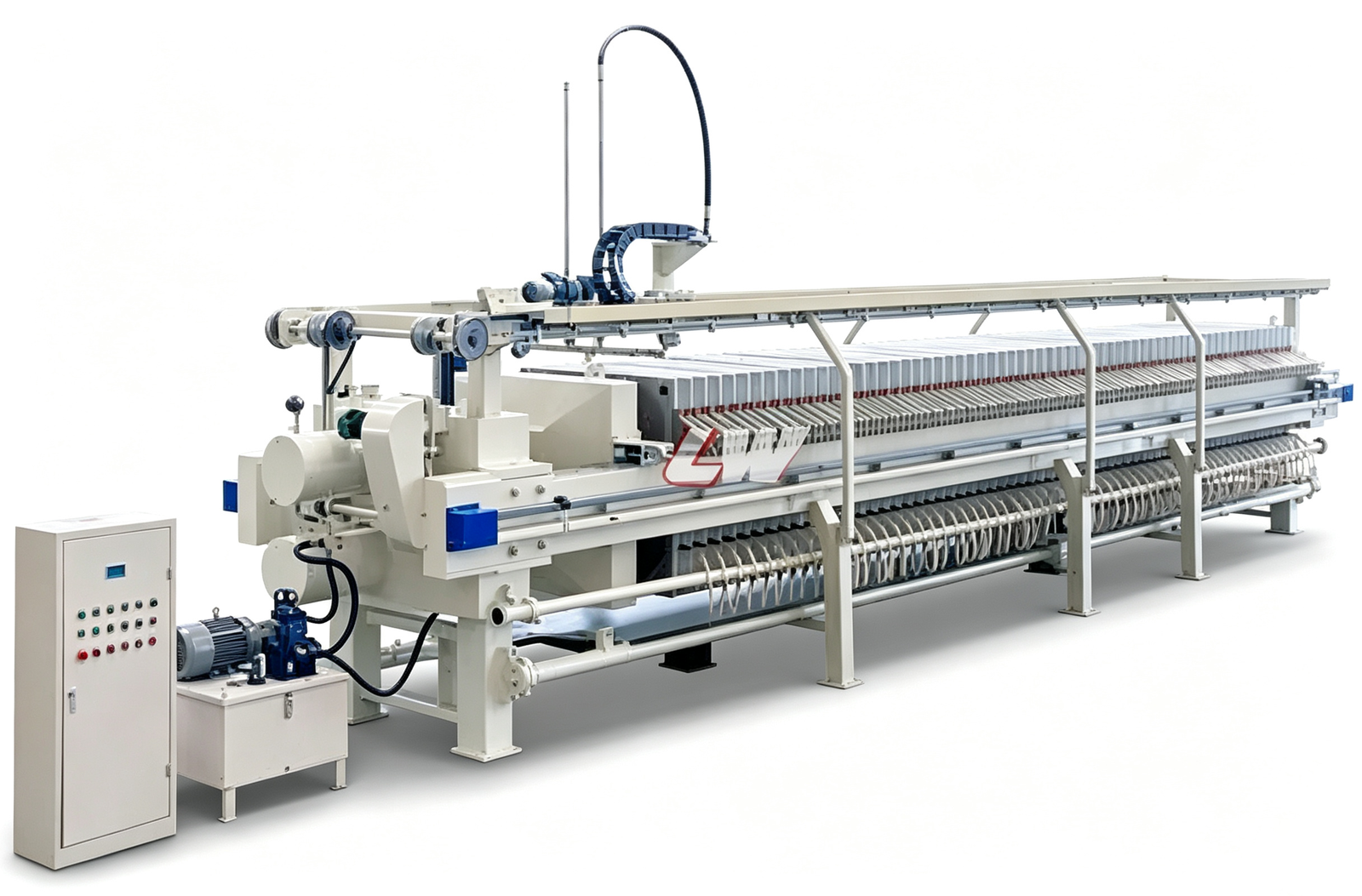
SpecificationsOne table, five plate series — model number equals filtration area
Loway model codes read directly: an XA MYJ14 is a 14 m² machine on the 500 mm series; an XA MYZ400 is 400 m² on the 1500 mm series. Full per-model dimension sheets ship with every quotation.
| Parameter | 500 seriesXA MYJ4–14 | 800 seriesXA MYZ20–80 | 1000 seriesXA MYZ32–120 | 1500 seriesXA MYZ200–600 | 2000 seriesXA MYZ280–700 |
|---|---|---|---|---|---|
| Filtration area | 4–14 m² | 20–80 m² | 32–120 m² | 200–600 m² | 280–700 m² |
| Plate count | 11–36 | 21–81 | 21–73 | 51–150 | 40–100 |
| Plate size | 500 × 500 mm | 800 × 800 mm | 1000 × 1000 mm | 1500 × 1500 mm | 2000 × 2000 mm |
| Plate thickness | 50 mm | 60 mm | 60 mm | 70 mm | 70 mm |
| Pack open time | ~180 s (hand-wheel) | ~90 s (spring) | ~90 s (spring) | ~60 s (powered) | ~60 s (powered) |
| Standard release | Hand-wheel | Spring-assisted shifter | Spring-assisted shifter | Powered shifter | Powered shifter |
| Cake solids | 35–45% — set by the cycle, not the release mechanism | ||||
| Feed solids | 2–8% typical, up to 12% with a high-viscosity feed pump | ||||
| Operators per shift | 1 | ||||
All figures are typical for standard Loway quick opening builds with the standard release fitted to the plate pack. Final numbers depend on plate count, cloth selection, and slurry behaviour. Sizing is confirmed against a bench test on your sample.
What the Saved Minutes Add Up ToOne worked example on the most-quoted build
Open times from the table above, put on a real schedule. Take an 800 series press running three batches per shift, two shifts a day, 300 operating days a year.
With a powered shifter the same schedule gets back about 120 hours a year. Figures use the 60-plate rig open times above — the more batches per shift, the faster the release pays for itself.
Three ways to open the packAll three fit the same frame — pick by plate count and shift pattern
Every quick opening filter press shares the same lock-and-release principle. What changes is how the operator releases it and how far the pack walks open.
Hand-wheel release
Up to 40 plates · 500 mm seriesThe operator turns the wheel, the lock lets go, and the mechanical return spring pulls the head plate back. No electrical supply beyond the main hydraulic pack, and the release works even with the pump offline.
Spring-assisted shifter
Up to 80 plates · 800 / 1000 mm seriesA torsion-spring arm rides above the pack and pushes each plate forward as the lock releases, so one operator only retracts the head and walks the arm across. The most-quoted quick opening build.
Powered plate shifter
Above 80 plates · 1500 / 2000 mm seriesA small auxiliary cylinder drives the head plate and the shifter arm pulls plates off in sequence. The operator presses one button; pack weight does the rest of the argument for itself.
Three habits keep it fastThe release hardware adds three service points — that is all
A quick opening press carries everything a chamber press carries, plus lock, arm, and rail. Grease the three on schedule and the 90-second open stays a 90-second open for years.
Grease the lock mechanism and check spring tension. A dry lock is the number-one cause of a slow open.
Inspect the torsion arm and plate rails for wear; re-torque the arm mounts. Rails are factory-grooved on every plate.
Eye-ball cloths for blinding and edge wear while the pack is open — the quick opening design puts every cloth in reach.
Selection GuideThree questions to size the right quick opening press
Use these three questions to bracket your build. The exact model is confirmed after a bench test on your slurry at the Loway lab — but this gives our engineers a starting point for the quotation.
Plate count drives the press size.
Up to 40 plates on the 500–800 mm series with hand-wheel release. Up to 80 plates on the 800–1000 mm series with spring-assisted shifter. Above 80 plates, the 1000–2000 mm series with powered shifter.
Cycle cadence drives the release choice.
For one to three batches per shift, hand-wheel covers the cycle. For three or more batches per shift or for mid-cycle cloth wash between batches, spring-assisted shifter cuts open time in half. For continuous duty or short-cycle service, powered shifter drops open time to one minute.
One operator covers the full shift on every build.
Hand-wheel release fits a single operator on small packs. Powered shifter fits a single operator on the heaviest packs. Spring-assisted shifter fits a single operator on the mid-range. All three builds are designed for one operator at the press.
ApplicationsIndustries and slurries where a quick opening press earns its keep
A quick opening press fits anywhere the operator needs the pack open between batches — short batches, mid-cycle cloth wash, cake sampling, plate inspection. The release mechanism does not change the dewatering chemistry; it cuts the open-and-reset step at the end of every cycle.
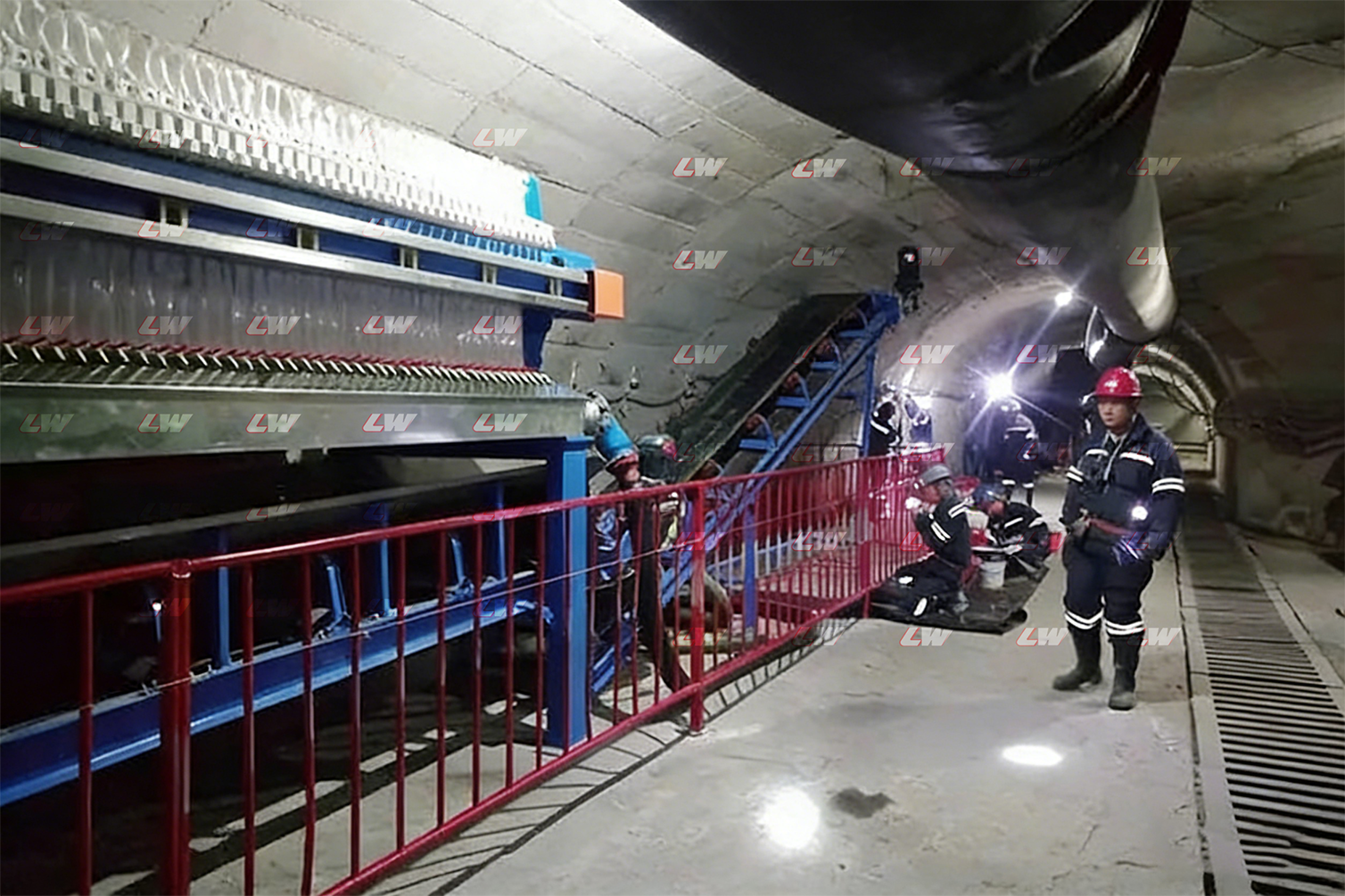
Mining & tailings
Concentrate, tailings, and backfill dewatering where mid-cycle plate inspection is part of the routine. Powered shifter common above 80 plates.
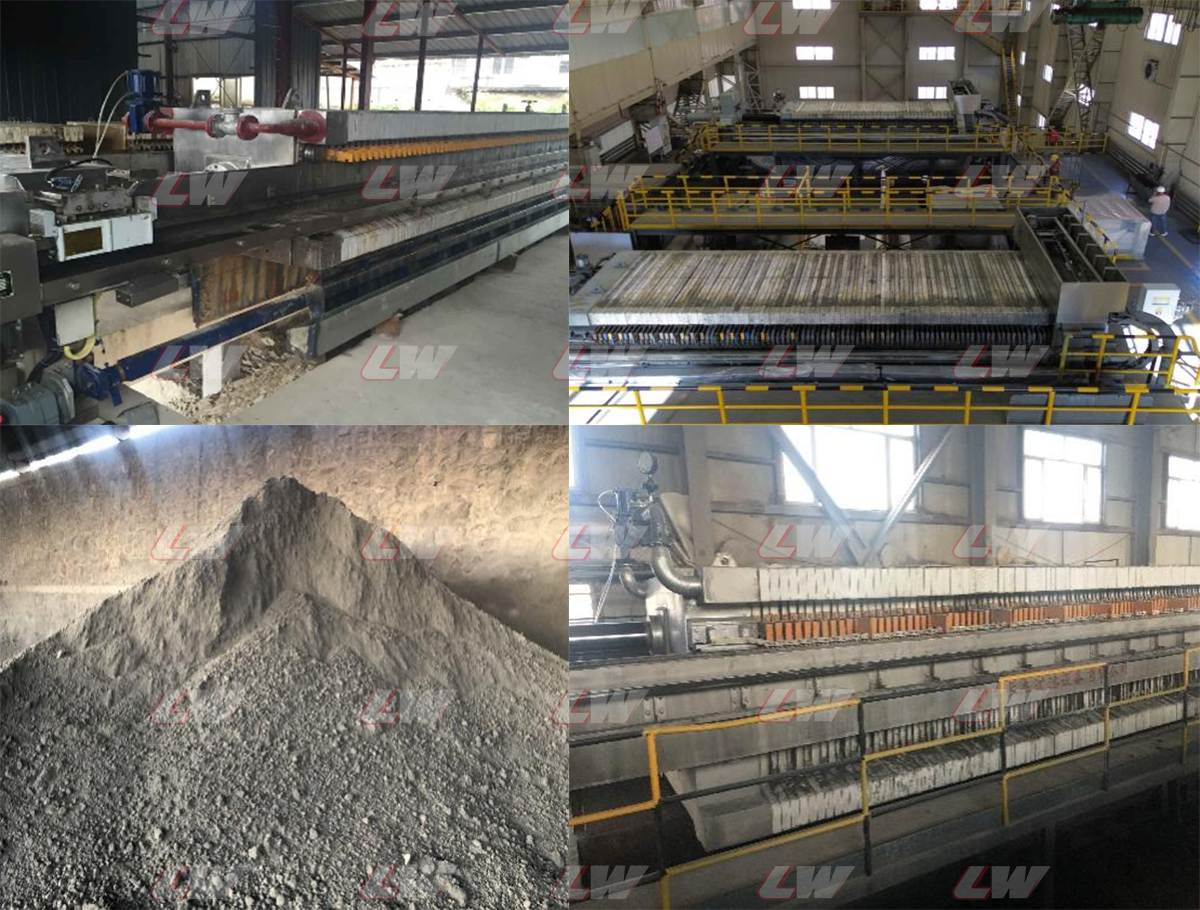
Metallurgy & minerals
Lithium carbonate, copper-molybdenum concentrate, and other hydrometallurgy residues. Cloth wash between batches is standard practice.
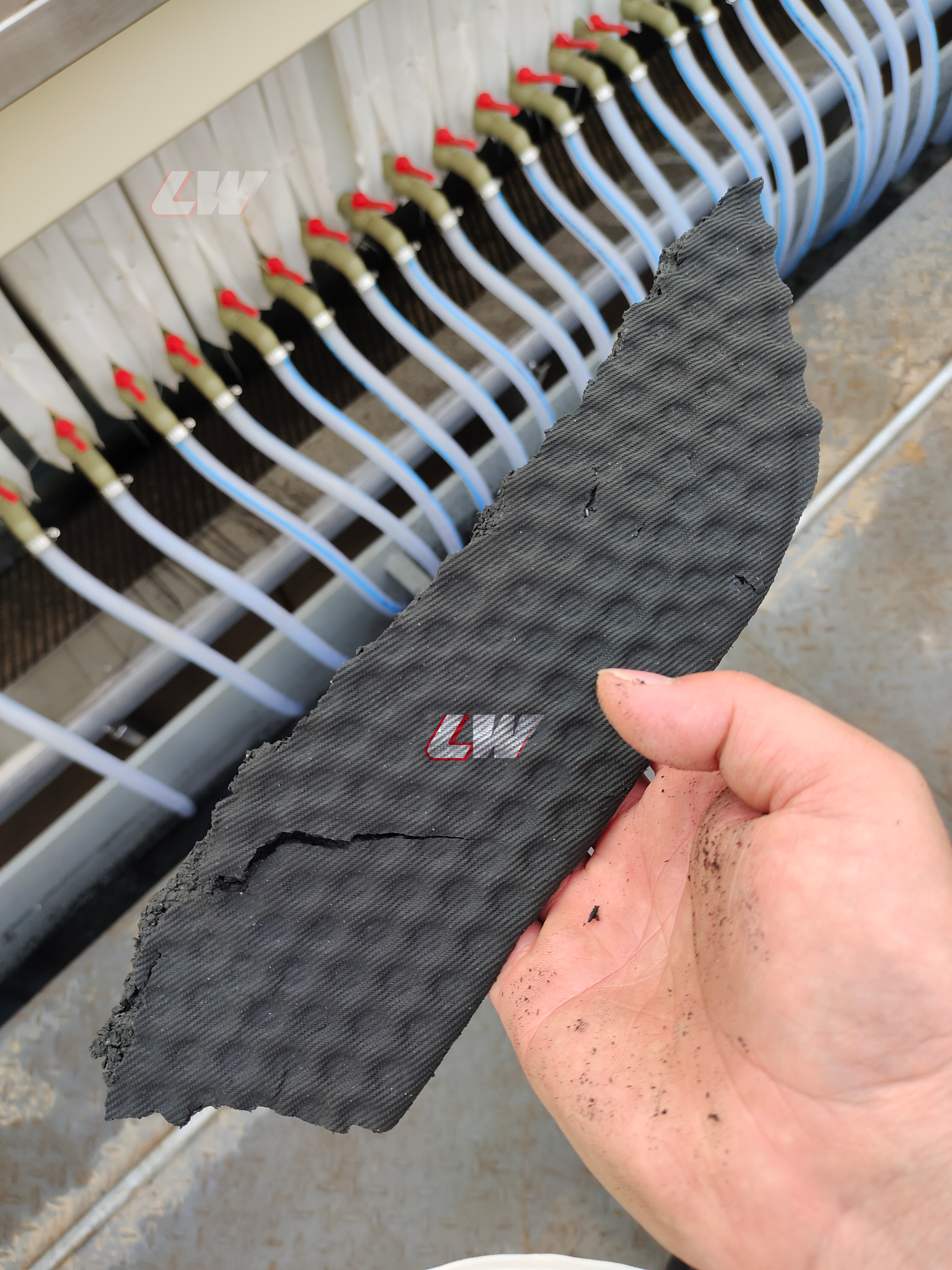
Coal & coking
Coal slurry thickener underflow and clean-coal dewatering on preparation plants. Cloth wash between batches keeps cake discharge clean.
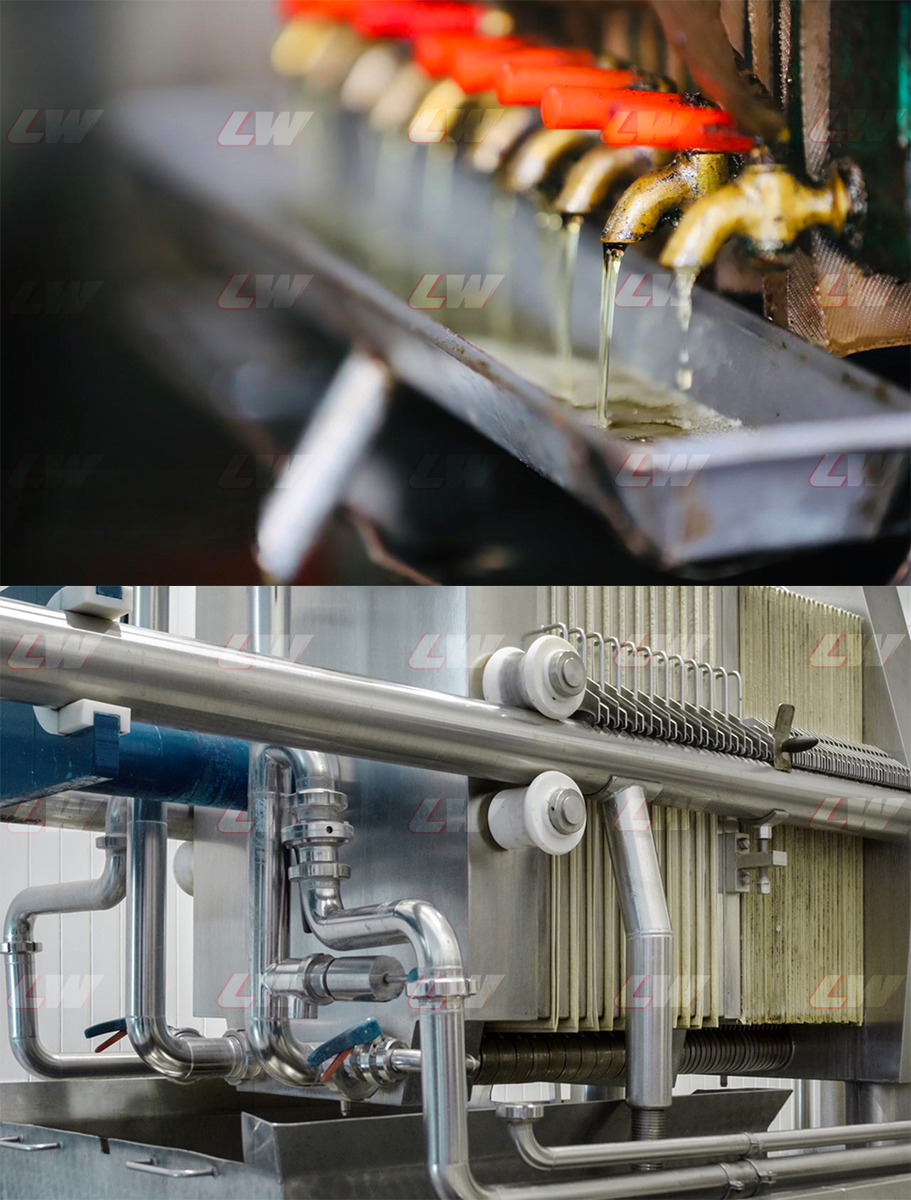
Food & beverage
Brewery spent grain (BSG) dewatering, juice clarification, and edible oil processing. SS304 plate option available on the 500 mm pilot lines.
Also specified for municipal wastewater sludge, pigment and fine chemical duty, and new-energy material filtration — plate material and cloth grade are matched to the slurry at quotation stage.
Frequently Asked Questions
The questions buyers ask most often about quick opening presses. If yours is not below, our engineering team replies within one working day.
Q1. What is the difference between a quick opening press and a fast opening press?
The terms are used interchangeably in the industry. Both describe a recessed-chamber press with a lock-and-release that one operator can open in 60 to 180 seconds. “Quick opening” is the more common term in mining and metallurgy; “fast opening” is more common in chemical and pharmaceutical write-ups. The hardware, cycle time, and operator count are identical.
Q2. Can a quick opening release be retrofitted to my existing chamber press?
Sometimes. The retrofit depends on three things: the frame must accept the lock bracket (Loway frames built after 2018 already accept it), the existing hydraulic cylinder must be able to vent the pack pressure through the lock release, and the plate pack must use the Loway shifter-rail plates. Send us your press serial number and we will confirm fitment.
Q3. How does a quick opening press differ from an automated filter press?
A quick opening press is a release mechanism — one operator undoes the lock and the pack opens itself. An automated filter press adds a PLC that runs the entire cycle from filling to plate shifting without operator action. Quick opening is the common build when one operator is on site at every batch; automated is the common build when the press runs unattended or feeds a SCADA historian — view the automated filter press page.
Q4. Does quick opening affect cake dryness?
No. Cake dryness is set by the press cycle — feed pressure, press time, air-blow time, and cloth permeability — not by how the pack is opened. A quick opening press running the same cycle on the same slurry as a standard chamber press delivers the same cake solids. If higher dryness is the goal, a membrane press build adds a 1.0–1.6 MPa squeeze step and pushes cake solids to 55–75% — view the membrane filter press page.
Q5. What plate sizes and slurry solids is a quick opening press suited for?
The five plate series cover small-batch to industrial duty: 500 mm (4–14 m²), 800 mm (20–80 m²), 1000 mm (32–120 m²), 1500 mm (200–600 m²), and 2000 mm (280–700 m²). Feed solids of 2 to 8% are typical for normal dewatering, up to 12% for thick slurries with a feed pump rated for the higher viscosity. The release mechanism does not change the slurry handling envelope.
Q6. How many plates can one operator safely open?
Up to 40 plates on the hand-wheel option, up to 80 plates on the spring-assisted shifter, and above 80 plates on the powered shifter. On the spring-assisted shifter, the shifter arm force becomes heavy for one operator past 80 plates — the powered shifter is the typical fit above that count.
Q7. What utilities does a quick opening press need?
Three utilities run a quick opening press: 380 V three-phase power for the hydraulic pump motor, compressed air at 0.6–0.8 MPa for valve actuation and the optional post-press air-blow drying step, and a slurry feed line from your feed pump. The hand-wheel release does not need any auxiliary electrical supply; the powered shifter adds a 220 V single-phase supply for the auxiliary cylinder controls.
Q8. How long does delivery take?
Standard quick opening models ship in 25–35 working days from order confirmation. Custom plate counts, special plate materials, or ATEX-rated electrical packages add 10–15 working days. Shipping to most ports is 30 days by sea; urgent orders can be air-freighted at additional cost.
Get a Sized Quick Opening Press Quotation
Send your slurry characteristics, batch cadence, and target plate count. Our engineering team will propose a plate series, release option, and cloth grade, and quote a complete line including feed pump and conveyor if needed.
Related PlatformsOther filter press configurations and dewatering lines
The quick opening press is one of seven filter press platforms Loway builds. If your duty points to a different configuration, here are the natural next reads.
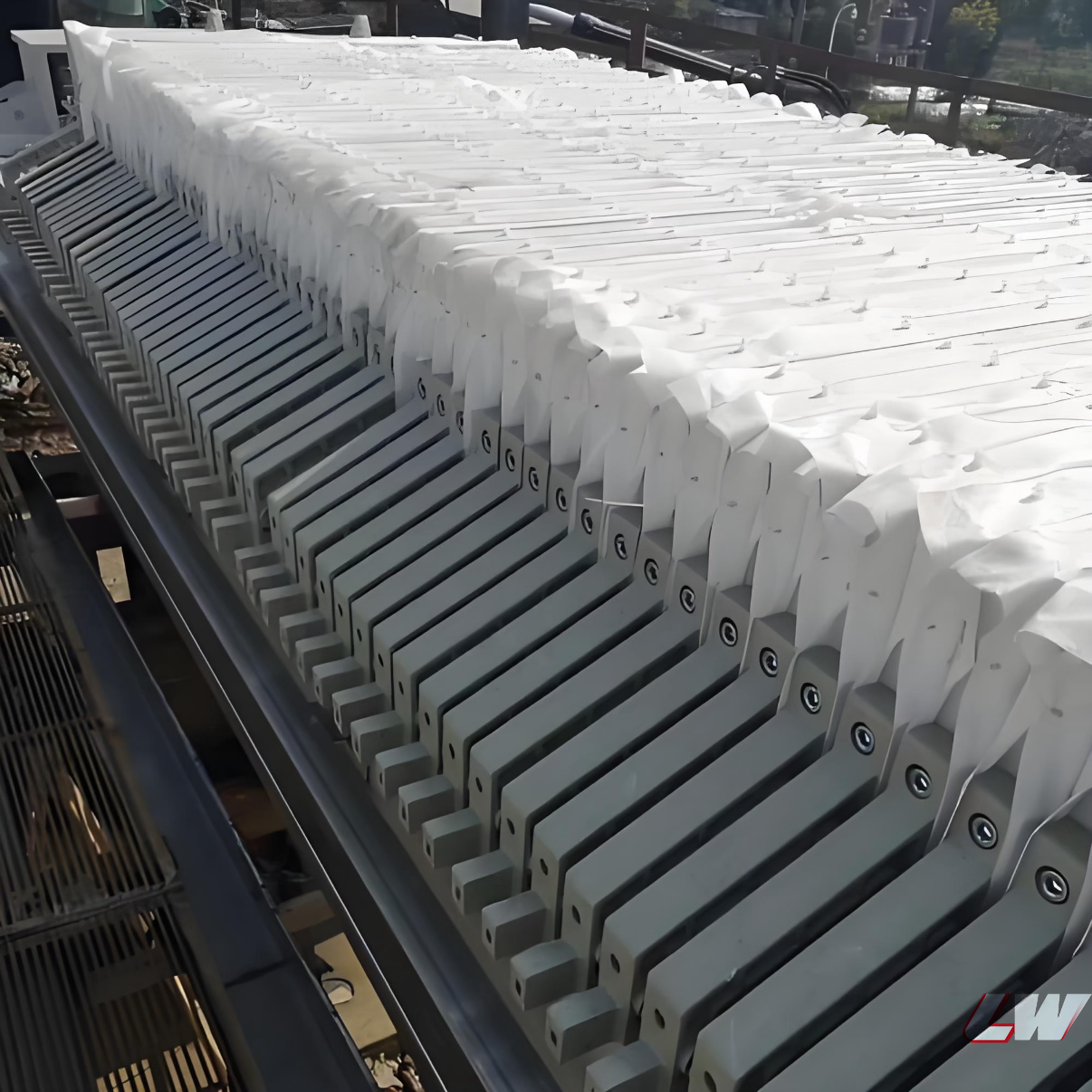
Chamber Filter Press
The standard build. Lower capex, longer open time. The right platform when extreme cycle cadence is not the priority.
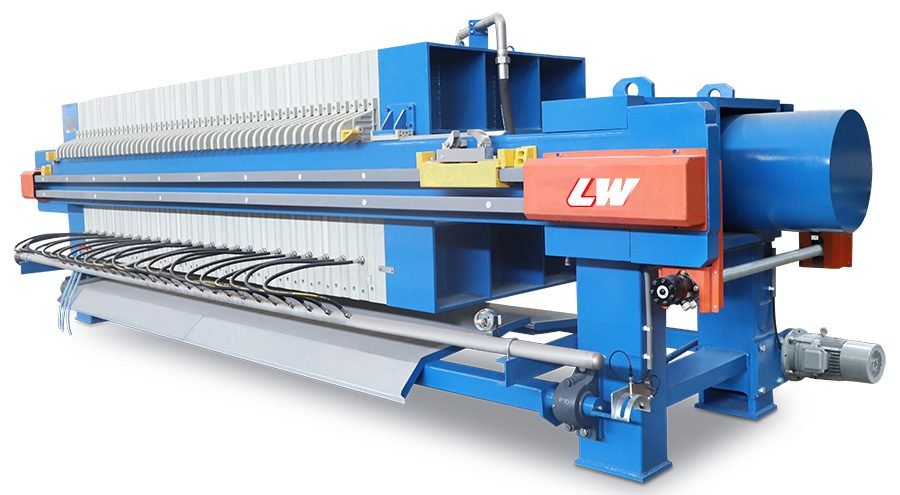
Membrane Filter Press
Adds a 1.0–1.6 MPa squeeze step. Cake solids reach 55–75%. The natural step up when dryness is the priority.
Automated Filter Press
PLC-driven cycle, hands-off from feed to discharge. The common build when the press runs unattended or feeds SCADA.