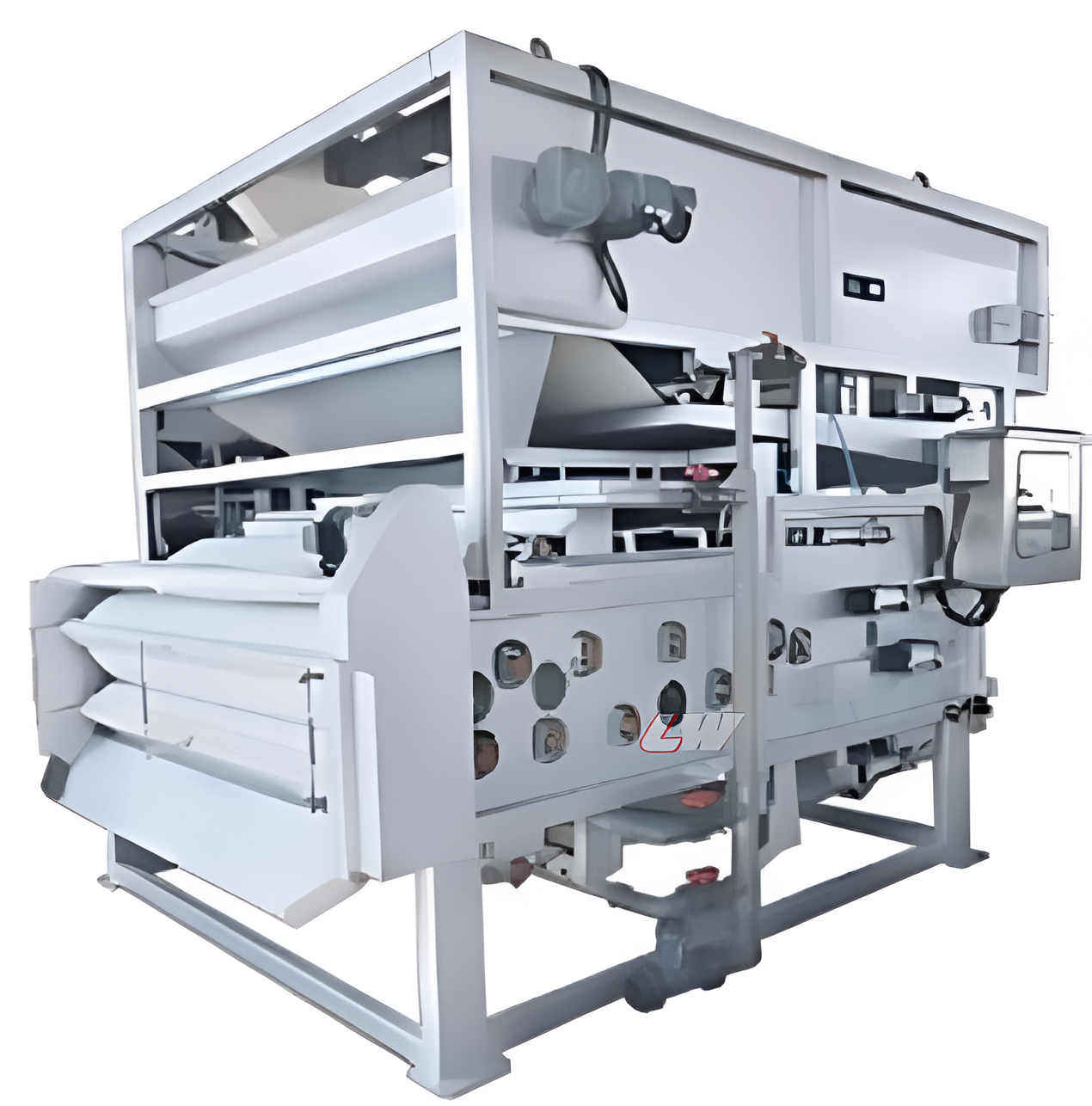
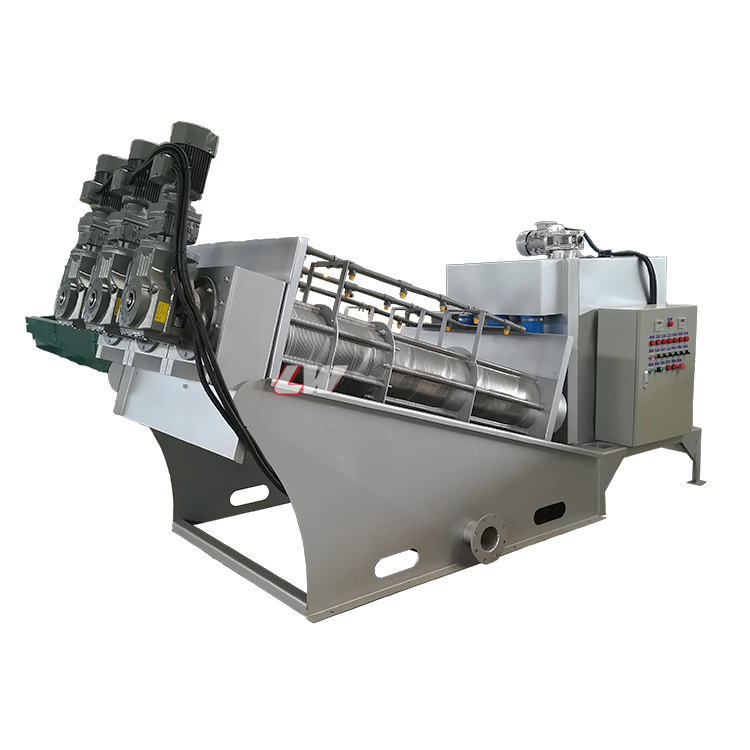
Filter Cloth Selection Guide: Belt vs. Chamber Filter Presses
Optimize Filtration Efficiency & Reduce Total Cost of Ownership (TCO)
Selecting the right filter cloth is not just about fitting the machine—it is about mastering the balance between filtration precision, cake discharge speed, and service life.
Whether you are operating a continuous Belt Filter Press or a batch Chamber/Plate & Frame Filter Press, the wrong fabric choice can lead to frequent blinding, wet filter cakes, and costly downtime.
At Loway Equipment, we bridge the gap between material science and on-site application. This guide helps Procurement Managers and Process Engineers understand the critical differences in cloth selection to ensure peak performance for your specific solid-liquid separation process.
The Core Difference: Dynamic Conveying vs. Static Sealing
While both systems aim to separate solids from liquids, the physical demands on the fabric are fundamentally different.
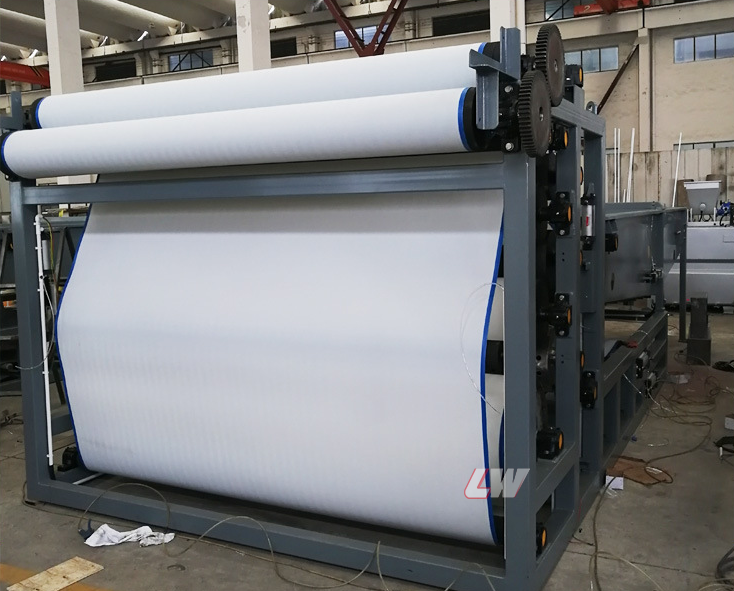
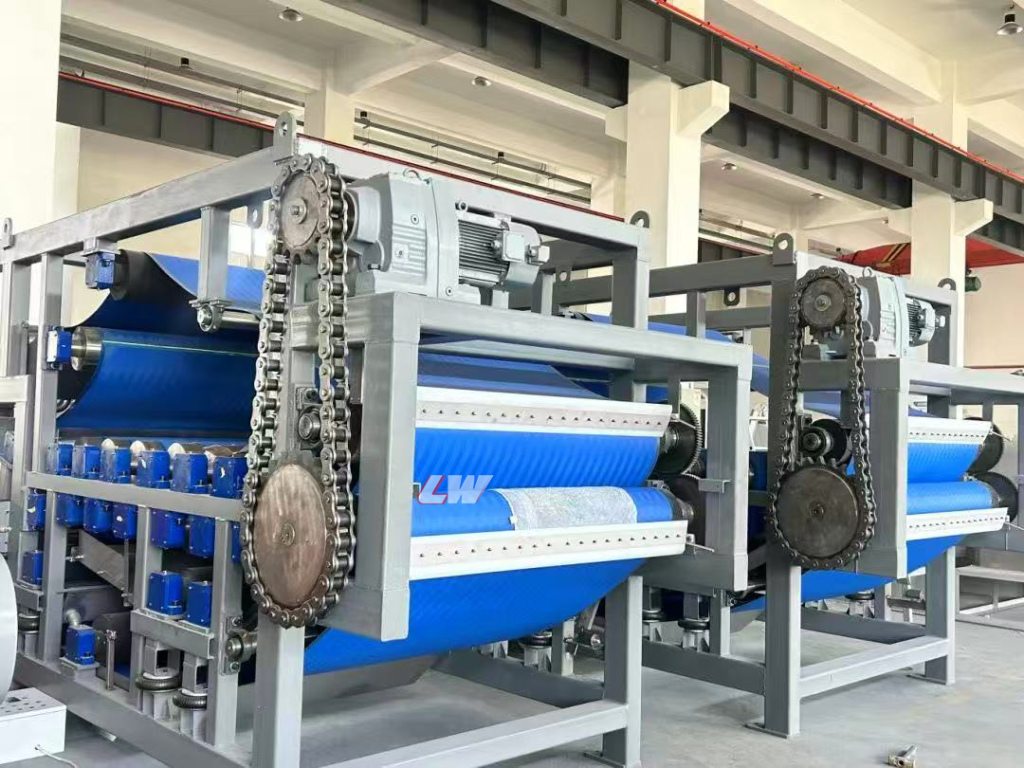
Belt Filter Press Cloths
Operating Mode: Continuous / Dynamic
Primary Stress: Tension & Abrasion: The cloth acts as a conveyor belt, constantly moving over rollers under high tension.
Critical Failure Point: The Seam (Joint): The clipper connection is the weakest link. Requires high tensile strength.
Key Performance: Metric Tracking & Drainage: Must drain water rapidly in the gravity zone and stay aligned.
Feature
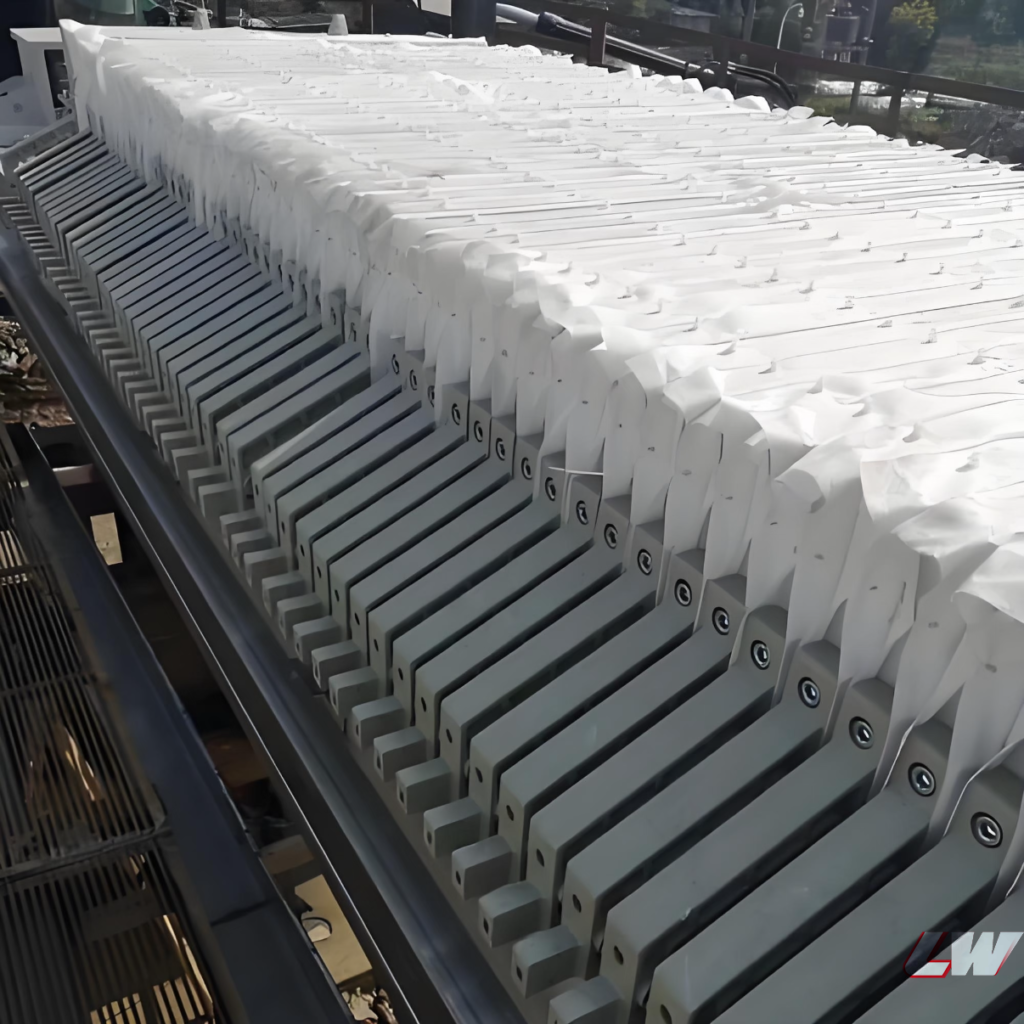
Chamber / Plate & Frame Filter Cloths
Operating Mode: Batch / Static
Pressure: The cloth is clamped between plates and must withstand high feed pump pressure and squeeze pressure.
Critical Failure Point: The Sealing Edge: Poor edge treatment leads to leakage (spraying) between plates.
Retention & Release: Must capture fine particles and allow the cake to drop cleanly when opened.
Feature
Deep Dive: Selecting the Right Specifications
Belt Filter Press Cloths (Dewatering Belts)
Designed for: Municipal Sludge, Paper Pulp, Juice Squeezing
For belt presses, the fabric is a moving component. The priority is dimensional stability. If the belt stretches too much, it slips; if it’s too rigid, it breaks.
Material Recommendation:
Polyester (PET): The industry standard. Offers excellent tensile strength and resistance to stretching. Suitable for most acidic and neutral environments.
Nylon (PA): Used only when abrasion resistance is the sole priority, though less common due to moisture absorption (stretching).
Weave & Structure:
Spiral Weave: Highly recommended for easy seam installation and repair. Excellent permeability.
Clipper Seam: We use marine-grade stainless steel (AISI 316) clippers tailored to the belt thickness to prevent seam failure.
Designed for: Mining Tailings, Chemical Processing, Stone Wastewater
For plate presses, the cloth acts as a gasket and a filter. The priority is cake release and chemical resistance.
Material Recommendation:
Polypropylene (PP): The MVP of filter cloths. Excellent acid/alkali resistance (pH 1-14) and slick surface for cake release.
Nylon (PA): Best for abrasive slurries (mining) where alkali resistance is needed.
Yarn Type Matters (Critical for Engineers):
Monofilament: Like fishing line. Best for fast flow and non-blinding. Choose this for sticky sludge.
Multifilament: Like yarn. Captures very fine particles but can clog easier. Choose this for clear filtrate requirements.
Industry-Specific Selection Table
Loway Equipment engineers have compiled this reference based on thousands of successful installations.
Application Scenario
Recommended Material
Weave & Yarn Strategy
Why This Works?
Municipal Sludge (High moisture, sticky)
Polyester (Belt) / PP (Chamber)
Satin or Twill Weave / Monofilament
Monofilament surfaces are smooth, preventing sticky sludge from clogging the pores. Satin weave enhances cake release.
Mine Tailings (Abrasive, heavy load)
Nylon or Heavy-duty PP
Plain Weave / Multifilament
High abrasion resistance is required. Tighter weaves capture fine ore particles while withstanding high-pressure squeezing (up to 1.6 MPa).
Chemical Processing (Acids/Alkalis, fine particles)
Polypropylene (PP)
Plain Weave / Staple Fiber
PP withstands harsh chemical attack. Staple fibers creates a complex path to trap micron-sized precipitates (1–5μm).
Food & Beverage (Hygiene required)
Food-Grade Nylon or PET
Satin Weave / Mono-Multi Mix
FDA-compliant materials. Smooth surface finish ensures no fiber contamination enters the food product.
Troubleshooting: Common Signs You Have the Wrong Cloth
If you are experiencing these issues, it is time to consult Loway Equipment for a replacement.
Cloudy Filtrate (Dirty Water):
• Cause: The weave is too open, or you are using monofilament when you need multifilament. • Fix: Switch to a tighter weave or a “double-layer” cloth design.
Sticky Cake (Won't Fall Off):
Cause: The yarn is too fuzzy (staple fiber) or the weave creates friction.
Fix: Upgrade to a calendered (heat-treated) monofilament cloth for a non-stick surface.