

Stainless Steel Filter Plates
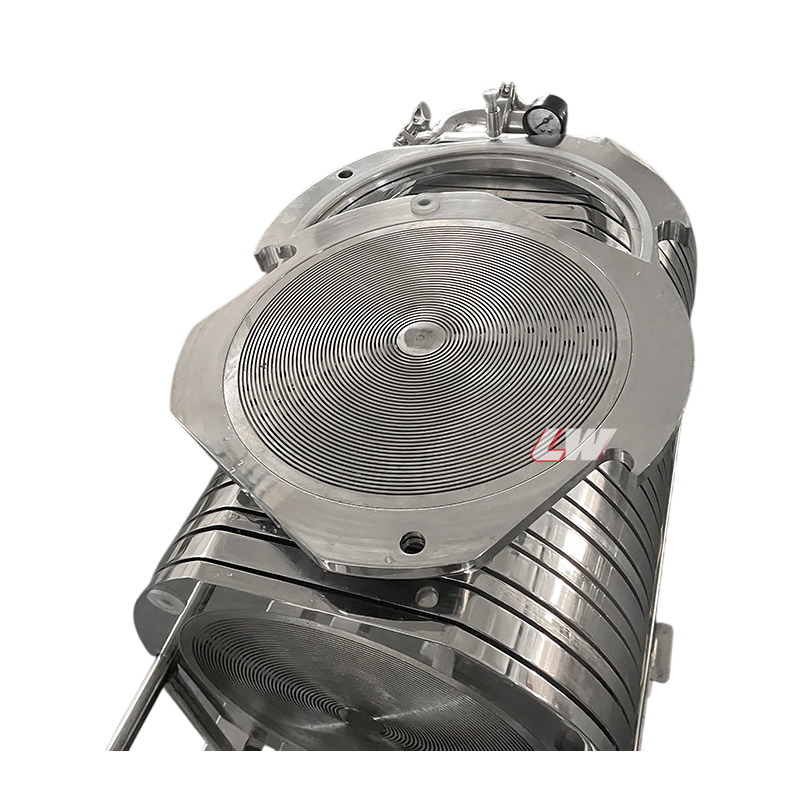
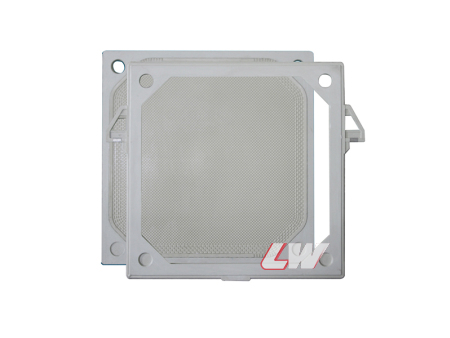
Stainless steel filter plates are critical components in the filter press industry, designed to deliver unmatched durability and efficiency in demanding filtration processes. Crafted from 304 or 316L stainless steel, these plates excel in applications requiring food-grade compliance, extreme pressure, high temperatures, and resistance to corrosive chemicals. Ideal for water treatment, food processing, pharmaceuticals, and chemical industries, our filter plates ensure long-lasting performance and consistent filtration quality.
- Material304 or 316L Stainless Steel
- Mesh Size Options20-400 mesh
- Maximum Operating TemperatureUp to 300°C
Key Features
Superior Material Quality
Constructed from high-grade 304 or 316L stainless steel
Extended Lifespan
Significantly longer operational life compared to conventional plates
Corrosion Resistance
Withstands exposure to acids, alkalis, and harsh chemicals
Food-Grade Compatibility
Suitable for filtering food-grade materials
High Temperature Tolerance
Performs reliably in high-temperature environments
High Pressure Resistance
Engineered to withstand elevated operational pressures
Dual Functionality
Supports both filtration and backwashing processes
Technical Specifications
| Parameter | Specification |
|---|---|
| Material | 304 or 316L Stainless Steel |
| Mesh Size Options | 20-400 mesh |
| Maximum Operating Temperature | Up to 300°C |
| Pressure Resistance | Up to 1.2 MPa |
| Backwash Pressure Tolerance | 0.6-0.8 MPa |
| pH Resistance Range | 1-14 |
| Surface Treatment | Polished, Passivated |
| Edge Construction | Fully Welded |
Key Technology Behind Loway Automated Filter Presses
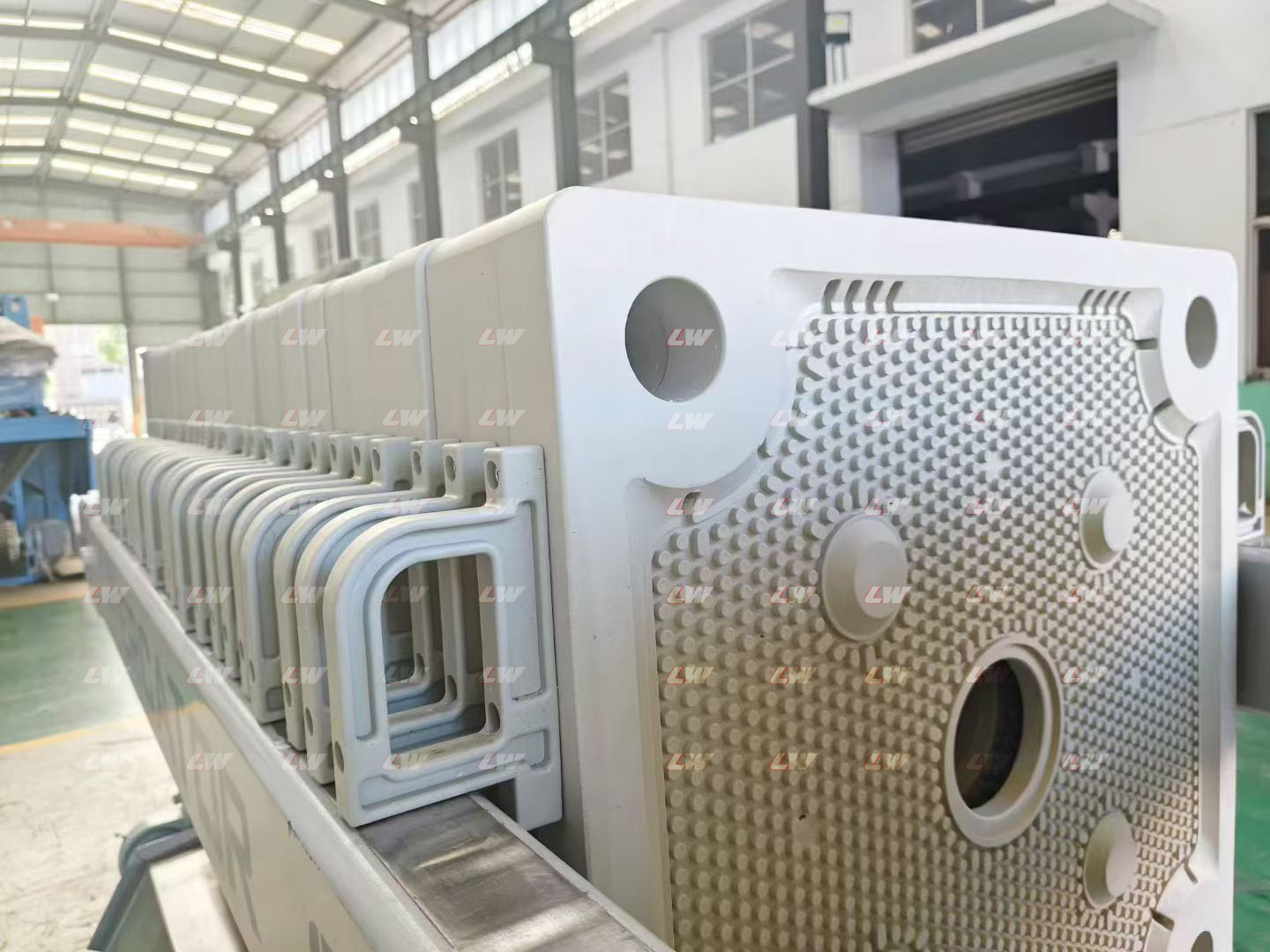
Pressure Filtration Mechanics Automated filter presses use mechanical pressure to force liquids through filter media, typically filter cloths, while retaining solids. The pressure squeezes liquid from the slurry, creating increasingly dry solid cakes. Automation Control Systems Modern filter presses utilize sophisticated PLCs that control the entire operation from feeding to cake discharge. These systems monitor pressure, flow rates, and cycle times while making real-time adjustments for optimal performance. Filter Media Technology High-performance synthetic filter cloths with precise micron ratings ensure effective solid capture while allowing clear filtrate to pass through. Advanced media options include chemical-resistant materials for aggressive applications.
Technical Advantages
Secure Edge Welding
The stainless steel mesh is firmly welded to the plate edge, preventing tearing or damage during operation and maintaining filtration quality without frequent replacements.
Superior Structural Integrity
The high-strength construction maintains performance integrity even under intense backwashing conditions.
Anti-Clogging Design
The stainless steel mesh prevents adhesion of impurities and resists clogging, making it particularly effective for high-viscosity liquids and applications using diatomaceous earth filtration.
Precision Engineering
Features open-top and closed-bottom design with uniform mesh spacing on the upper surface and solid stainless steel plate on the bottom, for a tight, repeatable seal.
Enhanced Regeneration
Compatible with combined air-water backwashing systems, allowing complete performance restoration after cleaning cycles.
High Pressure Tolerance
Withstands backwashing pressures of 0.6-0.8 MPa.
Manufacturing Process
Our stainless steel filter plates undergo a meticulous production process to ensure exceptional quality and performance
- Material Selection: 304 or 316L stainless steel sourced from certified suppliers.
- Precision Cutting: Computer-controlled cutting for dimensional accuracy.
- Edge Preparation: Careful edge preparation for optimal welding results.
- Mesh Integration: Precision welding of stainless steel mesh to plate structure.
- Quality Testing: Rigorous pressure and integrity testing.
- Surface Treatment: Final polishing and passivation for enhanced corrosion resistance.
Industry Applications of Stainless Steel Filter Plates
Crafted from 304 or 316L stainless steel, these plates excel in applications requiring food-grade compliance, extreme pressure, high temperatures, and resistance to corrosive chemicals.
Crafted from 304 or 316L stainless steel, these plates excel in applications requiring food-grade compliance, extreme pressure, high temperatures, and resistance to corrosive chemicals.
Ideal for water treatment, food processing, pharmaceuticals, and chemical industries, our filter plates ensure long-lasting performance and consistent filtration quality.
Plate Manufacturing at Loway
Plate packs, cloth fitting and press assembly are handled in our own workshop, so replacements are matched to the drawing or sample you send rather than to a catalogue number.
Request a Quote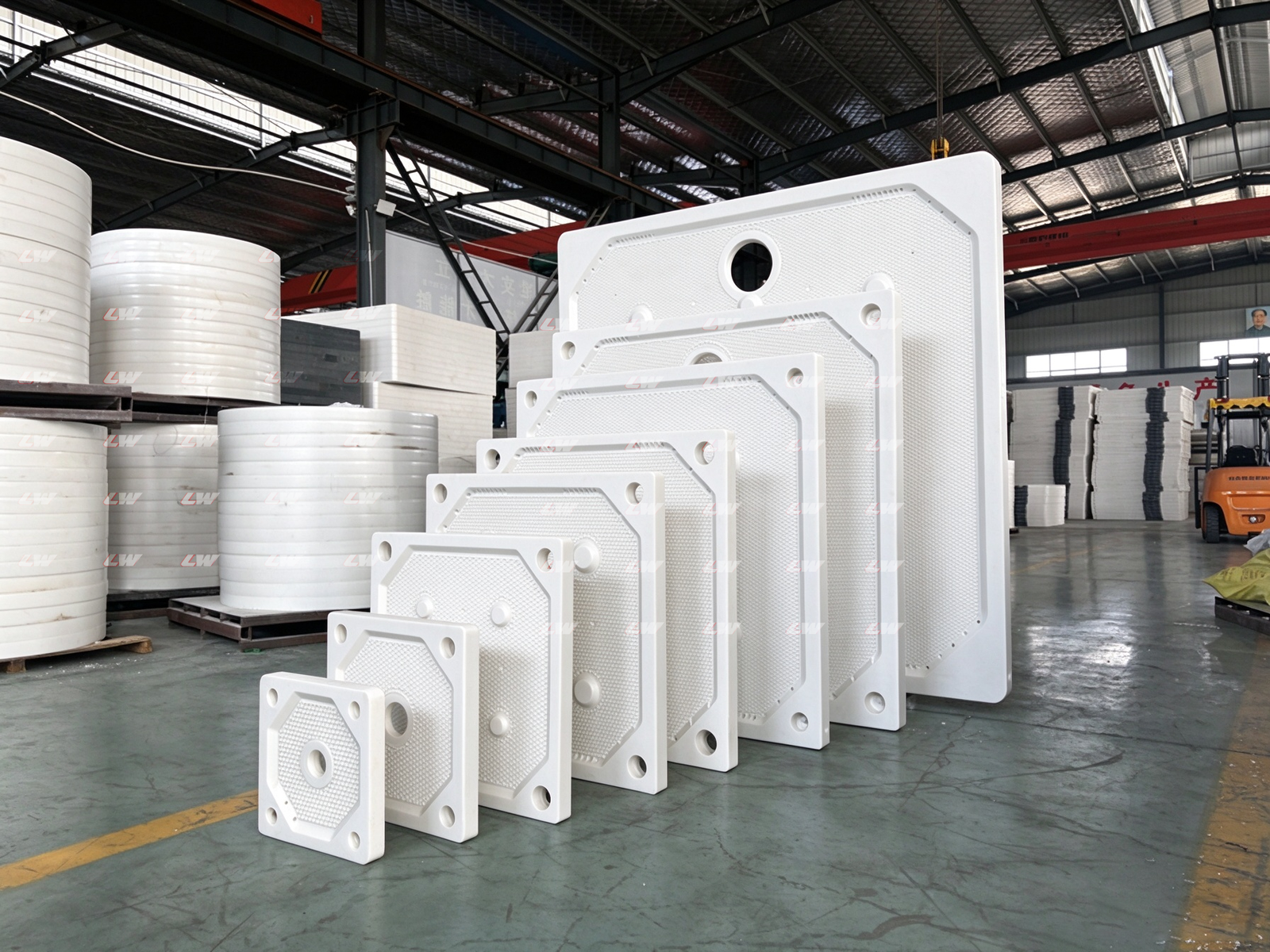
Frequently Asked Questions About Stainless Steel Filter Plates
Q1: When should I choose stainless steel instead of polypropylene?
Choose stainless when the slurry is hot, solvent-laden or aggressive to polymers. Stainless plates work up to 300°C, tolerate pH 1-14, and meet food-grade requirements that polymer plates cannot.
Q2: 304 or 316L - which grade do I need?
304 covers most neutral and mildly corrosive duties. 316L is the safer pick for chlorides, acids and pharmaceutical or food contact, and both grades come from certified suppliers.
Q3: What filtration precision is available?
Mesh options run from 20 to 400 mesh. Coarser mesh handles coarse solids and support duty; finer mesh serves polishing and clarification.
Q4: Can the plates be backwashed?
Yes. The fully welded construction tolerates backwash pressure of 0.6 to 0.8 MPa, so the same plate can alternate between filtration and backwashing cycles.
Q5: How are the edges and surfaces finished?
Surfaces are polished and passivated, and the edge construction is fully welded. This keeps the sealing face stable through repeated thermal and pressure cycles.


Get a Quote
Contact our team of filtration specialists today to discuss how our filter press solutions can address your specific solid-liquid separation challenges.