

Intermediate Feed Membrane Filter Plates
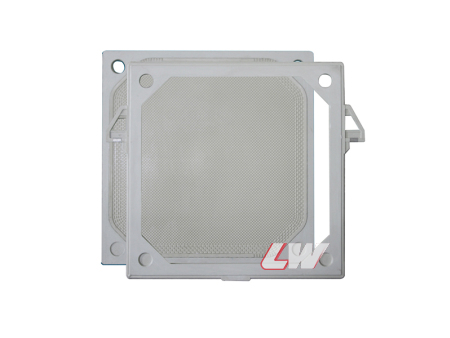
Intermediate feed membrane filter plates are critical components in industrial filtration systems, designed to optimize solid-liquid separation processes. Their unique center-feed design and advanced membrane technology ensure high efficiency, durability, and versatility across industries like chemical processing, food and beverage, pharmaceuticals, and wastewater treatment.
- Material OptionsMembrane: NBR, EPDM, FKM; Frame: Stainless Steel 304/316, PP, Cast Iron
- Operating Pressure7–16 bar (adjustable based on application)
- Temperature Range-20°C to 150°C (depending on membrane material)
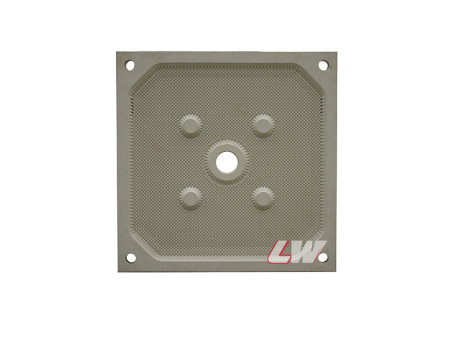
Key Features
Center Feed Design
Liquid enters through the central inlet port, promoting uniform distribution and reducing localized pressure on the filter media
Membrane Structure
Features an elastic membrane typically made of rubber or similar flexible materials that deforms under pressure to enhance solid-liquid separation
Reinforced Framework
Equipped with a strengthened frame to provide additional structural integrity and stability during operation
Durable Construction
Manufactured using corrosion-resistant materials to withstand harsh industrial environments
Easy Maintenance
Designed for simple disassembly and cleaning, reducing downtime and maintenance costs
Technical Specifications
| Parameter | Details |
|---|---|
| Material Options | Membrane: NBR, EPDM, FKM; Frame: Stainless Steel 304/316, PP, Cast Iron |
| Operating Pressure | 7–16 bar (adjustable based on application) |
| Temperature Range | -20°C to 150°C (depending on membrane material) |
| Filtration Area | Customizable (standard sizes: 800x800 mm to 1500x1500 mm) |
| Applications | Chemical slurries, wastewater sludge, food-grade liquids, pharmaceuticals |
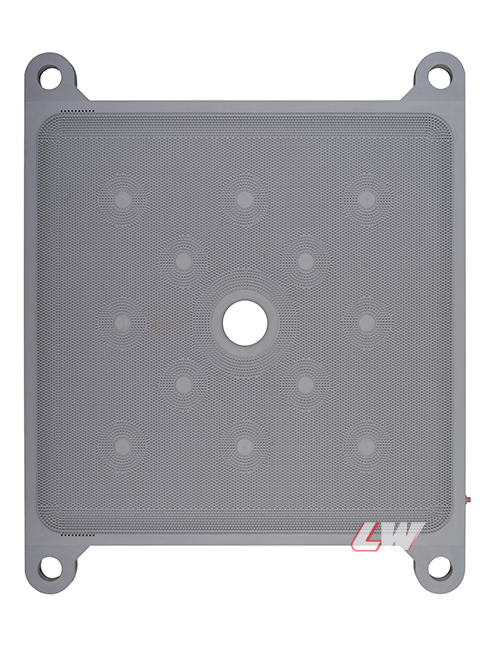
Technology & Material Selection
Membrane Materials Chemical & Heat Resistance: Our membranes are typically crafted from materials such as natural rubber or nitrile rubber, chosen for their ability to resist chemical corrosion and high temperatures. Frame Materials Durability & Corrosion Resistance: Frames are manufactured using high-grade stainless steel or other robust, corrosion-resistant materials, ensuring long-lasting performance even in demanding environments.
Advantages
High Efficiency
Membrane pressing significantly increases the dewatering rate of solid particles
Uniform Distribution
Even distribution of liquid across the filter media reduces localized wear
Improved Cake Discharge
Enhanced design facilitates easier cake release after filtration
Extended Service Life
Quality materials and structural design ensure durability and reliability
Versatility
Suitable for various applications across multiple industries
Resource Conservation
Efficient solid-liquid separation contributes to water and material conservation
Technology Innovations
- Smart Monitoring Systems: Integration of pressure and flow sensors for real-time performance monitoring.
- Advanced Membrane Materials: Development of membranes with enhanced chemical resistance and longer service life.
- Optimized Flow Channels: Redesigned internal channels for improved liquid distribution and reduced pressure drop.
- Heat Setting & Finishing: Improves dimensional stability and enhances mechanical properties.
- Energy-Efficient Designs: Structural improvements that reduce energy consumption during the filtration process.
Industry Applications of Intermediate Feed Membrane Filter Plates
Their unique center-feed design and advanced membrane technology ensure high efficiency, durability, and versatility across industries like chemical processing, food and beverage, pharmaceuticals, and wastewater treatment.
Their unique center-feed design and advanced membrane technology ensure high efficiency, durability, and versatility across industries like chemical processing, food and beverage, pharmaceuticals, and wastewater treatment.
Their unique center-feed design and advanced membrane technology ensure high efficiency, durability, and versatility across industries like chemical processing, food and beverage, pharmaceuticals, and wastewater treatment.
Their unique center-feed design and advanced membrane technology ensure high efficiency, durability, and versatility across industries like chemical processing, food and beverage, pharmaceuticals, and wastewater treatment.
Plate Manufacturing at Loway
Plate packs, cloth fitting and press assembly are handled in our own workshop, so replacements are matched to the drawing or sample you send rather than to a catalogue number.
Request a Quote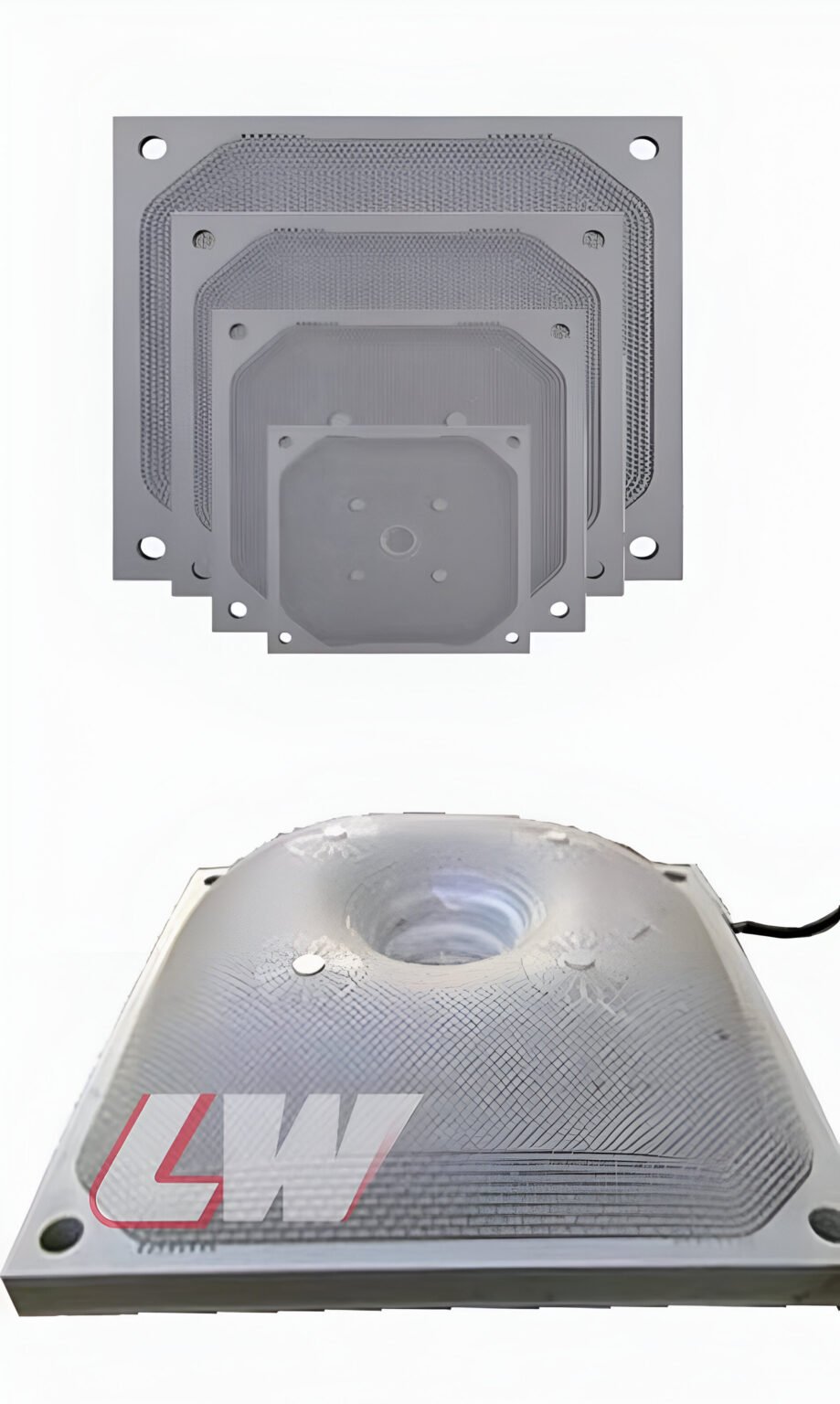
Frequently Asked Questions About Intermediate Feed Membrane Filter Plates
Q1: What does “intermediate feed” mean on a membrane plate?
Feed enters through a central inlet port instead of corner ports, so slurry spreads evenly across the whole cloth area. This gives a uniform cake and reduces localised wear on the filter media.
Q2: How does membrane squeezing work?
After filtration, the elastic membrane - typically rubber or a similar flexible material - deforms under pressure and squeezes the cake. This mechanically extracts additional liquid and lowers final cake moisture.
Q3: Which membrane materials are offered?
NBR, EPDM and FKM, covering oil-bearing, acidic and solvent duties. Working temperature spans -20°C to 150°C depending on the membrane material.
Q4: What squeeze pressure and sizes are available?
Operating pressure runs from 7 to 16 bar, adjustable per application. Standard sizes go from 800×800 mm to 1500×1500 mm, with custom filtration areas on request.
Q5: Are they easy to maintain?
Yes. The plates are designed for simple disassembly and cleaning, and the reinforced frame with corrosion-resistant materials keeps its structural integrity through repeated squeeze cycles.


Get a Quote
Contact our team of filtration specialists today to discuss how our filter press solutions can address your specific solid-liquid separation challenges.