If your screw press dewatering machine is producing wet, crumbly sludge cake with moisture content consistently above 80%, this guide gives you the complete diagnostic process and step-by-step corrective actions — so you can resolve the problem without unnecessary downtime or equipment replacement.

1. What Is the Acceptable Moisture Content for Sludge Cake?

Before diagnosing problems, it helps to know what performance you should actually expect from a screw press. Target moisture content varies by sludge type:

Sludge Type

Target Moisture Content

Municipal Wastewater Sludge

75%–80% | Cake holds shape, no visible dripping

Industrial Sludge (chemical, textile, sand washing, dredging)

70%–82% | Varies by solids composition and viscosity

If your sludge cake moisture content is regularly above 80% and the cake is wet, loose, or dripping, that is a confirmed dewatering anomaly — not a normal operating condition. Systematic troubleshooting is required.

2. Four Root Causes Behind High Moisture Content (Covering 90%+ of Field Cases)

Based on commissioning data from hundreds of screw press installations across municipal and industrial applications, high sludge cake moisture typically traces back to one of four categories. Here they are in order of frequency:

Cause #1 — Poor Flocculation (Accounts for ~60% of Cases)

Flocculation is the upstream step that determines whether sludge solids bind tightly enough for mechanical dewatering to work. When floc quality is poor, no amount of equipment parameter adjustment will fully compensate.

Common flocculation problems:

  • Wrong polymer type: Organic sludge (municipal, food processing, livestock) requires cationic PAM. Inorganic sludge (sand washing, river dredging, mineral tailings) requires anionic PAM. Using the wrong charge type prevents effective particle bridging, resulting in fine, fragile flocs that pass through the press.
  • Incorrect dosing rate: Under-dosing leaves solids insufficiently agglomerated; the filtrate runs cloudy, and cake moisture stays high. Over-dosing creates oversized, water-retaining flocs that actually trap free water inside — counterproductively increasing moisture.
  • Wrong polymer concentration: Standard PAM solution concentration is 0.1%–0.3%. Outside this range, mixing behavior changes and floc formation become inconsistent.
  • Improper mixing speed: Mixing too fast shears fragile flocs apart. Too slow, and the polymer is not distributed evenly through the sludge stream. Recommended range: 60–80 RPM in the conditioning tank.

Cause #2 — Incorrect Machine Operating Parameters (~25% of Cases)

Screw speed, back pressure, feed rate, and feed concentration all directly affect how long sludge is compressed inside the press and at what pressure. These are frequently misadjusted — especially during initial commissioning or after sludge type changes.

Key parameter issues:

  • Screw speed too high: Faster rotation shortens residence time inside the dewatering zone. Sludge exits before water is fully expressed. A common mistake is pushing throughput at the expense of cake dryness.
  • Back pressure gap too wide: The back pressure plate is the primary compression control. A gap larger than specification (standard: 4–6 mm on new units) reduces pressing force and yields wetter cake.
  • Feed rate exceeding rated capacity: When actual feed volume exceeds the machine’s design throughput, sludge moves through too quickly for adequate dewatering.
  • Feed sludge concentration too low: At concentrations below 2,000 mg/L, the solid fraction is too dilute to form a compressible plug. The result is thin, unformed cake with very high moisture.

Cause #3 — Component Wear or Blockage (~10% of Cases)

Continuous operation gradually degrades the mechanical components responsible for filtration and compression. When wear reaches a threshold, dewatering efficiency drops noticeably.

What to inspect:

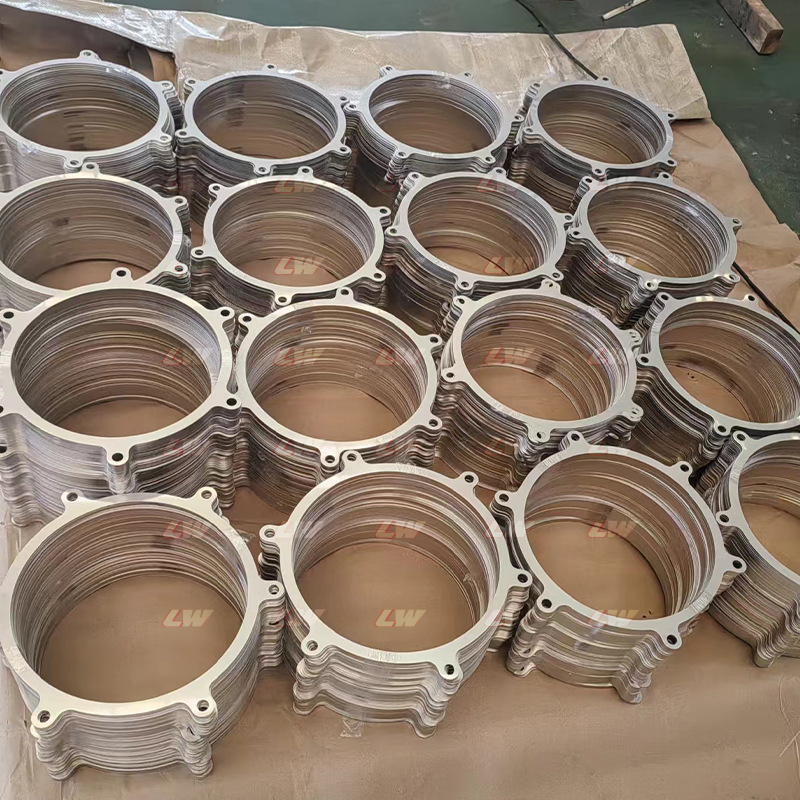
  • Moving and fixed rings: Fiber, grit, and debris accumulate in ring gaps, blocking drainage channels. Ring wear also increases gap tolerance, reducing filtration precision — symptoms include turbid filtrate and persistently wet cake.
  • Screw shaft flights: Worn flights lose pushing and compressing force. Output becomes inconsistent in dryness and volume.
  • Feed metering weir / inlet: Blockages here cause surging feed rates, disrupting floc conditioning and creating fluctuating dewatering quality.

Cause #4 — Sludge Property Shifts (~5% of Cases)

Sludge characteristics are not static. Seasonal changes, process upsets, or influent variability can alter sludge dewaterability overnight — rendering previously optimized parameters ineffective.

  • Wet season / stormwater dilution: Reduced sludge solids concentration and increased inorganic loading changes flocculation behavior.
  • Industrial process changes: Shifts in chemical use or production inputs can alter sludge pH, viscosity, and surface charge.
  • Increased organic content: Higher volatile solids content increases sludge hydrophilicity, making water harder to mechanically express.

3. Step-by-Step Corrective Actions

Work through these steps in sequence — starting with flocculation, then equipment parameters, then mechanical inspection. Most sites resolve the problem at Step 1 or 2.

Step 1: Diagnose and Optimize Flocculation (Highest Impact, Fastest Results)

Visual floc check:

In the conditioning tank, healthy flocs are 1–4 cm, firm, and well-formed. The supernatant above the flocs should be clear. If flocs are small and dispersed, increase polymer dose. If flocs are oversized and gelatinous, reduce dose.

Polymer selection:

  • Cationic PAM — municipal, food processing, and livestock wastewater sludge
  • Anionic PAM — sand washing, river sediment, mineral tailings

Confirm polymer type matches sludge surface charge. Using the wrong type cannot be compensated with dosage adjustment.

Solution preparation:

Prepare PAM at 0.2% concentration. Allow 30 minutes of hydration time with gentle agitation before use. Dry polymer clumps reduce effective concentration and cause uneven dosing.

Mixing speed:

Set conditioning tank mixer to 60–80 RPM. This range achieves uniform polymer distribution without mechanical floc destruction.

Step 2: Tune Machine Operating Parameters

Screw speed:

  • Sludge cake too wet: Reduce speed by 1 RPM at a time. Municipal sludge: target 8–10 RPM. Sand washing / dredging sludge: 10–12 RPM.
  • Machine vibrating or blocking: Increase speed by 1–2 RPM to restore flow balance.

Back pressure plate gap:

  • Moisture content above 80%: Stop the machine. Tighten the back pressure plate by one-quarter turn to reduce gap and increase compression. Do not reduce below 4 mm on new machines to avoid jamming.
  • Cake not discharging / torque too high: Loosen by one-quarter turn to reduce load.

Adjust one-quarter turn at a time and allow 10–15 minutes of stabilization before re-evaluating cake moisture.

Feed rate and concentration:

  • Dilute feed (below 2,000 mg/L): Add upstream thickening to bring concentration to 3,000–5,000 mg/L before the press.
  • Throughput overload: Reduce feed rate to 80% of rated capacity to allow adequate compression time.

Step 3: Scheduled Maintenance to Prevent Recurrence

  • Weekly: Flush ring gaps with high-pressure water to clear fiber and particulate buildup. This is the single most impactful routine maintenance task.
  • Semi-annually: Measure ring gap tolerance and screw flight wear. Replace components when gaps exceed OEM specification to maintain filtration precision.
  • Ongoing: Keep the feed metering weir clear of debris to maintain steady, consistent feed flow.

Step 4: Sludge Pretreatment for Difficult-to-Dewater Applications

  • High-viscosity sludge (chemical, industrial): Add lime or diatomaceous earth to reduce viscosity and break hydrophilic structure before conditioning.
  • High-organic sludge (food processing, biosolids): Upstream anaerobic digestion reduces volatile solids content and significantly improves mechanical dewaterability.

Initial Commissioning — Recommended Start Parameters

Parameter

Starting Value

Screw speed

10 RPM

Back pressure gap

4–6 mm

Stabilization time before tuning

30 minutes

Adjustment increment

1 RPM / one-quarter turn

Do not run new machines at maximum parameters from startup. Ramp gradually and allow 30 minutes of stable operation before adjusting. This protects both equipment and process stability.

Seasonal Adaptation

  • Wet season: Sludge arrives more dilute. Reduce screw speed slightly and increase polymer dose to compensate for lower influent concentration.
  • Cold weather: Polymer activation slows below 10°C. Extend hydration time to 45 minutes and verify solution temperature before use.

Loway Equipment Intelligent Control Options

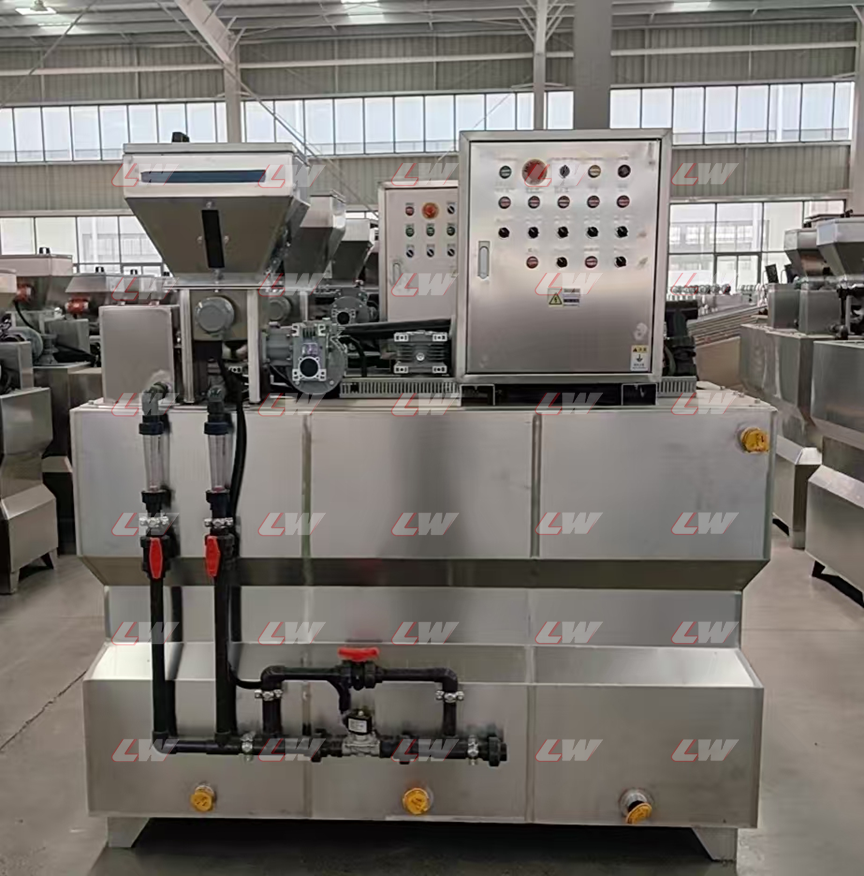
For sites with high variability in sludge type, flow rate, or operating staff availability, Loway Equipment screw press units support integrated automation packages including:

  • Automatic polymer dosing linked to real-time flow and solids data
  • Concentration-responsive speed control to maintain target cake dryness as feed changes
  • Remote monitoring and parameter adjustment via HMI or SCADA integration

Automated systems consistently deliver sludge cake moisture content of 75%–78% across municipal, textile, chemical, and sand washing applications — without manual intervention between shifts.

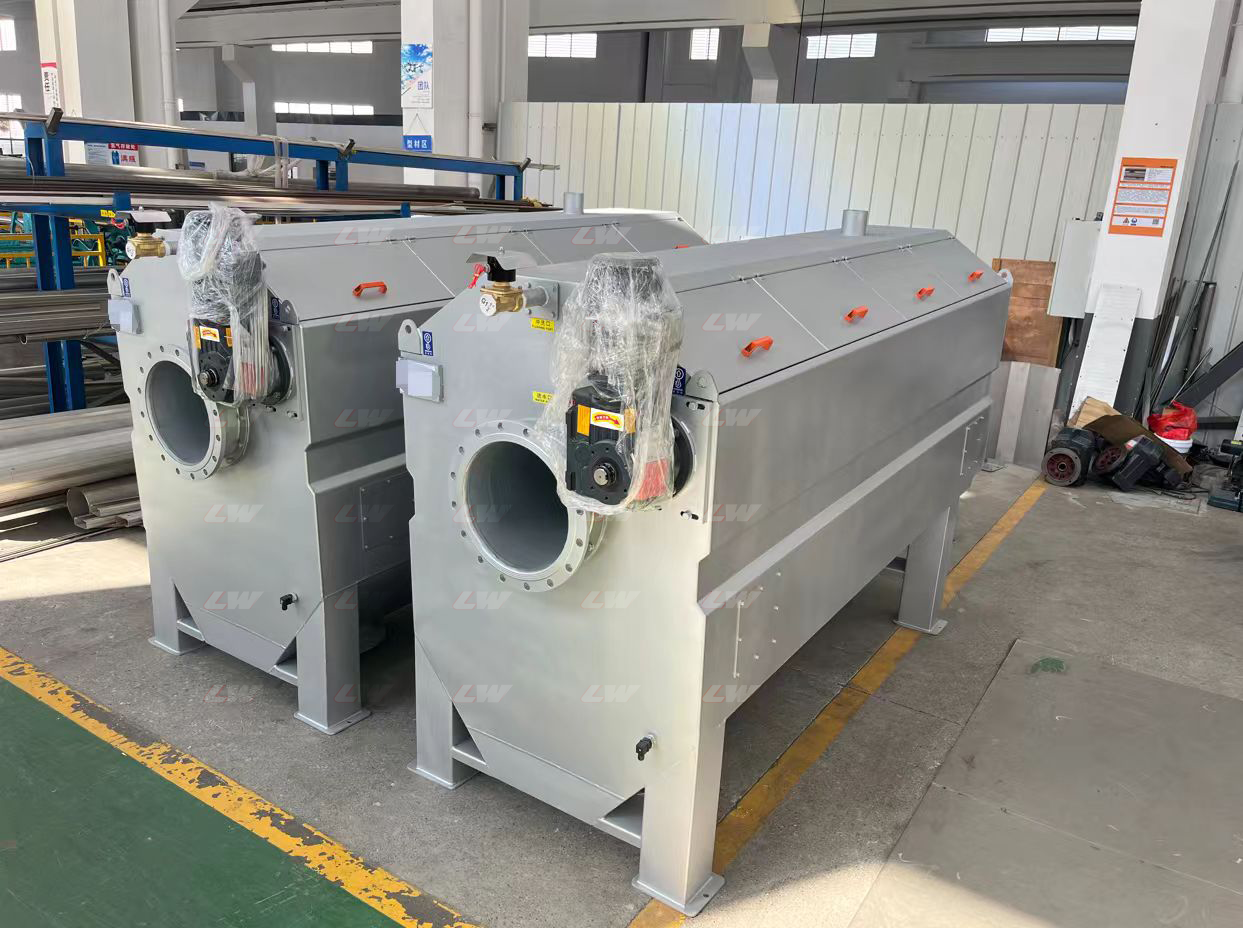
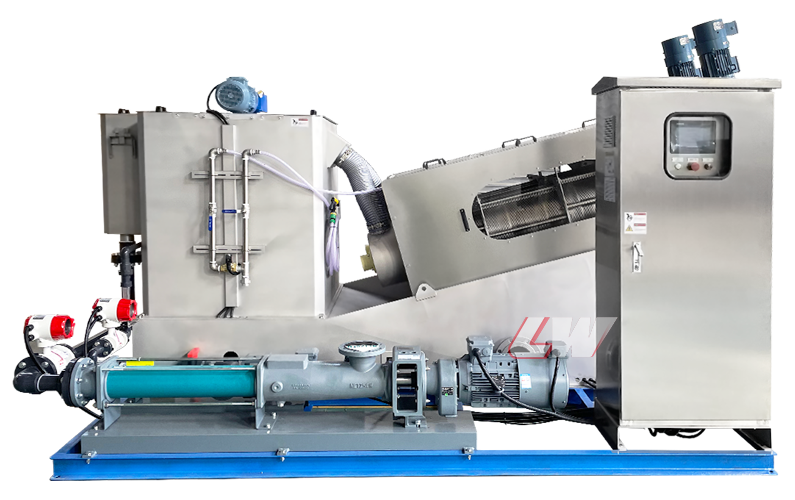
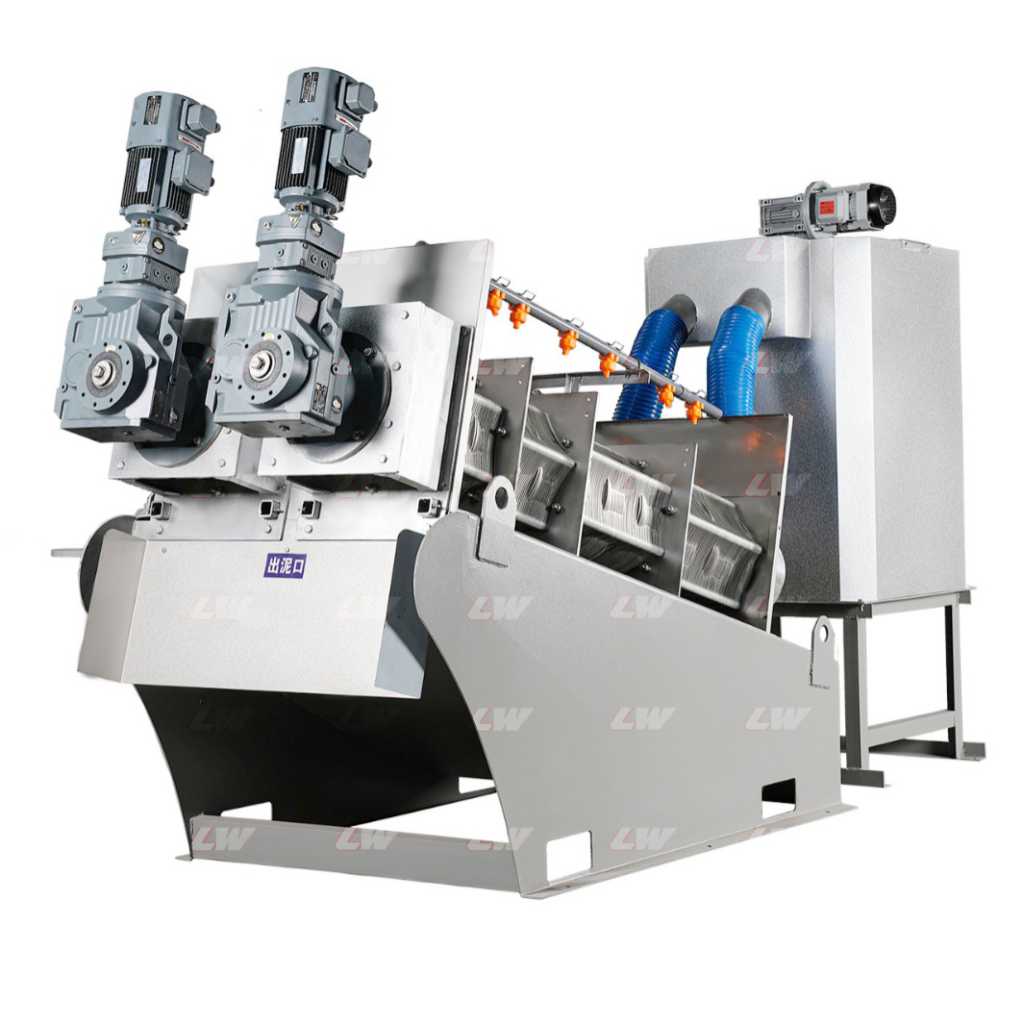
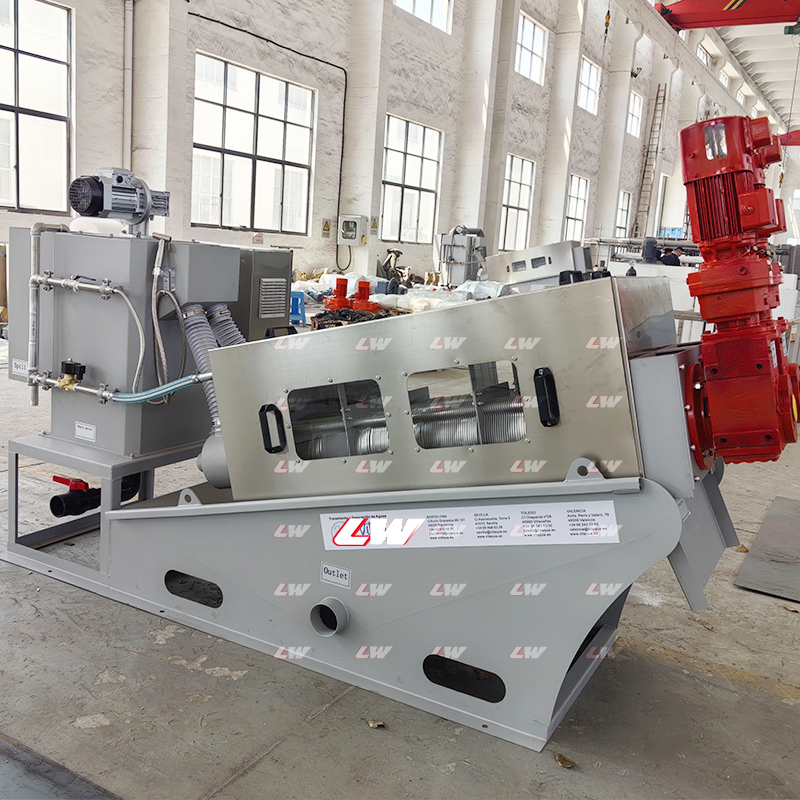
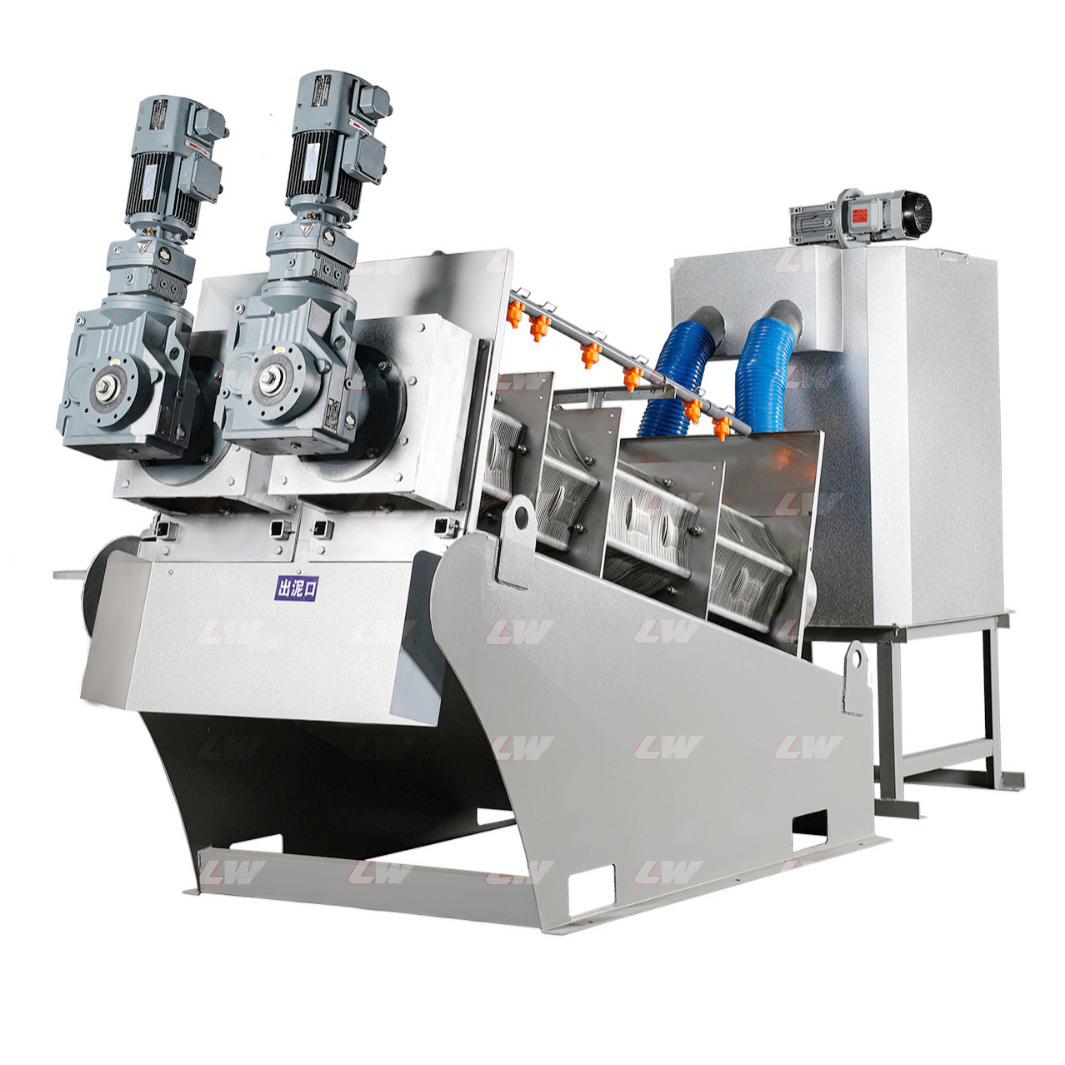
Multi Disc Screw Press with Automatic Cleaning for Organic Wastewater Loway Equipment

Summary

High sludge cake moisture content in screw press systems is a solvable problem — and in over 80% of cases, the root cause is either flocculation mismatch or operating parameters that have not been tuned to current sludge conditions. Equipment replacement is rarely necessary.

Follow this sequence:

  1. Verify polymer type and dosing — this alone resolves the majority of cases
  2. Adjust screw speed, back pressure, and feed rate
  3. Inspect and service rings, screw flights, and inlet weir
  4. For difficult sludge types, add upstream pretreatment


Properly configured and maintained, a screw press dewatering machine should reliably produce sludge cake at 75%–80% moisture content — firm, stackable, and within disposal and transport compliance thresholds.


For technical questions about screw press performance, custom configurations, or OEM partnerships, contact our engineering team

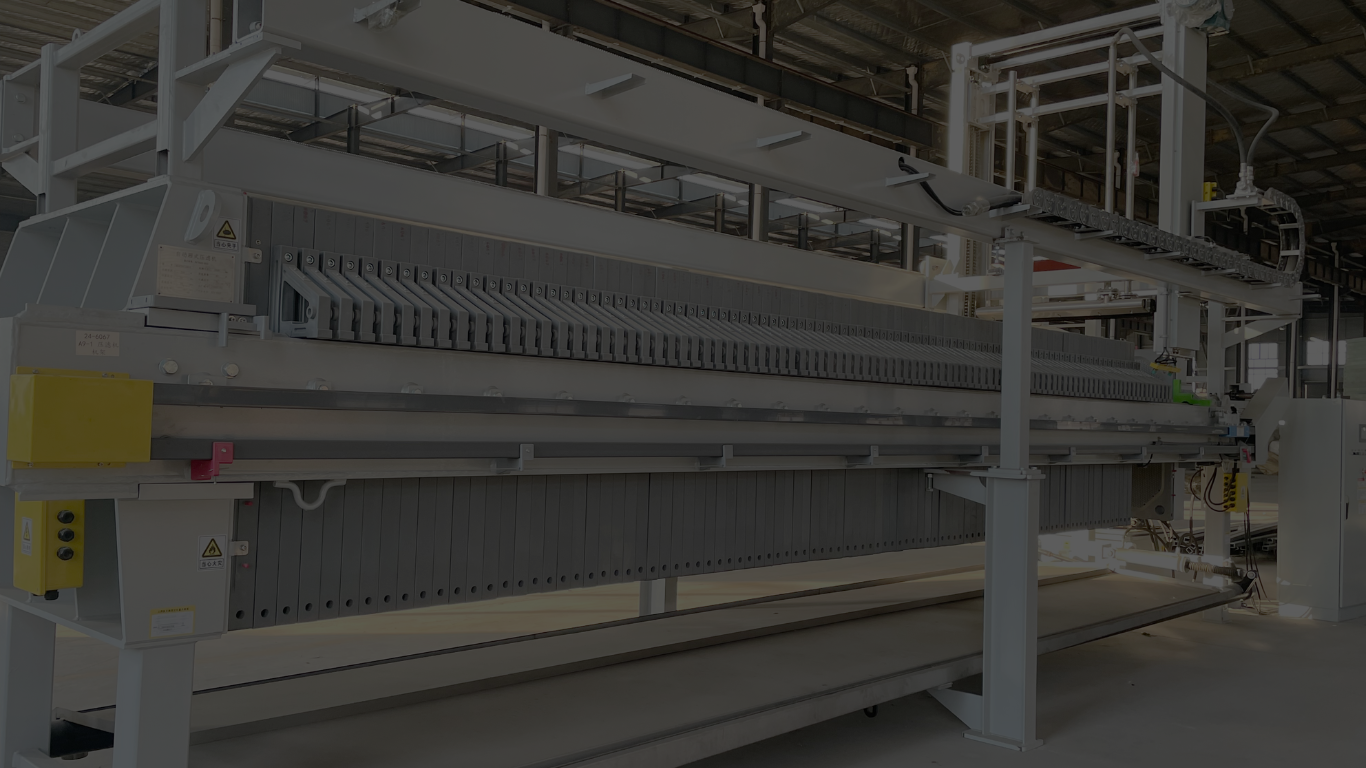
Automatic washing filter press equipment for solid liquid separation Industry application Loway factory China

Specializing in industrial-grade solid-liquid separation, Loway Equipment serves a broad spectrum of global sectors, including mining, chemicals, food processing, petrochemical, pharmaceuticals, and municipal wastewater treatment.

Need filter press proposal

schedule a consultation with our filtration experts

Contact Information