

Vinylon (PVA) Filter Cloth
Vinylon — polyvinyl alcohol fibre, also written PVA — is chosen for one reason: it survives strong alkali. Where polyester hydrolyses and polypropylene creeps at temperature, vinylon holds its structure in caustic duty. It is not an acid cloth, and it should not be sold as one.
- pH window7–14
- Temperature100 °C
- Pore size5–40 µm
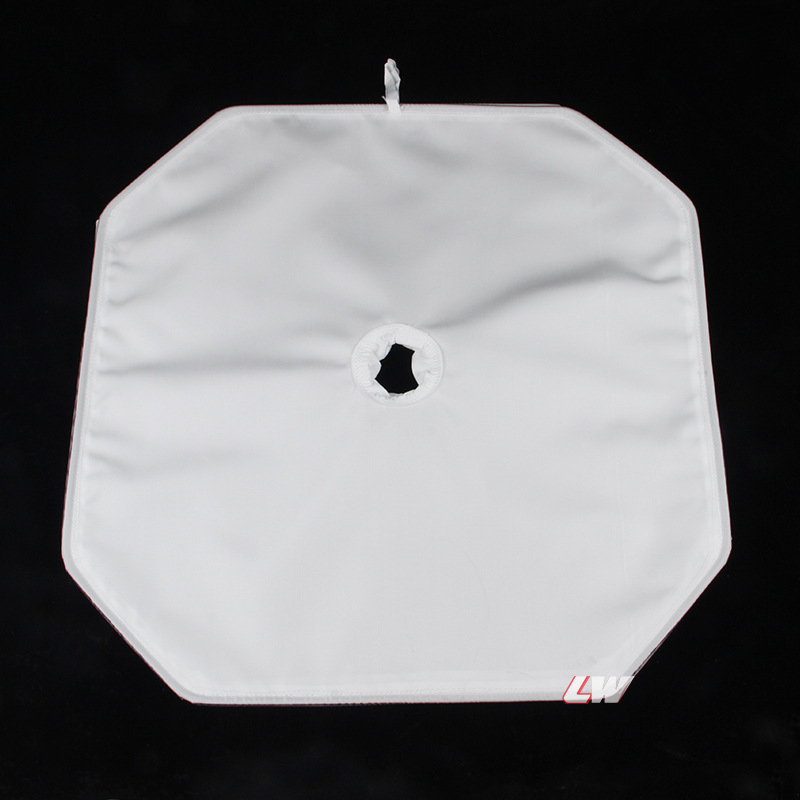
What vinylon is good at
Polyvinyl alcohol fibre is highly hydrophilic: it absorbs water readily, which helps it form a dense filter layer quickly and gives good cake release in alkaline slurry. It resists strong alkali, most salts and many organic solvents, and it bonds well to rubber — the reason it is common in the rubber industry as well as in alumina and caustic circuits.
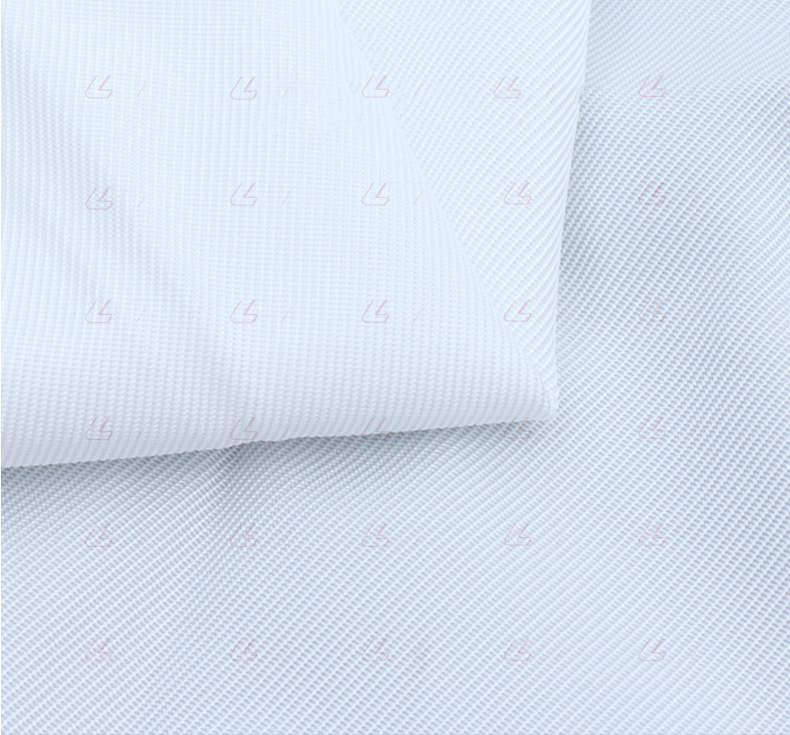
Why not just run polypropylene in caustic?
Polypropylene is chemically comfortable in alkali, so the polymer table suggests it should work. The limit is thermal: hot caustic runs close to or above the temperature where PP creeps, and a creeping cloth loses tension at the feed hole long before it loses chemical resistance.
Vinylon is the opposite trade: it keeps its structure in hot alkaline liquor where PP would creep, and gives up acid resistance to get it. That is the whole selection logic between the two in alkali duty — temperature decides, not pH alone.
What it will not do
Two limits decide where vinylon can be used.
- Acid — vinylon is not an acid cloth. Even moderate acid duty shortens life sharply; use polypropylene or polyester instead.
- Heat and water together — continuous duty is limited to about 100 °C, with softening around 110 °C. Vinylon also loses 10–20% of its strength when wet, and shrinks above 100 °C.
Those are not marketing caveats; they are the reason the cloth works where it does and fails where it does not.
Where vinylon fits
- Alumina and bauxite processing — strongly alkaline red mud circuits
- Caustic soda and alkali liquor — where polyester would fail within weeks
- Rubber and latex processing — the fibre bonds well to rubber compounds
- Alkaline wastewater — pH above 12 where PP is at its temperature limit
What wears vinylon out
Vinylon rarely fails by abrasion. The three causes we see are heat, acid and wet storage. Above the softening point the cloth shrinks and the pore structure closes — on a press this shows up as rising feed pressure and a cake that gets thinner cycle by cycle, not as a visible hole.
The second cause is accidental: an acid descaler or an acidic cleaning pass on a cloth specified for caustic. One exposure does not end the cloth, but repeated contact eats the fibre the same way hot acid duty would. Third, a set stored wet and folded loses strength while it sits; vinylon dries back to full strength, but only if it is actually dried. A cloth that comes off the press intact and fails on refit has usually been stored badly between campaigns.
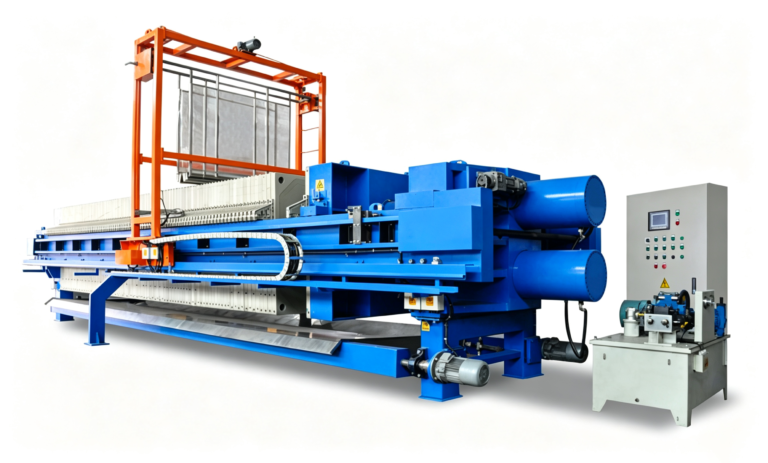
Fitting and care
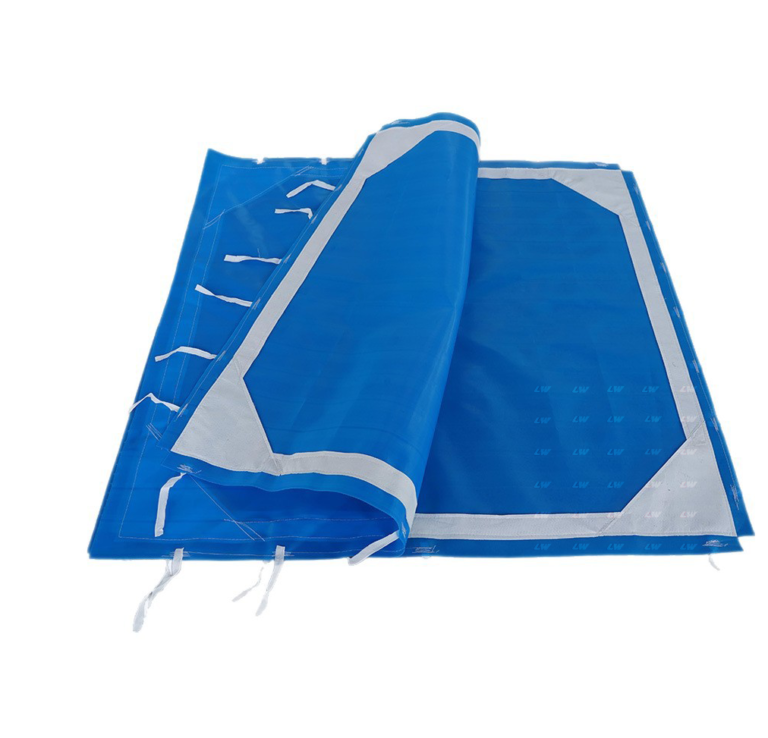
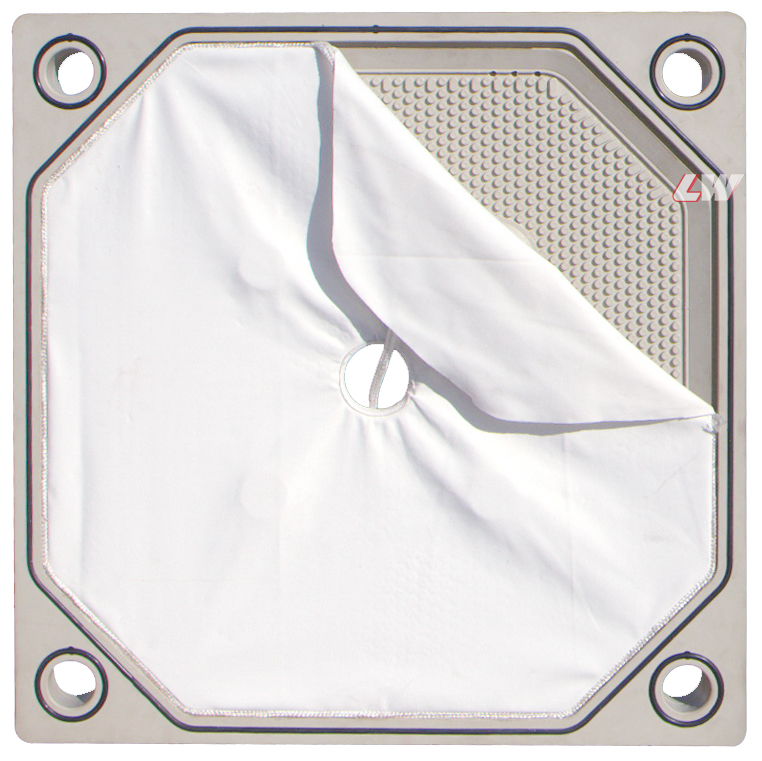
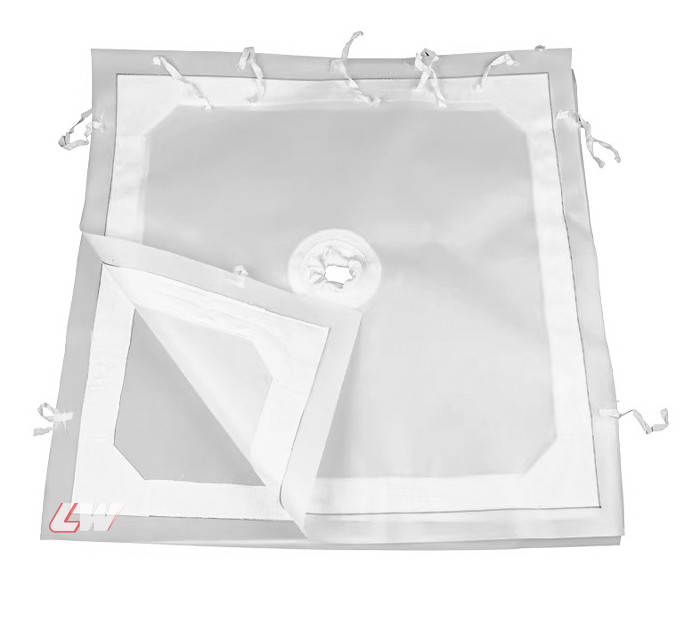
Cut to the plate drawing with the neck or gasket your plates use. Avoid acid cleaning agents entirely, and avoid soaking the cloth between campaigns — vinylon absorbs water and loses strength when wet.
Drying is the part most plants get wrong. A set hung to drip in a damp corner is still losing strength; spread it flat in airflow until it is dry to the touch in the fold, then store it flat. At change-out, measure the cloth across the diagonal: shrinkage from heat exposure shows up here first, before the pore closure shows in the filtrate. A cloth that has shrunk more than about 1% across its length has been running hot and will seal poorly on the next fit.
Specification Range
| Parameter | Range |
|---|---|
| Polymer | Polyvinyl alcohol (PVA / vinylon) |
| Pore size | 5–40 µm |
| Weight | 350–600 g/m² |
| Thickness | 0.6–1.2 mm |
| Air permeability | 20–80 L/m²/s at 200 Pa |
| Continuous temperature | 100 °C (softening ≈110 °C) |
| pH window | 7–14 |
| Weave | Plain, twill, satin |
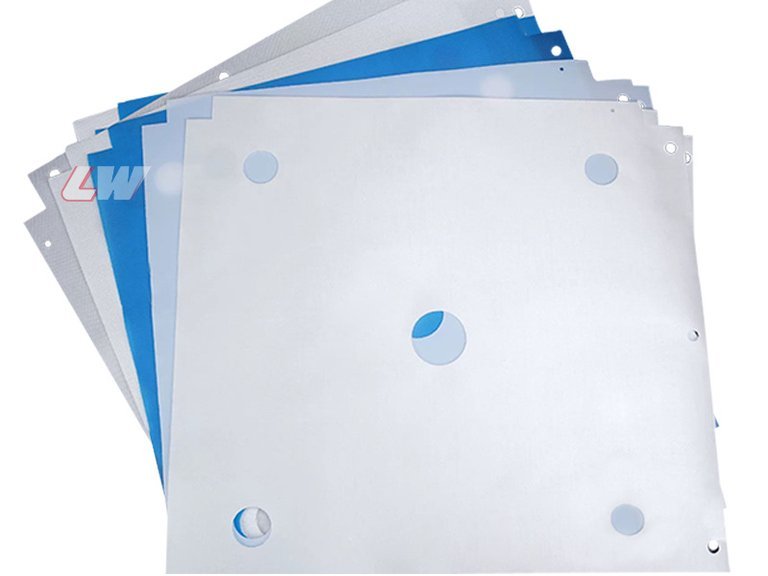
Ranges are common weaving ranges for this cloth family. The final specification is confirmed against your slurry data and plate drawing.
Cloth Finishing at Loway
Weaving, finishing and cutting are handled in our own workshop, so replacement cloth is cut to your plate drawing rather than to a catalogue size.
Request a Quote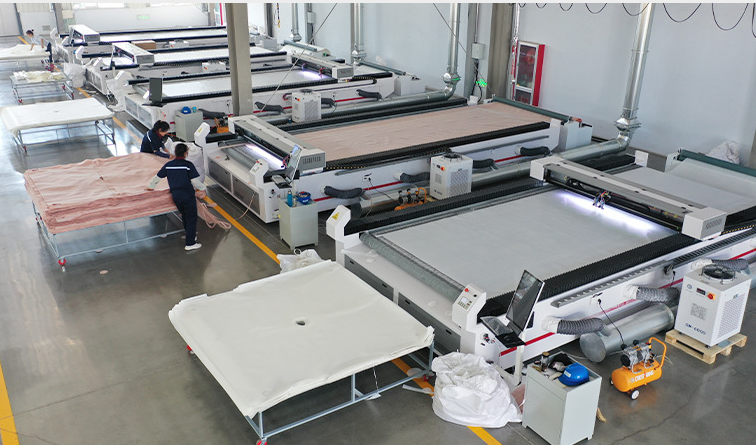
Frequently Asked Questions
Is vinylon the same as Vilen or Vilene?
Vinylon is the standard English name for polyvinyl alcohol fibre; PVA is the common abbreviation. Suppliers have used several transliterations over the years, but the polymer is the same.
Can vinylon be used in acid?
No. It resists alkali, not acid. For acidic duty choose polypropylene or polyester.
Why does the cloth lose strength when wet?
PVA is hygroscopic — it absorbs water into the fibre, which plasticises it. Wet strength is roughly 80–90% of dry strength, which matters when the press is at full clamping pressure.
What is the temperature limit?
About 100 °C in continuous duty, with softening near 110 °C. Above that the cloth shrinks and the pore structure closes.
Is vinylon suitable for food contact?
That depends on the specific grade and documentation. Tell us the application and we will confirm what can be supplied.
Does the wet-strength loss change how I run the press?
It changes the margin, not the method. Wet vinylon holds 80–90% of dry strength, so the cloth still carries normal clamping and feed pressure comfortably. What it cannot carry is a mistake that a dry cloth might shrug off — a misaligned plate, a feed pressure spike, a snag during change-out. Treat handling as the place where wet strength matters.

Get a Cloth Specification
Send your plate drawing and slurry data — pH, temperature and particle size — and we will confirm the structure and polymer.