

Embedded Filter Plates
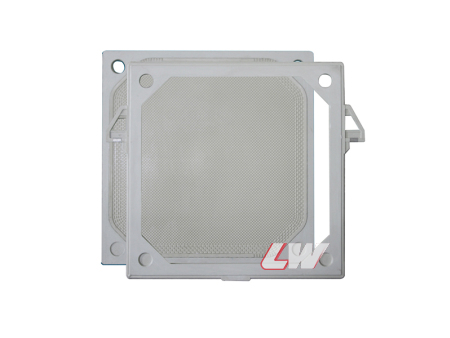
Embedded filter plates are specially designed filtration components used in pressure filtration systems such as plate and frame filter presses. These innovative plates feature a unique design that allows them to be embedded or fixed within a frame, working together with other filter plates to create filtration chambers for efficient solid-liquid separation.
- MaterialHigh-strength polypropylene, stainless steel, or custom materials
- Operating Temperature-10°C to 120°C (material dependent)
- Maximum Operating PressureUp to 1.6MPa (depending on model)
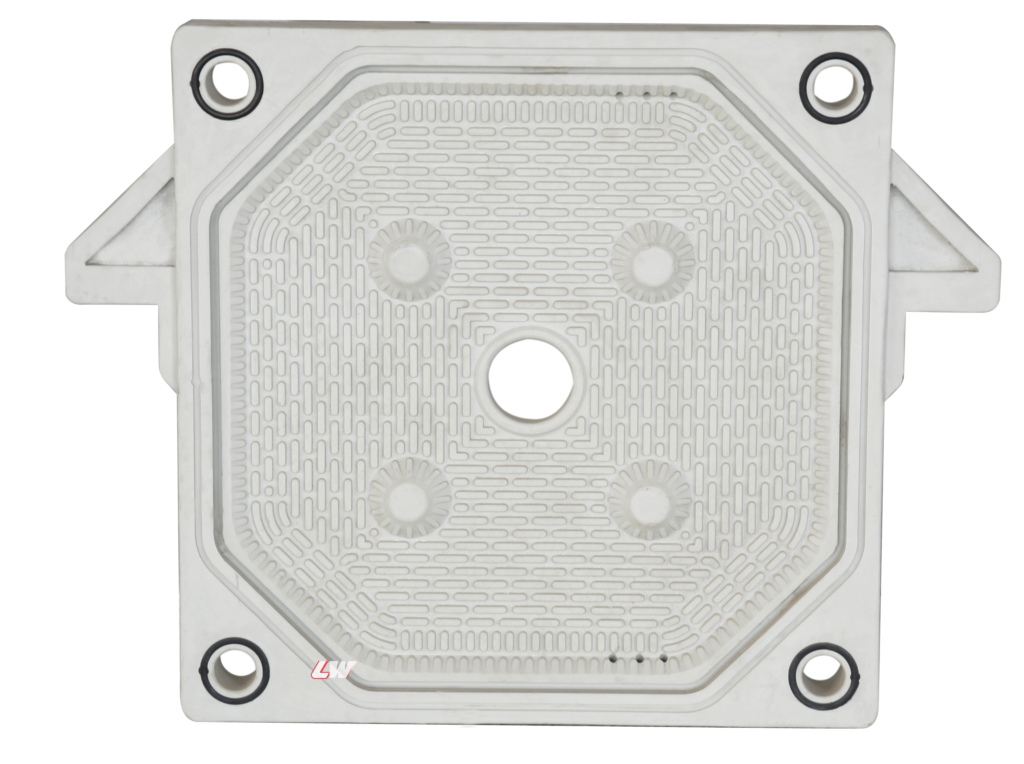
Key Features
Structural Design Embedded Structure
Designed to be securely fitted into a fixed frame or plate assembly, forming sealed filtration chambers Sealing Edges : Features specialized sealing grooves or gaskets to prevent liquid leakage between plates during high-pressure operations Reinforced Support : Includes reinforcement ribs or support structures to withstand pressure during high-pressure filtration processes Fish-tail Grooves : Precision CNC-machined fish-tail grooves around the perimeter with dual channels for enhanced sealing
Material Composition Metals
Stainless steel, aluminum alloys – ideal for corrosion-resistant and high-temperature applications Plastics : Polypropylene (PP), PVC – suitable for applications with moderate chemical properties Ceramics : For extreme temperature environments and highly corrosive conditions High-Strength Polypropylene : One-piece molded construction for durability and chemical resistance
Filtration System Integration Corner Configuration
Three corners serve as liquid outlet holes while one corner functions as an inlet diagonal hole Inlet Connection : The inlet diagonal hole connects with support holes in the plate's recessed wall Filter Cloth Integration : Recessed bottom surface features a circular embedded filter cloth component groove Optimized Flow Design : The recessed bottom surface is positioned lower than the inlet support holes
Technical Specifications
| Parameter | Specification |
|---|---|
| Material | High-strength polypropylene, stainless steel, or custom materials |
| Operating Temperature | -10°C to 120°C (material dependent) |
| Maximum Operating Pressure | Up to 1.6MPa (depending on model) |
| Filter Area | 0.5m² to 2.0m² per plate (model dependent) |
| Plate Thickness | 25mm to 50mm |
| Standard Sizes | 500×500mm, 630×630mm, 800×800mm, 1000×1000mm, 1250×1250mm, 1500×1500mm |
| Filtration Precision | 1-100 microns (depending on filter cloth selection) |
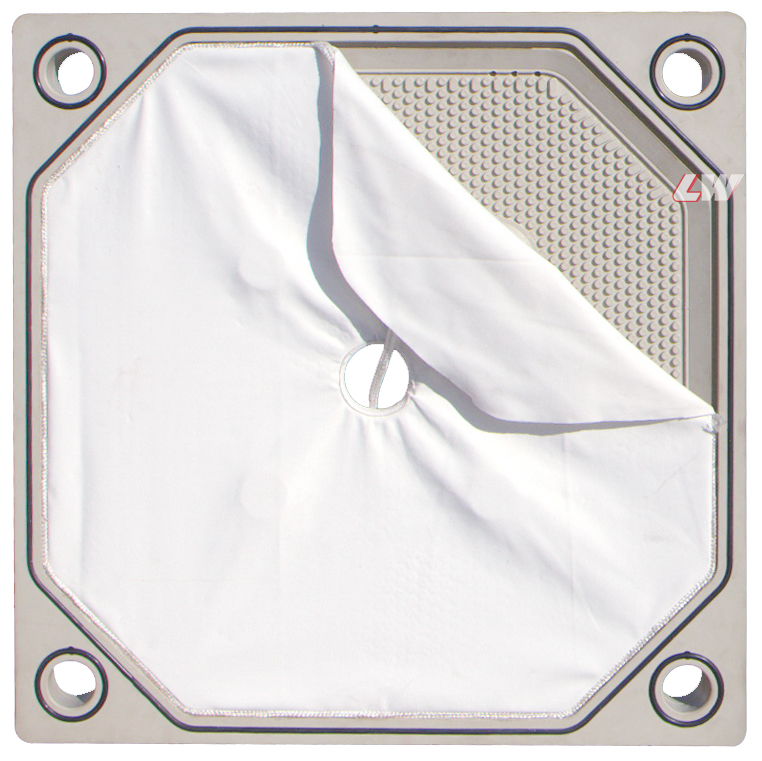
Key Technology Behind Loway Automated Filter Presses
Pressure Filtration Mechanics Automated filter presses use mechanical pressure to force liquids through filter media, typically filter cloths, while retaining solids. The pressure squeezes liquid from the slurry, creating increasingly dry solid cakes. Automation Control Systems Modern filter presses utilize sophisticated PLCs that control the entire operation from feeding to cake discharge. These systems monitor pressure, flow rates, and cycle times while making real-time adjustments for optimal performance. Filter Media Technology High-performance synthetic filter cloths with precise micron ratings ensure effective solid capture while allowing clear filtrate to pass through. Advanced media options include chemical-resistant materials for aggressive applications.
Advanced Technology
Closed System Design
Prevents evaporation of volatile substances and contamination
Precision Engineering
CNC-machined components ensure exact fit and optimal sealing
Integrated Filter Cloth System
The filter cloth fits precisely into engineered grooves for leak-free operation
Optimized Flow Dynamics
Specially designed inlet and outlet configurations maximize filtration efficiency
Key Advantages
- High Filtration Efficiency: Forms sealed filtration chambers for improved performance.
- Automation-Friendly: Embedded design facilitates automated operations, reducing manual labor.
- Customizable: Size, shape, and material can be customized for specific filtration requirements.
- Corrosion Resistance: Suitable for pesticides, chemicals, strong acids, strong alkalis, and other corrosive or volatile industries.
- One-Piece Construction: High-strength polypropylene molded in one piece for durability.
- Leak-Free Operation: Advanced sealing system prevents leakage under pressure.
- Extended Service Life: Durable construction ensures long operational life.
Industry Applications of Embedded Filter Plates
Advanced media options include chemical-resistant materials for aggressive applications.
They are widely used in the chemical, food and beverage, pharmaceutical, environmental, petrochemical, and metallurgical industries, among others, where efficient and reliable filtration is critical.
They are widely used in the chemical, food and beverage, pharmaceutical, environmental, petrochemical, and metallurgical industries, among others, where efficient and reliable filtration is critical.
Each chosen based on the specific application and environmental requirements
Plate Manufacturing at Loway
Plate packs, cloth fitting and press assembly are handled in our own workshop, so replacements are matched to the drawing or sample you send rather than to a catalogue number.
Request a Quote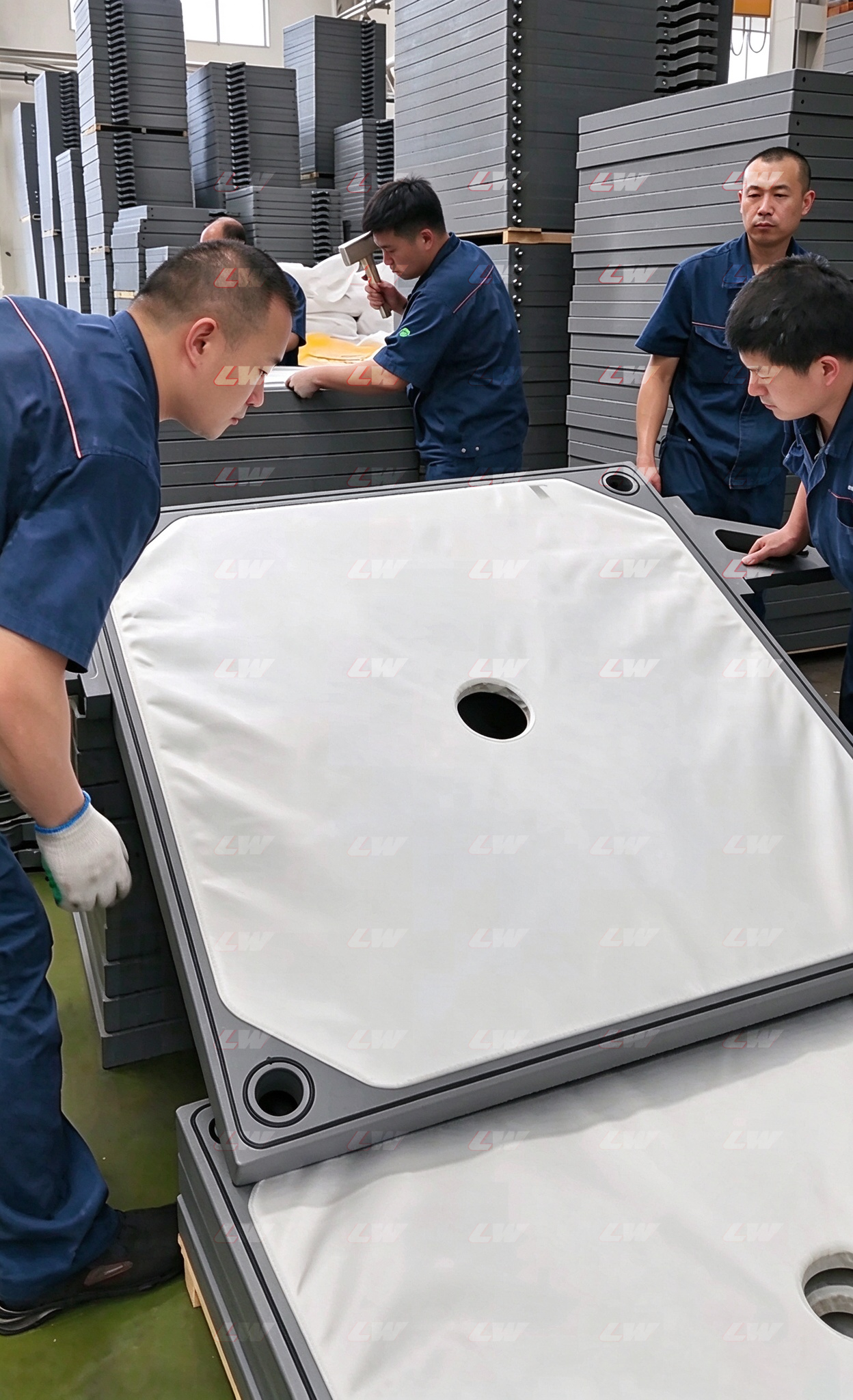
Frequently Asked Questions About Embedded Filter Plates
Q1: How does an embedded filter plate differ from a standard chamber plate?
Embedded plates are fitted into a fixed frame or plate assembly, where they form sealed filtration chambers together with the surrounding plates. The perimeter carries precision CNC-machined fish-tail grooves with dual channels, so sealing comes from the plate edge itself rather than a separate gasket.
Q2: How is the filter cloth fitted on an embedded plate?
The recessed bottom surface carries a circular embedded groove that locks the filter cloth in place. This keeps the cloth flat and registered during high-pressure filtration, which supports uniform cake formation.
Q3: What sizes and filtration precision are available?
Standard sizes run from 500×500 mm up to 1500×1500 mm, with plate thickness between 25 and 50 mm. Filtration precision ranges from 1 to 100 microns depending on the filter cloth selection.
Q4: What pressure and temperature can they handle?
Operating temperature is -10°C to 120°C depending on the material, and maximum operating pressure reaches 1.6 MPa depending on the model. High-strength polypropylene covers most chemical duties; stainless steel or ceramic options suit more extreme conditions.
Q5: How long does an embedded plate last?
Under normal operating conditions the expected service life is 3 to 5 years. Abrasive slurries and high cycle frequency shorten it, so we recommend checking the plate surface at each cloth change.


Get a Quote
Contact our team of filtration specialists today to discuss how our filter press solutions can address your specific solid-liquid separation challenges.