

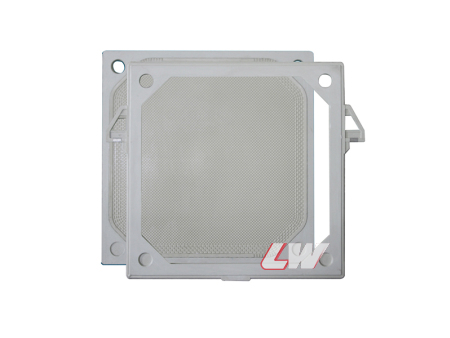
Composite Rubber Filter Plates
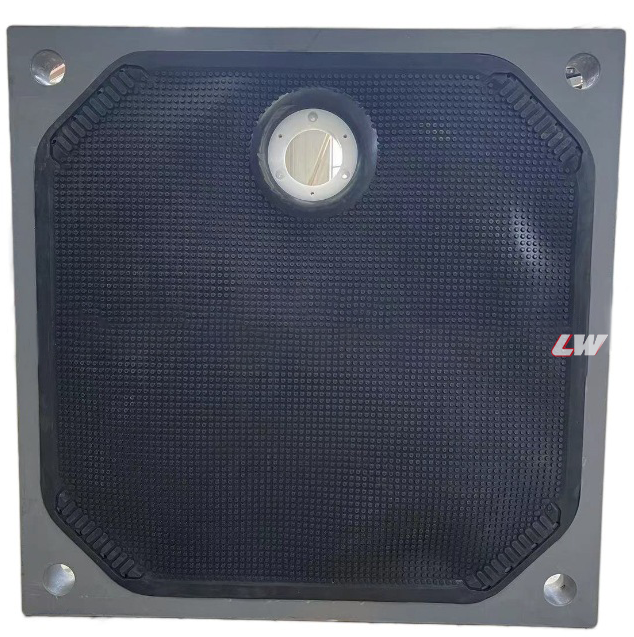
Combining high-quality chloroprene rubber with a robust steel frame, our filter plates are designed using advanced composite molding and vulcanization techniques to deliver superior performance and long-lasting durability.
- MaterialChloroprene rubber with steel frame
- Operating PressureUp to 16 bar (customizable)
- Temperature Resistance-10°C to 80°C
Key Features
High-Quality Materials
Manufactured from chloroprene rubber paired with a durable steel framework for exceptional stability.
Superior Sealing Performance
Ensures tight seals to prevent leakage and maintain optimal pressure during filtration.
Enhanced Strength & Durability
Offers high mechanical strength with resistance to acids, alkalis, extreme temperatures, and aging.
Extended Service Life
Designed for over 5 years of use, reducing the need for frequent replacements.
Cost-Effective Maintenance
Allows for multiple re-gluing cycles, lowering overall maintenance costs.
Improved Filtration Efficiency
The composite design not only maintains the sealing integrity of the rubber plate but also enhances the filtration performance of the polypropylene diaphragm plate, resulting in lower filter cake moisture.
Technical Specifications
| Parameter | Specification |
|---|---|
| Material | Chloroprene rubber with steel frame |
| Operating Pressure | Up to 16 bar (customizable) |
| Temperature Resistance | -10°C to 80°C |
| Chemical Resistance | pH 2-12 |
| Expected Lifespan | 5+ years under normal operating conditions |
| Plate Dimensions | Customizable based on requirements |
| Surface Finish | Smooth, non-stick |
| Sealing Type | Peripheral seal with optimized design |
Advanced Diaphragm Technology
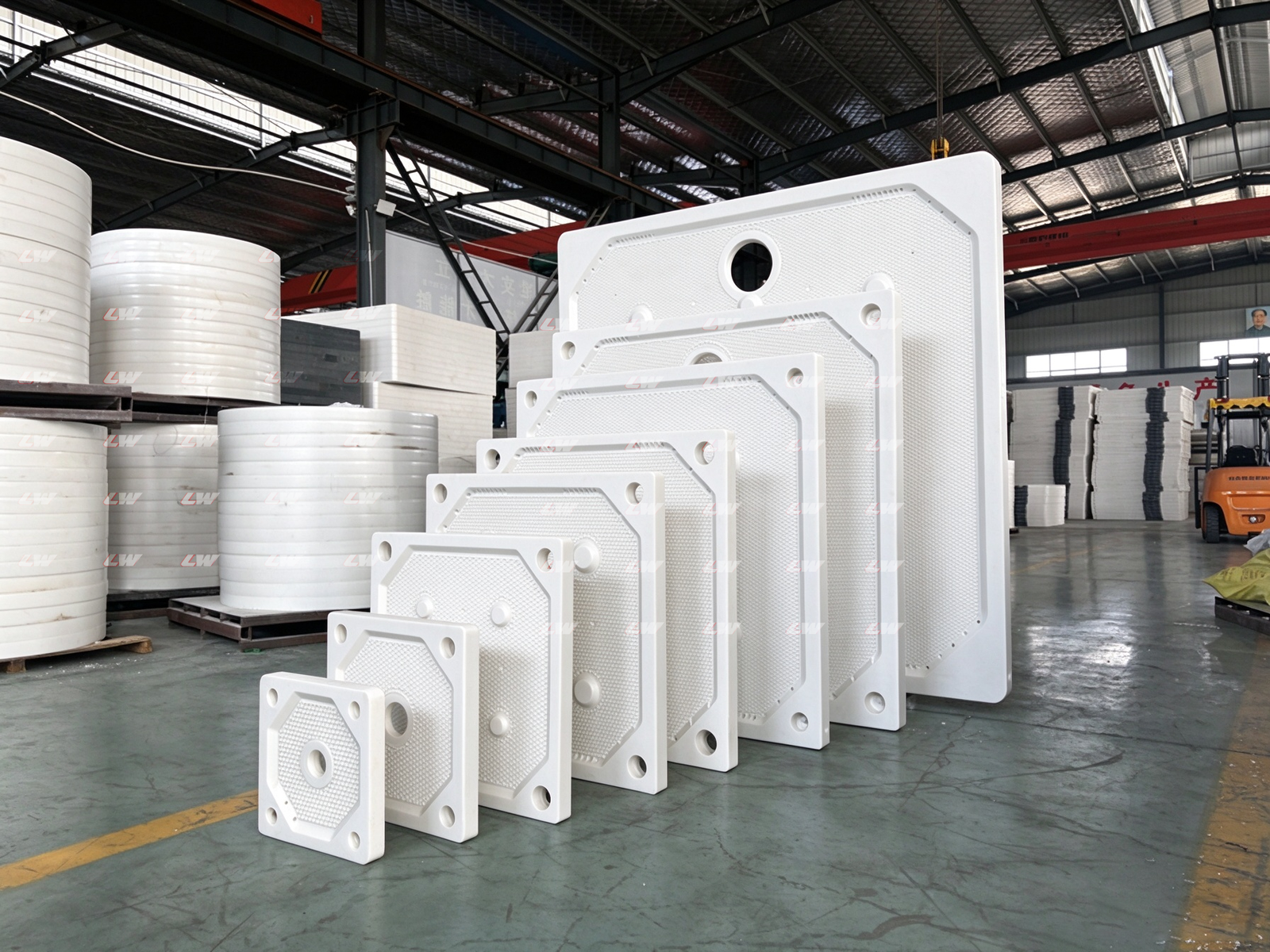
Our composite rubber diaphragm filter plates combine the excellent sealing properties of rubber plates with the pressing performance of reinforced polypropylene diaphragm plates.
Wider application range
Superior filtration effects
Lower moisture content in filter cakes
Technical Parameters & Specifications
- Material Composition: High-grade chloroprene rubber and steel framework.
- Manufacturing Process: Composite molding and vulcanization.
- Sealing Efficiency: Superior sealing to ensure minimal leakage.
- Chemical Resistance: Withstands acidic, alkaline, and high-temperature environments.
- Service Life: Designed for over 5 years of continuous operation.
- Maintenance: Capable of multiple re-gluing cycles for extended reuse, leading to low overall maintenance costs.
- Filtration Performance: Optimized design reduces filter cake moisture, improving overall filtration quality.
Industry Applications of Composite Rubber Filter Plates
Offers high mechanical strength with resistance to acids, alkalis, extreme temperatures, and aging.
Rubber-faced plates absorb impact and resist wear in coarse, high-solids tailings duty, where standard PP faces would wear prematurely.
Plate Manufacturing at Loway
Plate packs, cloth fitting and press assembly are handled in our own workshop, so replacements are matched to the drawing or sample you send rather than to a catalogue number.
Request a Quote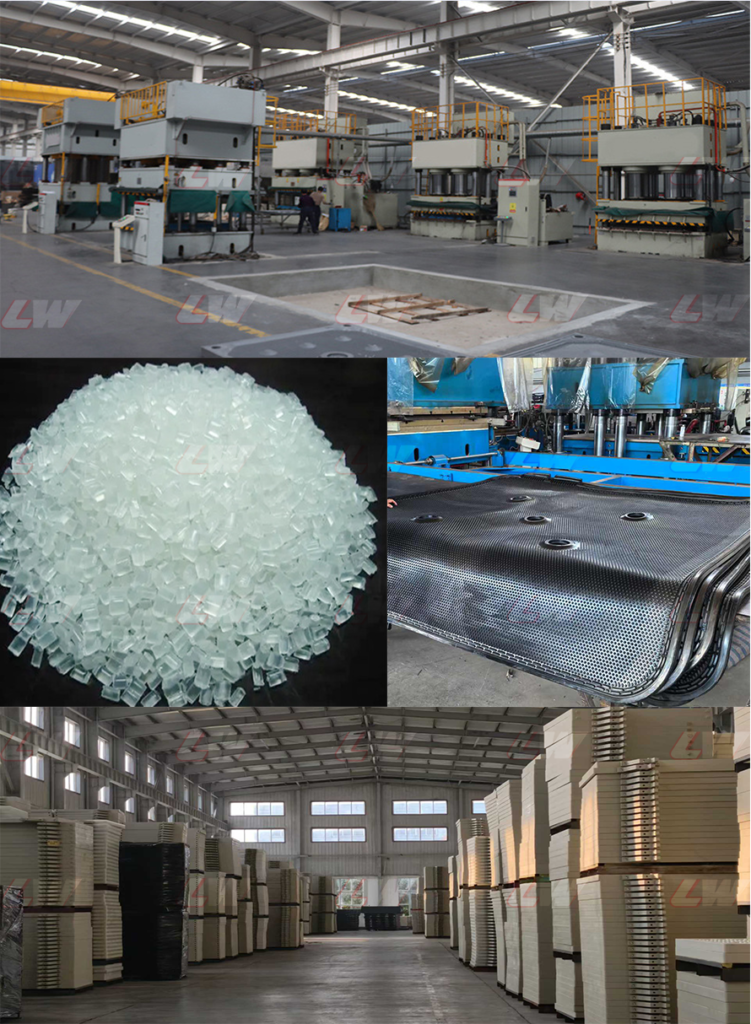
Frequently Asked Questions About Composite Rubber Filter Plates
Q1: Why a rubber-faced plate instead of solid polypropylene?
The chloroprene rubber face gives an elastic, tight seal against the mating plate, while the internal steel frame carries the mechanical load. This combination suits abrasive slurries and duties where the pack is opened frequently.
Q2: What pressure, temperature and chemistry can they take?
Working pressure goes up to 16 bar, temperature from -10°C to 80°C, and chemical resistance covers pH 2 to 12.
Q3: How long do they last, and can they be repaired?
Expected service life is over 5 years under normal operating conditions. The rubber face can be re-glued multiple times, which keeps replacement costs down compared with swapping a whole plate.
Q4: What is the composite diaphragm version for?
It combines the sealing of the rubber plate with the pressing performance of a reinforced polypropylene diaphragm. Squeezing the diaphragm after the feed phase lowers final cake moisture.
Q5: How are they manufactured?
By composite molding and vulcanization: the chloroprene rubber is bonded to the steel framework in one process, so face and core stay joined through repeated pressure cycles.


Get a Quote
Contact our filtration specialists for plates matched to your press and process.