Coarse Screening · Headworks
Rotary Bar Screen (Multi-Rake Type)
A chain-driven rotary bar screen built for the first job that has to be done right at the headworks: pulling rags, wipes, wood and plastics out of the flow before they reach your pumps. Multiple rakes on a continuous loop clean the bar rack every few seconds — so peak storm flow does not normally outrun the screen.
Where It Fits
Where a rotary bar screen is the right screen
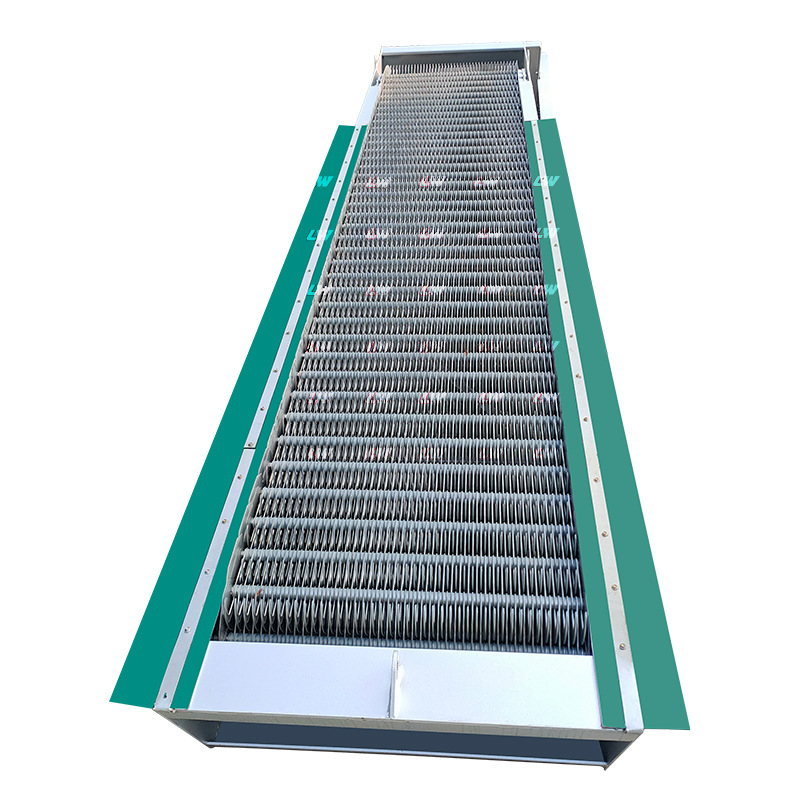
A rotary bar screen — also called a multi-rake bar screen, a chain-driven bar screen or a mechanical bar screen — is the coarse, high-load machine at the head of a treatment train. It earns its place in deep channels and at sites with a heavy, variable debris load.
It is recommended for deep channels and a heavy, variable debris load. Where the channel is shallow and the load is light, or where the site has no disposal route for screenings, a step screen or a grinder usually runs with less to maintain. Set against a static bar rack, a multi-rake rotary bar screen keeps a continuous cleaning cycle running across the full channel width, so head loss stays steady through the day instead of spiking between rake passes. That matters most where the screen protects rotating equipment downstream — a rag that slips past the headworks is a pump rebuild, a heat-exchanger blockage, or a plant bypass waiting to happen.
Continuous cleaning, not batch cleaning
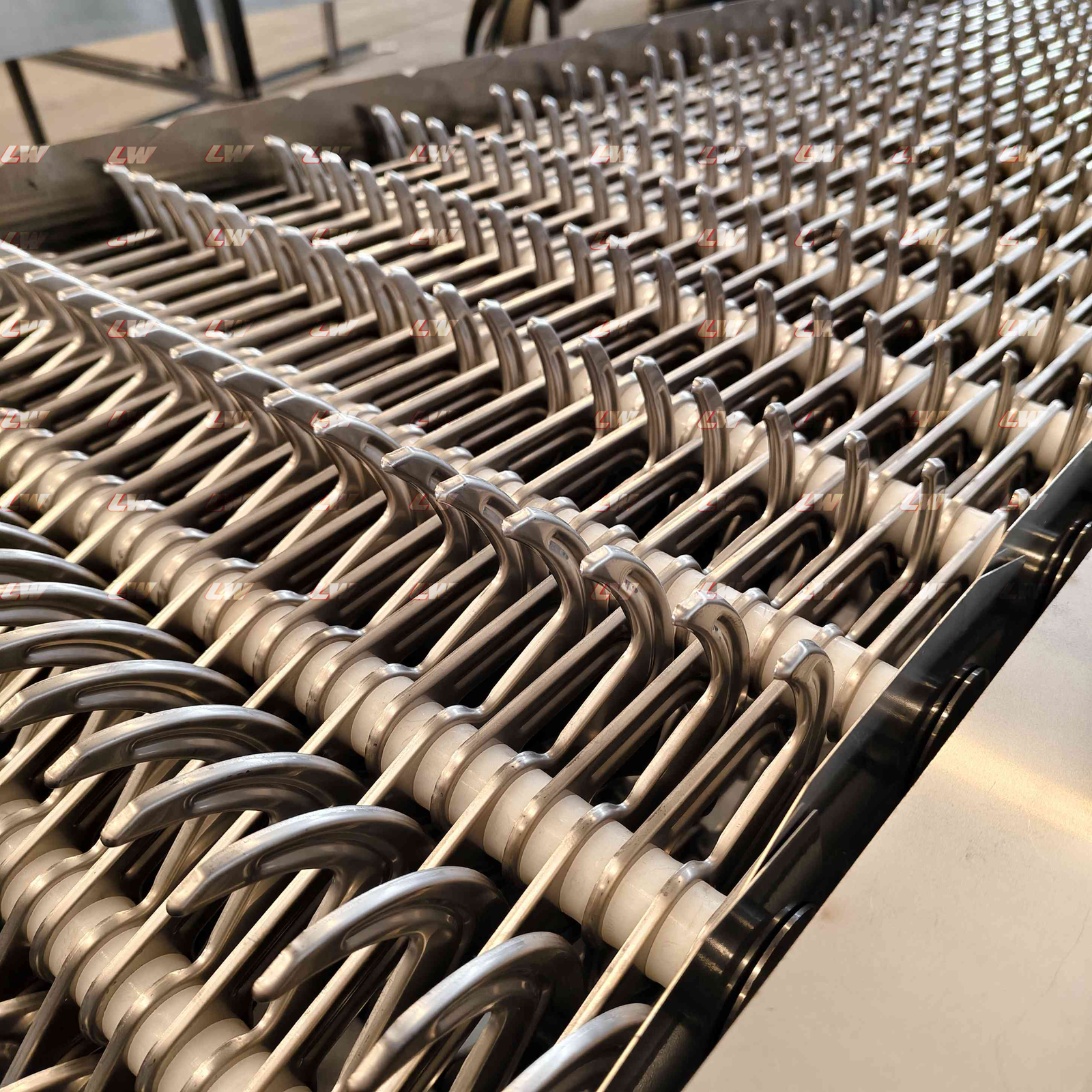
On a rotary bar screen, multiple rake teeth travel the bar rack on the same chain loop, so the rack is swept roughly every few seconds rather than once per cycle. Debris does not sit long enough to blind the bars.
Built for deep channels and high loads
Heavy-duty frames and a rigid bar rack are why a rotary bar screen suits deep headworks channels and high solid loads, which is where light-duty screens start to deflect, jam or wear through their guides.
Working Principle
How a multi-rake bar screen works
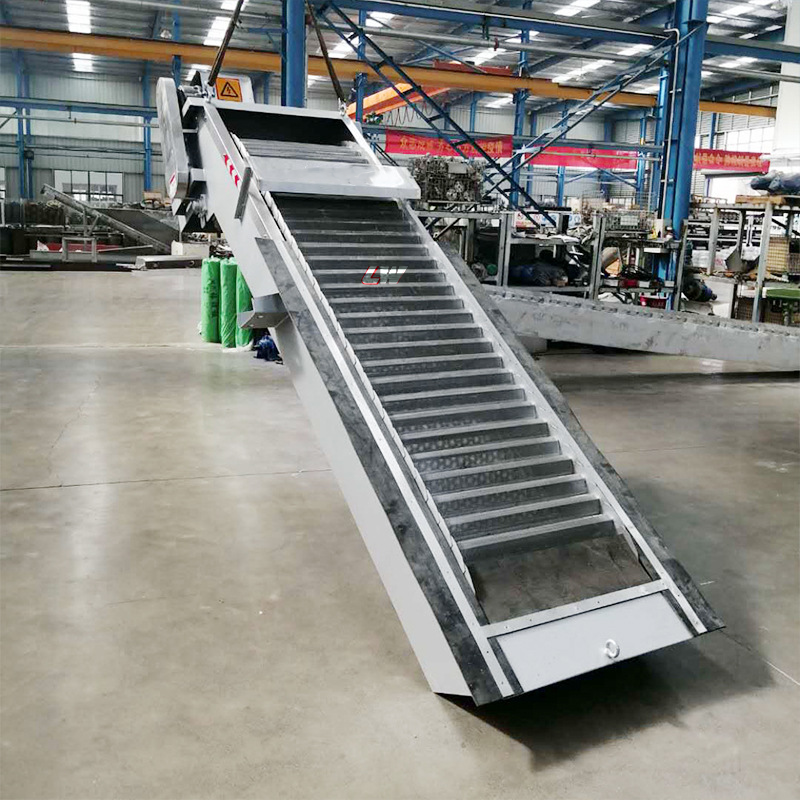
A rotary bar screen is a stationary bar rack plus a moving cleaning mechanism: a set of rake teeth mounted on a heavy-duty drive chain that runs the length of the rack and back. Water passes through the rack at an approach velocity of roughly 0.6–1.2 m/s, fast enough to carry solids to the bars without driving them through the gaps.
Interception
Wastewater flows through the stationary bar rack. Solids coarser than the bar gap — branches, bottles, wipes, rags — are held on the upstream face of the bars.
Raking
The rake teeth ride the chain down the rack face and comb the captured solids upward, penetrating between the bars so nothing is left lodged in the gap.
Discharge
At the top of the travel the rakes strip the screenings onto a discharge chute, belt or container. The chain returns down the back of the frame for the next pass.
Design Detail
Built for continuous duty in the channel
Four machine-level details decide whether a rotary bar screen survives the years at the headworks or becomes a maintenance line item.
Overload protection on the drive
An electromechanical overload device watches motor current. If a heavy object jams the rake, the drive stops and reverses instead of stalling the gearbox or shearing the chain; a shear pin backs it up. The alarm signal goes to your control panel.
Teardrop-profiled bars
Bar section sets the energy loss more than bar count. A teardrop profile has a shape factor of about 0.76 against roughly 2.42 for a sharp rectangular bar, so the same opening carries more flow for less head loss — and the leading edge sheds debris instead of trapping it.
Heavy-duty roller chain
The chain-driven rake assembly runs on high-tensile roller chain specified for wet, abrasive and mildly corrosive service, with a take-up adjustment that keeps chain tension stable and cuts re-tensioning visits.
Optional full enclosure
The above-water section can be fully enclosed in stainless steel for odour control and operator safety — standard practice on covered or indoor headworks.
Manufacturing
How Loway builds the rotary bar screen
Loway has manufactured solid-liquid separation equipment since 2017. Every rotary bar screen is welded, machined and tested in our own workshop before it is crated.
01 Precision laser cutting
Frame components and rake teeth are laser-cut so rake-to-bar clearance is consistent. Uniform clearance is what prevents tooth skipping and premature chain wear.
02 Full-penetration welding
The load-bearing frame is welded with full penetration so it holds its geometry under hydraulic load and long-term immersion rather than distorting at the joints.
03 Pickling & passivation
After welding, stainless parts pass through acid pickling and passivation to restore the passive oxide layer and remove weld discolouration — the usual starting point for corrosion.
04 Dry-run acceptance test
No unit ships without a dry run on our floor, where chain tension, motor current and running noise are checked and recorded before crating.
Engineering Data
Rotary bar screen specifications
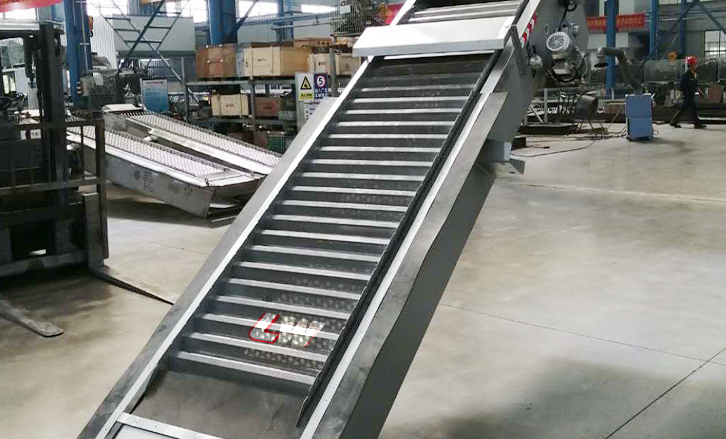
Every rotary bar screen is built to the channel, so the table below sets the working envelope rather than a fixed catalogue number. Standard channel width is 500 – 3,000 mm; wider channels up to 4,000 mm are built to order.
| Parameter | Specification |
|---|---|
| Model series | LW-RBS (rotary bar screen, multi-rake) |
| Bar gap | 5 / 10 / 20 / 30 / 50 mm standard; intermediate sizes built to order |
| Channel width (W) | 500 – 3,000 mm standard; up to 4,000 mm on request |
| Discharge height (H) | 800 – 10,000 mm, suited to deep headworks channels |
| Installation angle | 60° – 85° (75° standard) |
| Frame & bar material | SS304 standard; SS316L or Duplex 2205 for chloride service |
| Rake teeth | Wear-resistant alloy, replaceable |
| Drive | Chain-driven rake assembly, geared motor with overload protection; IP67 |
| Control | PLC panel with level-differential and timer control modes; panel IP55, IP65 for outdoor mounting |
| Side sealing | Replaceable EPDM / neoprene seals against the channel wall |
Gap size sets what the screen captures; channel width and depth set the model. Send us the channel drawing and design flow and we will return a general arrangement (GA) drawing with the sizing worked through.
Where It Runs
Bar screen applications: pump stations, stormwater and industrial intakes
The rotary bar screen is the coarse stage of the treatment train. What changes between projects is the channel, the debris load and how the screenings leave — not the machine.
Deep headworks channels
Inlet channels three to six metres deep, where the rotary bar screen rake travels a long way and the frame has to stay rigid under load. Discharge height is matched to your operating platform, up to 10,000 mm. This is the classic setting at a municipal sewage works.
Sewage pump stations and lift stations
Where a rotary bar screen sits inside a wet well or a small chamber and protects the pumps directly. A compact frame and a low discharge height keep the station footprint small. Where there is no room to store screenings at all, a channel grinder replaces the screen.
Stormwater and combined sewer overflow
Peak flow arrives in minutes and brings a debris surge with it. On a rotary bar screen, the continuous multi-rake cleaning cycle is what keeps the rack clear through the first flush, and the channel is laid out with a bypass or overflow weir so flow is not blocked while the screen is serviced.
Industrial intake and process water
River, lake and cooling-water intakes on mine sites and power plants, where the opening is set by what must not reach the downstream process and the wetted material is upgraded to SS316L or Duplex 2205 for chloride service.
Pulp and paper mills
Coarse plastic rejects and tramp wire lifted out ahead of finer screening, with the fiber fraction downstream recovered rather than sent to landfill.
Selection
Multi-rake bar screen vs climber screen
Both clean a bar rack. On a rotary bar screen the difference is how often the rack is cleaned — and that difference shows up on the worst day of the year, not the average one.
| Criteria | Multi-Rake (this unit) | Single-Rake Climber |
|---|---|---|
| Rakes per pass | Several rakes on one chain loop | One rake arm |
| Cleaning frequency | Continuous — seconds | Once per full travel cycle |
| Peak storm flow | Keeps pace with rising debris load | Can be overwhelmed between passes |
| Best fit | Headworks, pump stations, deep channels | Small channels, low and steady flow |
| Head loss behaviour | Stable through the day | Rises between rake cycles |
Sizing
What we need to size your bar screen
A rotary bar screen is built to the channel, so these are the inputs that set the model, the gap and the discharge arrangement.
- Channel width and channel depth
- Design flow and peak flow (m³/h or m³/s)
- Upstream water level, including the highest flood level
- Required bar gap and the solids you expect to screen out
- Discharge height and how screenings will be conveyed away
- Installation angle and available headroom above the channel
- Water chemistry — chlorides decide SS304 vs SS316L or Duplex
- Odour control — whether the above-water section must be enclosed
Share a channel cross-section and we will work through the hydraulics with you. For the wider selection logic across mechanical bar screens, drum screens and grinders, see our mechanical screening equipment range overview.
Technical FAQ
Rotary bar screen questions, answered
The questions engineers actually ask us during selection. If yours is not here, send it with your channel drawing.
Q1. What bar gap should I specify for a bar screen?
Q2. What head loss does a rotary bar screen add to the channel?
Q3. What is the advantage of a multi-rake screen over a single-rake climber screen?
Q4. How does the automatic control logic work?
Q5. What happens if a large object jams the rake?
Q6. Can the screen be pivoted out of the channel for maintenance?
Q7. Does the equipment need a recess cut into the concrete channel?
Q8. How do you stop waste bypassing the screen at the channel walls?
Q9. Can you build the screen in SS316L for a seawater or coastal intake?
Q10. What is the lead time for a custom-sized unit?
Still deciding? Our engineering team can review your channel data and recommend the right screen type — see who you will be working with on the engineering team page.
Next Step
Send us your channel dimensions and flow rate
Our engineers will size the rotary bar screen to your channel and return a general arrangement drawing with a quotation. Tell us the channel width, depth and design flow and we will take it from there.
Request a Technical QuoteRelated Equipment
Where the coarse screen fits in the line
A rotary bar screen is the first stage. These are the units that follow it — and the hub that covers the whole mechanical screening range.
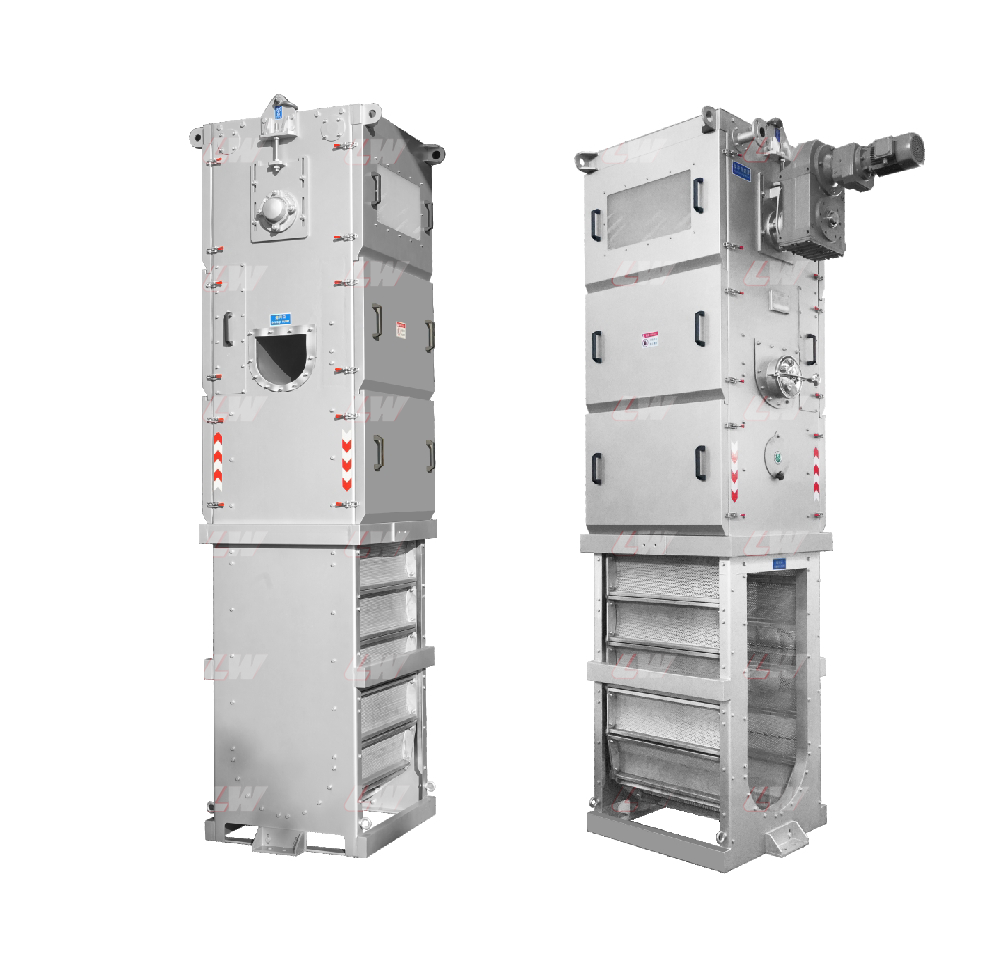
Mechanical Screening Equipment
The full screening range and how the stages fit together.
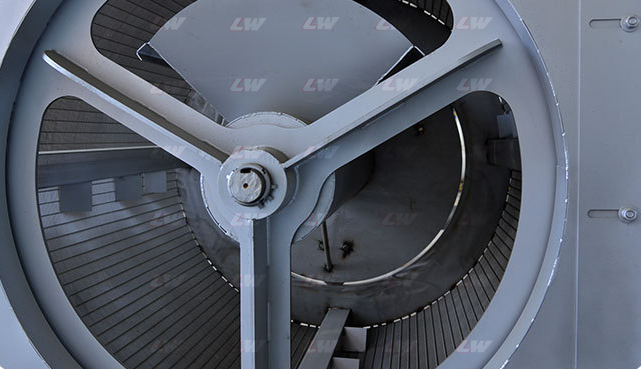
Rotary Drum Screen
Fine screening downstream of the coarse bar screen.
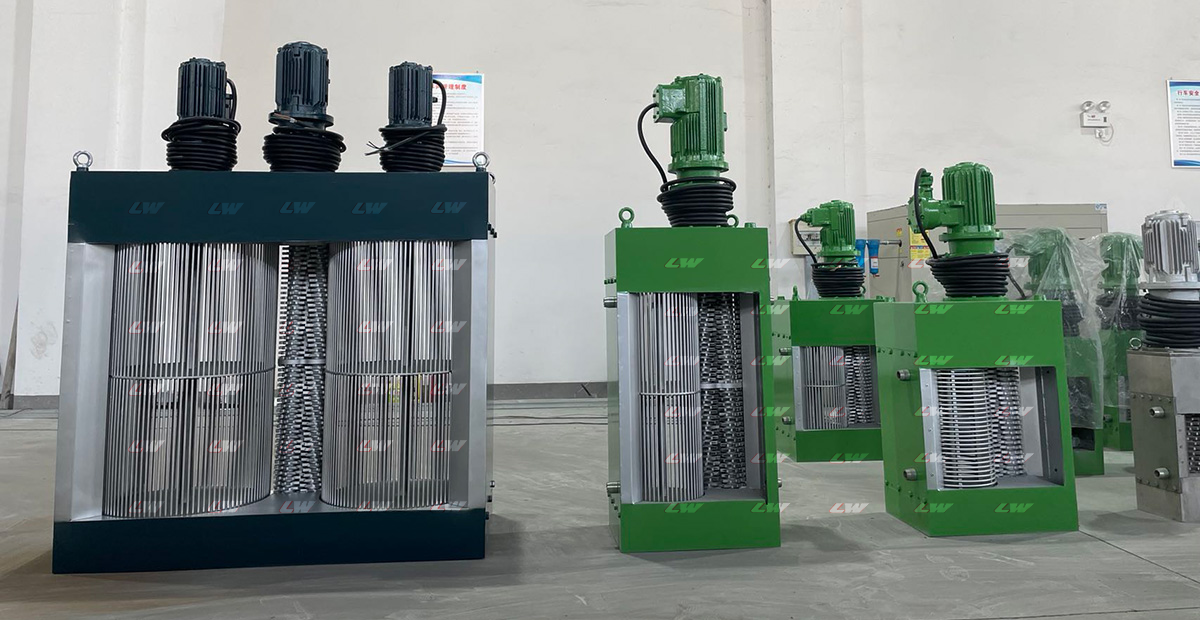
Twin-Shaft Channel Grinders
Where solids stay in the flow instead of being removed.
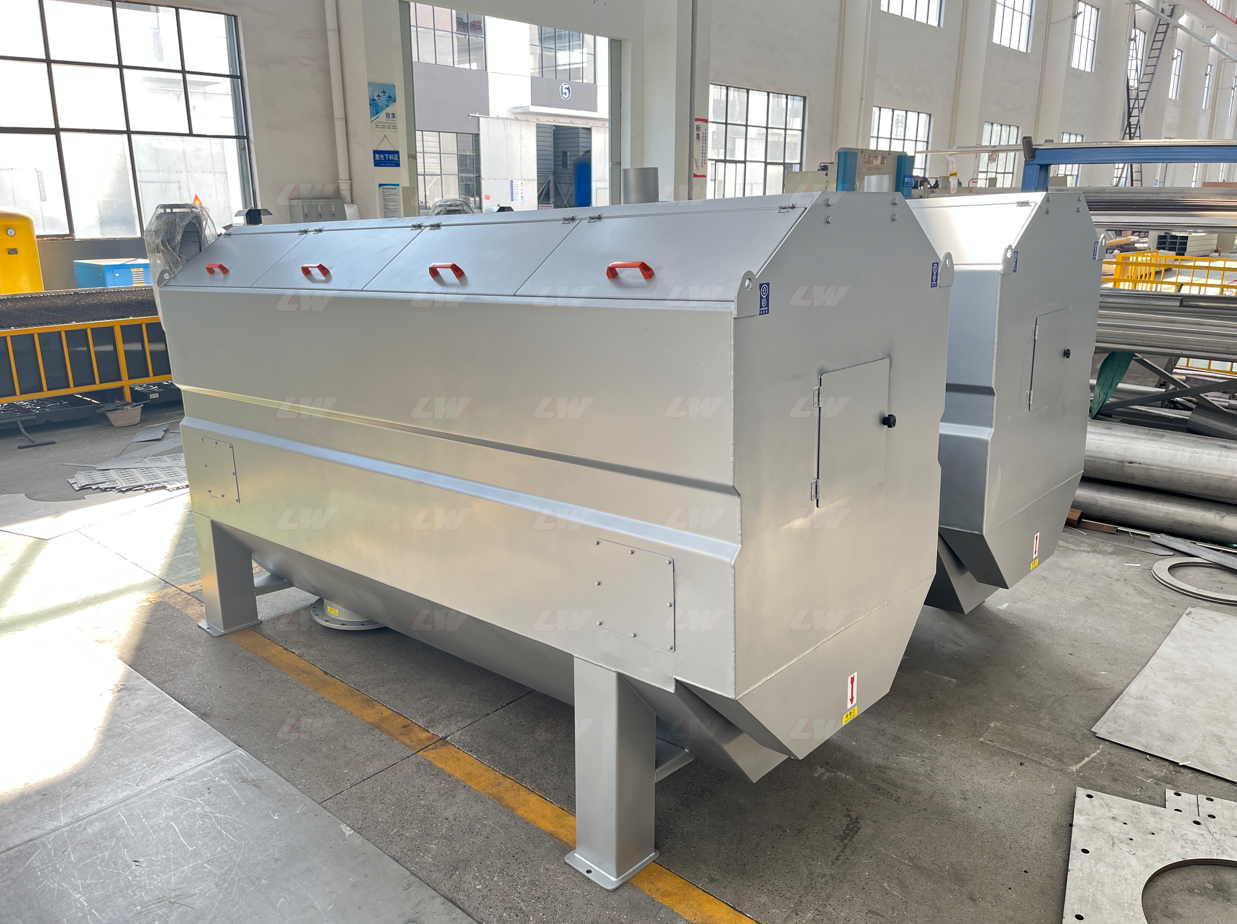
Rotary Drum Filter
Micro-screening from 10 µm for water reclamation.