

Lab Filter Press for Bench Trials and Pilot Scale-Up
Run the same batch pressure filtration as a production press, on five litres instead of fifty cubic metres. Loway lab units turn a small slurry sample into cake moisture, cycle time and cloth data — the numbers that decide the size of the plant.
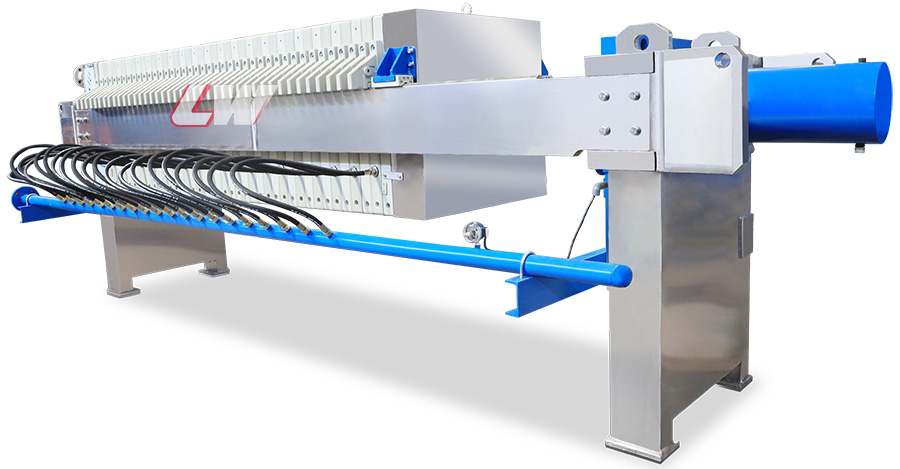
Who Runs a Bench Filter PressFour teams that start with a sample, not a truckload
A lab press is bought for the data it produces, not for the tonnage it dewaters. These are the groups that specify one.
Process engineers sizing a plant
You have a sludge or process stream and need a filtration area before the plant is committed. One bench run gives the resistance, cycle time and cake dryness the sizing calculation needs.
R&D and recipe labs
New products and reformulations where the sample is limited and cloth, pressure and conditioning all have to be screened before anything is fixed.
Universities and institutes
Teaching separation fundamentals and publishing characterised data on a unit that is safe, quiet and simple enough for students to run supervised.
Small-batch, high-value producers
APIs, catalysts, essential oils and precious-metal streams where the lab press is not a test rig but the production unit itself.
What One Bench Test ReturnsSix numbers that decide the production press
Every run is logged against pressure and time. The output is a data sheet you can hand to a design engineer, not an impression of whether the slurry looked filterable.
Dryness at each pressure
Cake is weighed before and after drying, giving percent dry solids at every pressure step so the target dryness is set from measurement.
Fill, press and open phases
Each phase is timed at a fixed pressure. The cycle length is what converts a plant flow rate into the number of presses you need.
Specific cake resistance
Filtrate volume is logged against time to derive specific resistance and compressibility — the two values that drive filtration area.
Filtrate solids carry-over
Filtrate samples are checked for suspended solids to confirm the selected cloth actually holds the fines you are trying to capture.
Release and blinding
Two or three cloths are run on the same slurry. Release, blinding and washing behaviour are compared side by side before a production cloth is fixed.
Conditioning response
Polymer or coagulant dose is varied across runs to find the level that balances cake release, clarity and chemical cost.
The Bench Cycle, Step by StepFour stages from sample to logged data
The lab cycle mirrors a production press but each stage is small enough to watch, weigh and time by hand.
Prepare & condition
Mix the sample, condition it if the protocol calls for polymer, and load the feed tank. Cloth and chamber depth are chosen for the test objective.
Close & feed
Close the pack with the manual jack or the hydraulic unit, then feed at a controlled rate while filtrate is collected and timed.
Hold & press
Hold at the recipe pressure. Membrane squeeze or air blow can be switched on to measure the effect on residual moisture.
Open & measure
Open the pack, weigh and sample the cake, log filtrate volume and clarity, and export the run for the scale-up calculation.
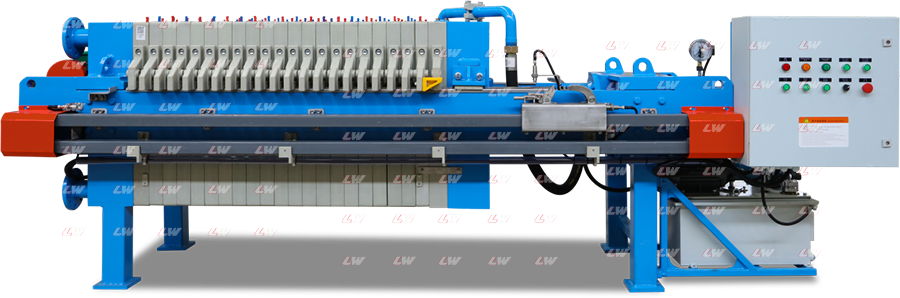
Pick the Bench ScaleLab-200 to Lab-630: match the chamber to the sample you actually have
The limiting factor in a lab is usually how much slurry you can send, not how much space you have. Choose the model from the sample volume first, then from the cake you need to collect.
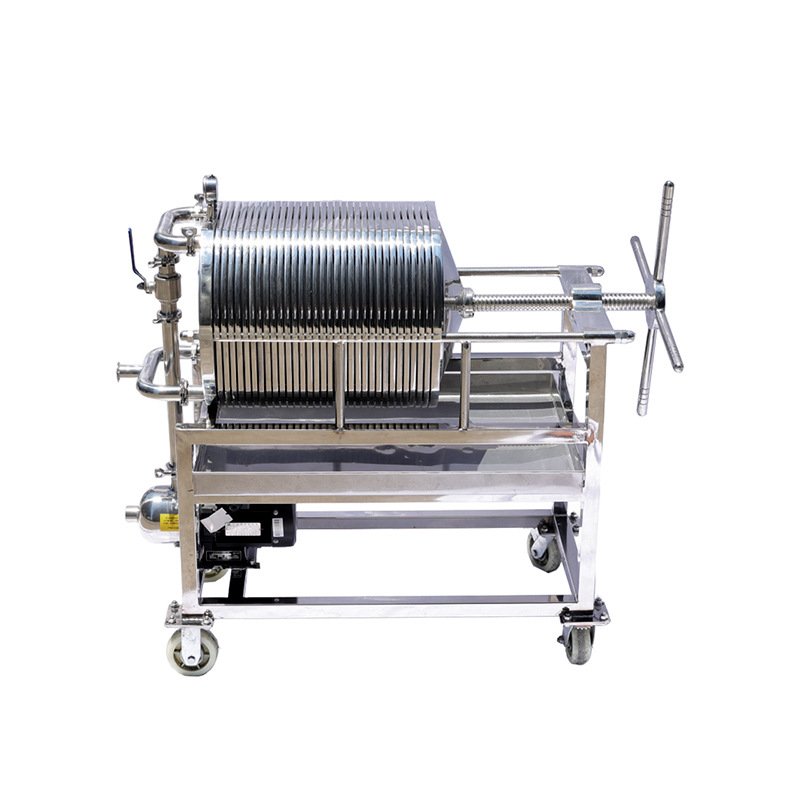
Slurry volume per test is typical for feeds at 2–5% w/w solids; dilute feeds need more volume to collect the same cake mass.
Lab & Pilot Series SpecificationsModel data, dimensions and bench services
Four sizes cover the jump from a beaker-scale screening run to a pilot campaign that produces saleable cake. All models run the same plate and cloth range, so a recipe developed on Lab-320 transfers to Lab-630.
Plate Size, Filtration Area and Cake Volume
| Model | Plate size (mm) | Filter area (m²) | Cake volume (L) | Plate count | Feed pressure (MPa) |
|---|---|---|---|---|---|
| Lab-200 | 200 × 200 | 0.1–0.5 | 1–3 | 5–10 | 0.1–2.0 |
| Lab-320 | 320 × 320 | 0.5–2.0 | 5–15 | 7–16 | 0.1–2.0 |
| Lab-450 | 450 × 450 | 2.0–5.0 | 20–60 | 10–25 | 0.1–2.0 |
| Lab-630 | 630 × 630 | 5.0–15.0 | 50–200 | 12–36 | 0.1–2.0 |
Dimensions, Weight and Closing
| Model | Length (mm) | Width (mm) | Height (mm) | Empty weight (kg) | Feed pump | Closing method |
|---|---|---|---|---|---|---|
| Lab-200 | 800 | 400 | 500 | 120 | AODD | Manual jack |
| Lab-320 | 1,200 | 600 | 800 | 280 | AODD | Manual jack |
| Lab-450 | 1,800 | 700 | 900 | 520 | AODD / progressive cavity | Electric hydraulic |
| Lab-630 | 2,500 | 900 | 1,100 | 950 | AODD / progressive cavity | Electric hydraulic |
Bench Services and Utilities
| Model | Power supply | Compressed air | Feed pump size | Data capture | Footprint (L × W) |
|---|---|---|---|---|---|
| Lab-200 | Single-phase 220 V (pump options only) | 0.3–0.6 m³/min | AODD 1/2″ | Gauge & timer, optional transducer | 0.8 × 0.4 m |
| Lab-320 | Single-phase 220 V (pump options only) | 0.4–0.8 m³/min | AODD 3/4″ | Gauge & timer, optional transducer | 1.2 × 0.6 m |
| Lab-450 | Three-phase 380 V, 1.5 kW | 0.6–1.2 m³/min | AODD 1″ / PC pump | PLC with pressure logging | 1.8 × 0.7 m |
| Lab-630 | Three-phase 380 V, 2.2 kW | 0.8–1.6 m³/min | AODD 1½” / PC pump | PLC + HMI with USB export | 2.5 × 0.9 m |
Manual Jack or Electric Hydraulic?Two closing options, matched to how often you test
Closing force is the one variable an operator can change between runs. Pick the method that keeps it consistent for the way you work.
Manual jack
- Hand-operated closing with a mechanical jack; no electrical supply needed for closing
- Clamping force set by the operator and read on the gauge at the start of each run
- Simple to teach, simple to maintain, and the lightest unit to move between benches
- Specified for occasional screening, teaching labs and one-off feasibility trials
Electric hydraulic
- Push-button closing with automatic pressure holding through long cycles
- Identical closing force run to run, so recipe and SOP data stay comparable
- Interlocked with the feed pump and safety relief; closing pressure is logged with the cycle
- Specified for repeatable recipe development, long cycles and pressures up to 2.0 MPa
Materials and Cloth ScreeningWhat to test when the sample is aggressive, hot or food-grade
A bench unit is the cheapest place to find out that a plate material or a cloth does not survive your slurry. Screening both on the same frame costs one shipment.
| Plate / wetted material | Specified for | Temperature limit | Bench note |
|---|---|---|---|
| Polypropylene (PP) | General aqueous sludges, acids and alkalis to pH 1–14 | ≤80 °C | Lightest plates; easy for one person to open and clean between runs |
| Cast iron | Abrasive mineral slurries and higher-pressure work | ≤100 °C | Heavier pack; chosen where plate wear, not corrosion, is the concern |
| SS304 cladding & plates | Food, beverage and general hygiene duties | ≤120 °C | Common for edible oil, juice and fermentation broth trials |
| SS316L cladding & plates | Pharma, API, aggressive chlorides and solvents | ≤120 °C | Sanitary finish and crevice-free welds for validated cleaning |
From Bench Data to a Production PressHow one test becomes a sized quotation
The point of a lab run is the calculation that follows it. Each measurement feeds a specific line of the production sizing sheet.
| Lab measurement | What it decides | What Loway delivers |
|---|---|---|
| Cake moisture vs pressure | Target dryness, and whether a membrane squeeze stage earns its cost | Recommended plate type and squeeze option |
| Filtrate volume vs time | Specific resistance and cake compressibility | Calculated filtration area for the plant duty |
| Cycle phase times | Cycles per shift and total installed area | Number and size of production presses |
| Filtrate clarity | Cloth specification, and whether a polishing stage is needed | Cloth recommendation and polishing configuration |
| Conditioning dose response | Polymer or coagulant consumption per tonne of dry solids | Operating cost estimate for the full-scale line |
Send the sample, the solids content and the target cake dryness. The bench run and the scale-up calculation are done on the same unit, and both are included with the production quotation.
Where Bench Presses Are UsedR&D, QA and small-batch duties
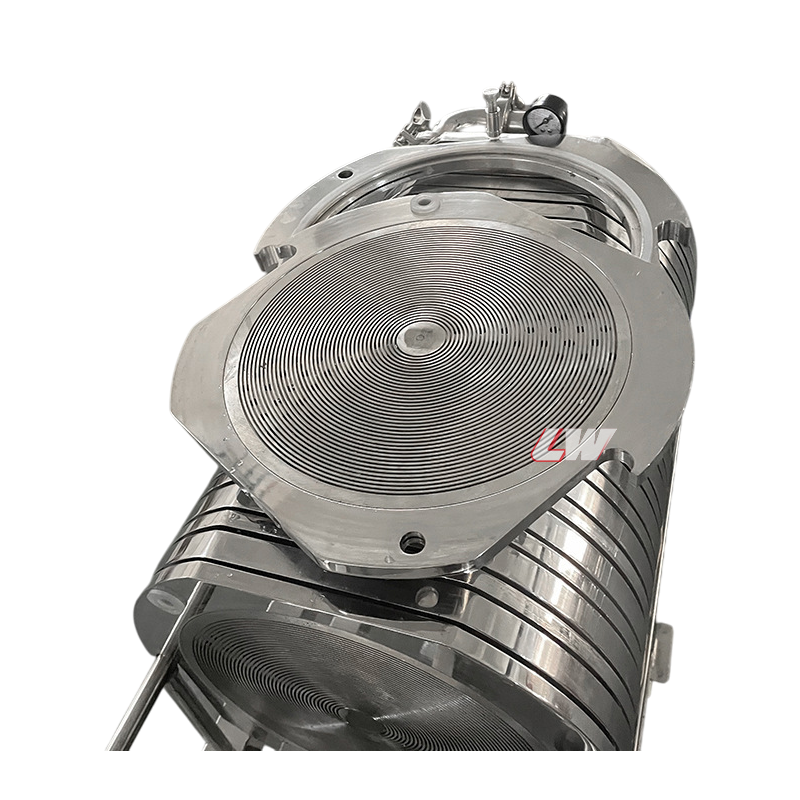
Pharma & Fine Chemicals
API and intermediate polishing on SS316L contact parts, with CGR plates and paper polishing trials for high-purity filtrate.
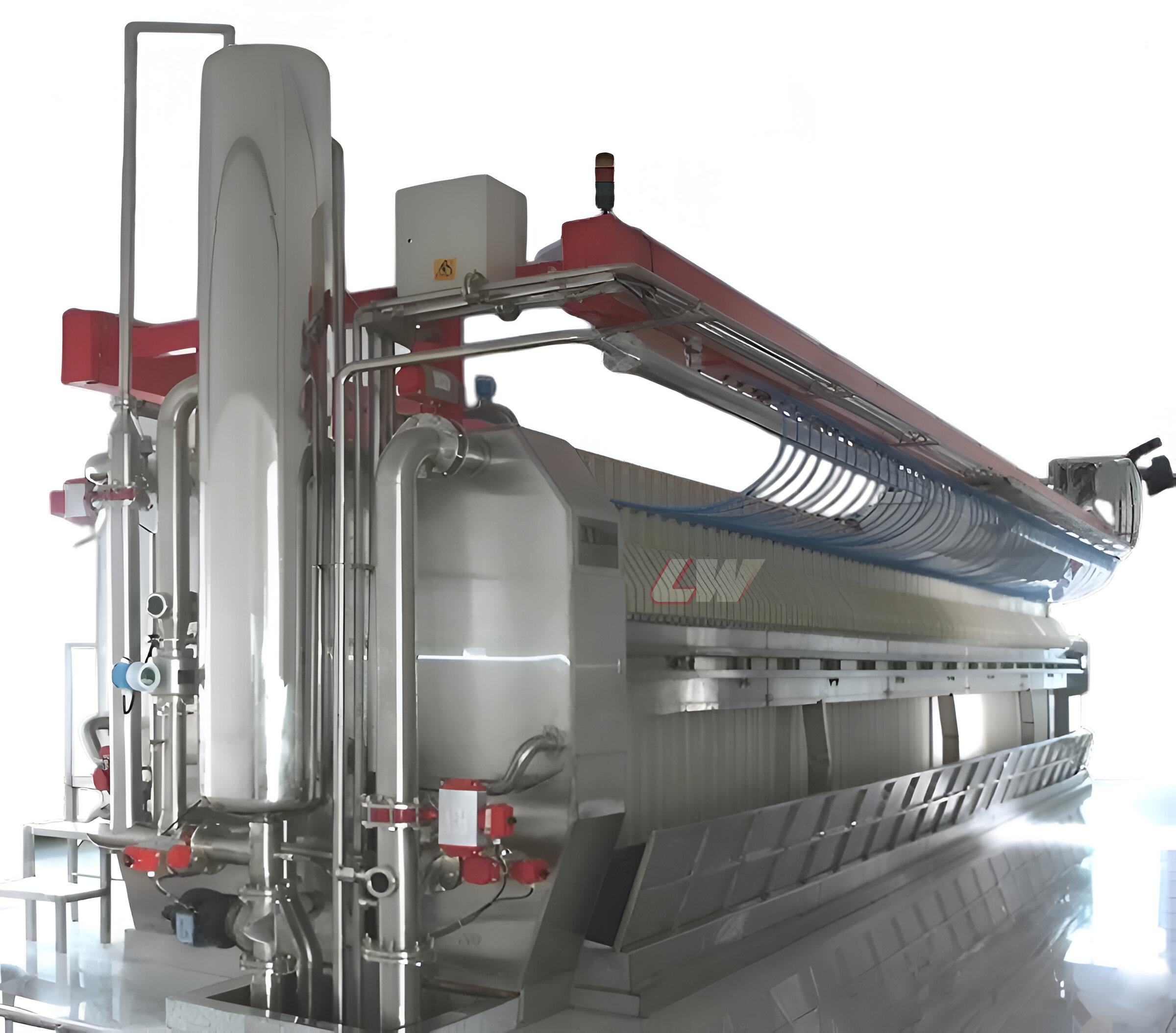
Food & Beverage
Recipe trials for beer, edible oil, juice and fermentation broths with sanitary cladding and squeeze options.
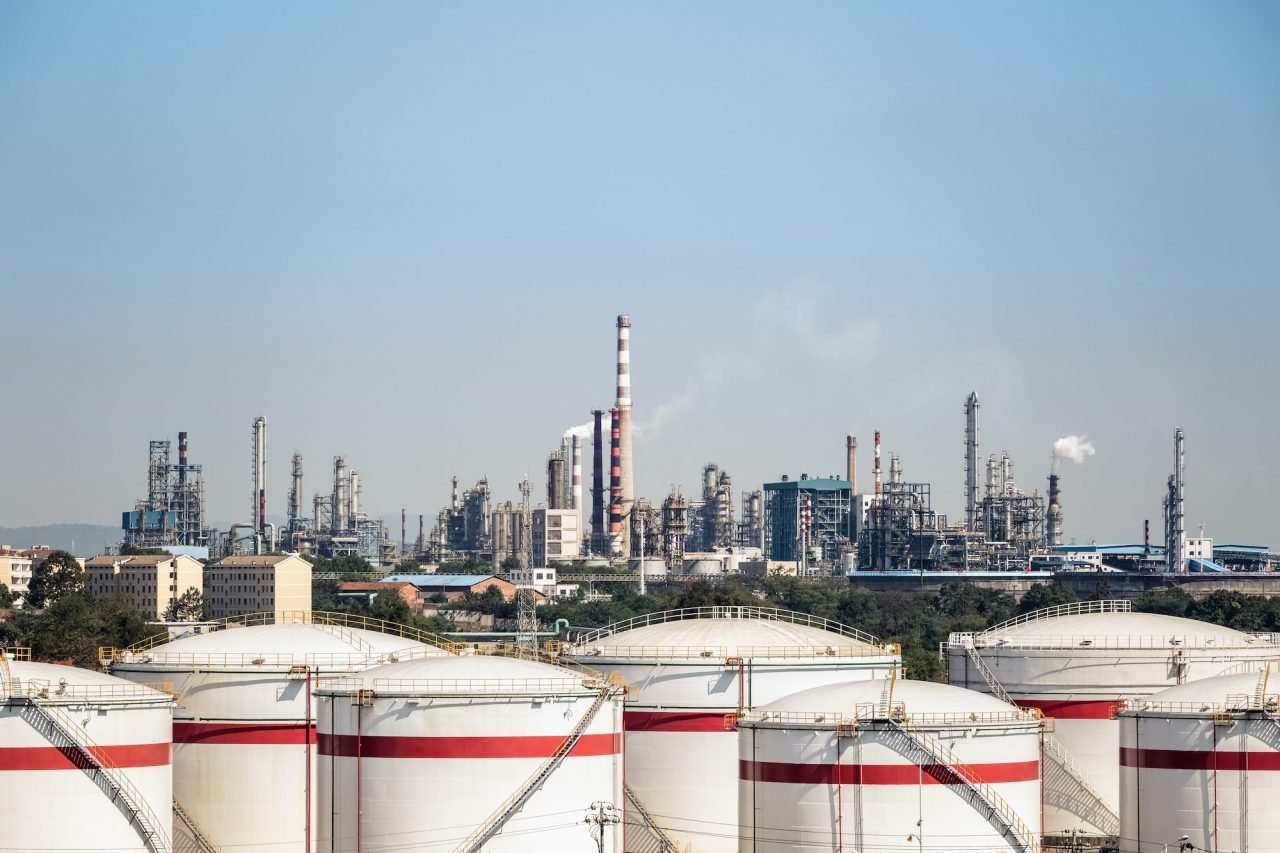
Chemical & Petrochemical
Feasibility testing of refinery sludge and chemical precipitates before plant design, on corrosion-resistant wetted parts.
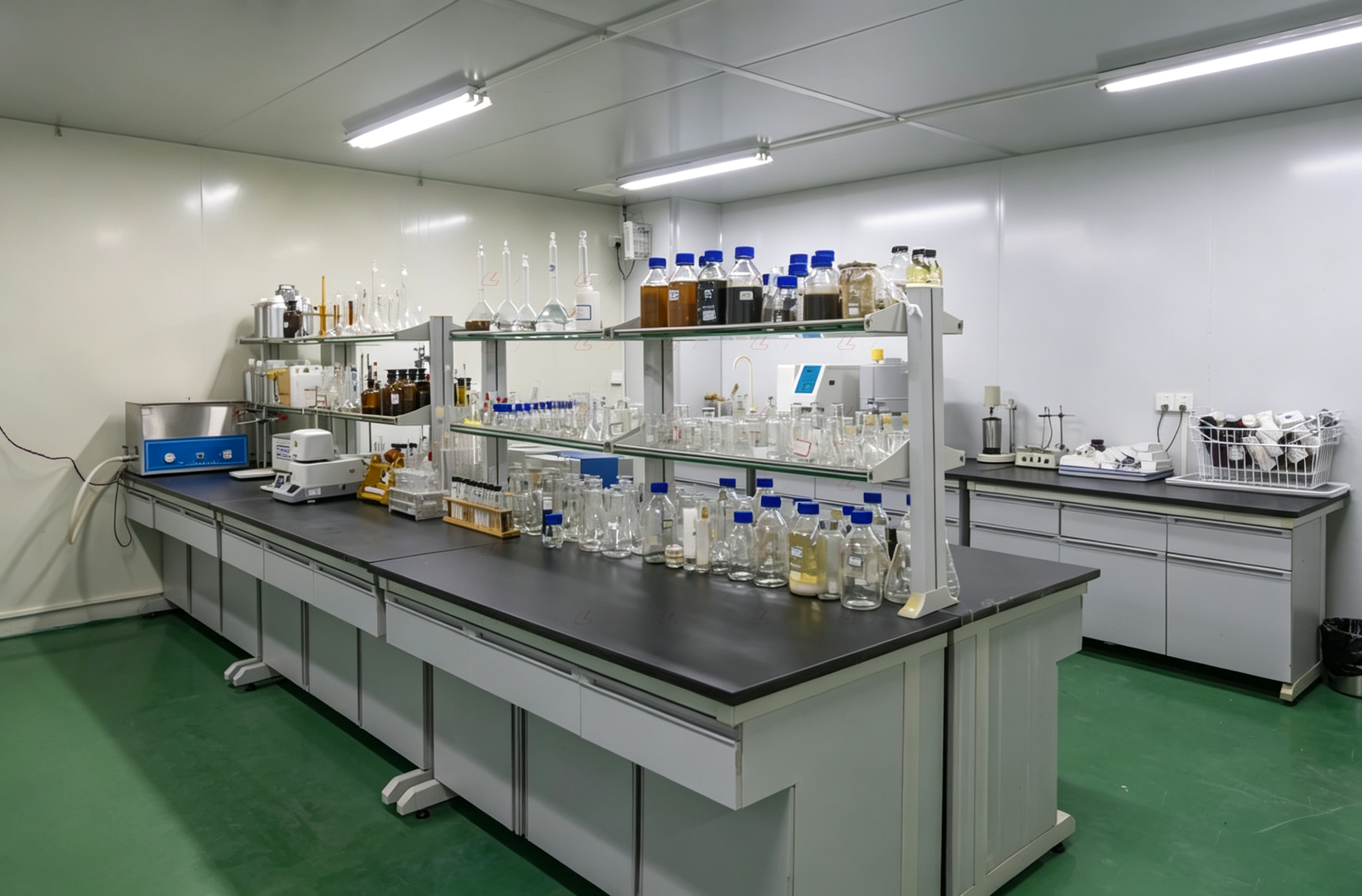
Labs & Universities
Teaching separation principles and characterising new slurries, with manual operation that keeps training safe and visible.
Frequently Asked Questions
Q1. How much slurry do I need to send for a bench test?
About 5–20 L for a Lab-200 screening run and 20–60 L for a Lab-320 recipe run, depending on solids concentration and how much cake you want to collect. If the sample is genuinely limited, a Lab-200 run can be done on a smaller volume with fewer pressure steps.
Q2. Can one bench test really size a production press?
Yes, for area and cycle time, provided the same cloth, pressure and conditioning are used. Loway runs the scale-up calculation from the logged data and includes it with the quotation, so the sizing comes from measurement rather than an estimate.
Q3. Which cloth should I test?
Two or three cloths are normally screened on the same slurry — PP, PET or polyamide — and compared for cake release, blinding and filtrate clarity. The production cloth is then specified from that comparison rather than from a catalogue.
Q4. Manual jack or electric hydraulic — which do I need?
Manual jack suits occasional screening and teaching, and needs no three-phase supply. Electric hydraulic is specified for repeatable recipe development, long cycles and pressures up to 2.0 MPa, where closing force has to be identical from run to run.
Q5. What materials can I test if the sample is aggressive or food-grade?
Plates and wetted parts can be PP, cast iron, SS304 or SS316L. Aggressive chlorides and pharma work usually go to SS316L with a sanitary finish; food and beverage trials run on SS304; general aqueous sludges run on epoxy-coated carbon steel with PP plates.
Q6. What do I receive after the test?
A data sheet with cake moisture at each pressure, cycle phase times, filtrate clarity and the derived filtration resistance, plus a cloth recommendation and, on request, the production scale-up calculation.
Send a Sample, Get a Sized Quotation
Share the sample type, available volume, solids content and target cake dryness. Loway will recommend a Lab-200/320/450/630 configuration, run the bench test if you send material, and return the scale-up calculation with the quotation.
Related PlatformsWhere the bench data takes you next
When the scale-up calculation points to production, mobile or polishing duties, these platforms are the natural next step.
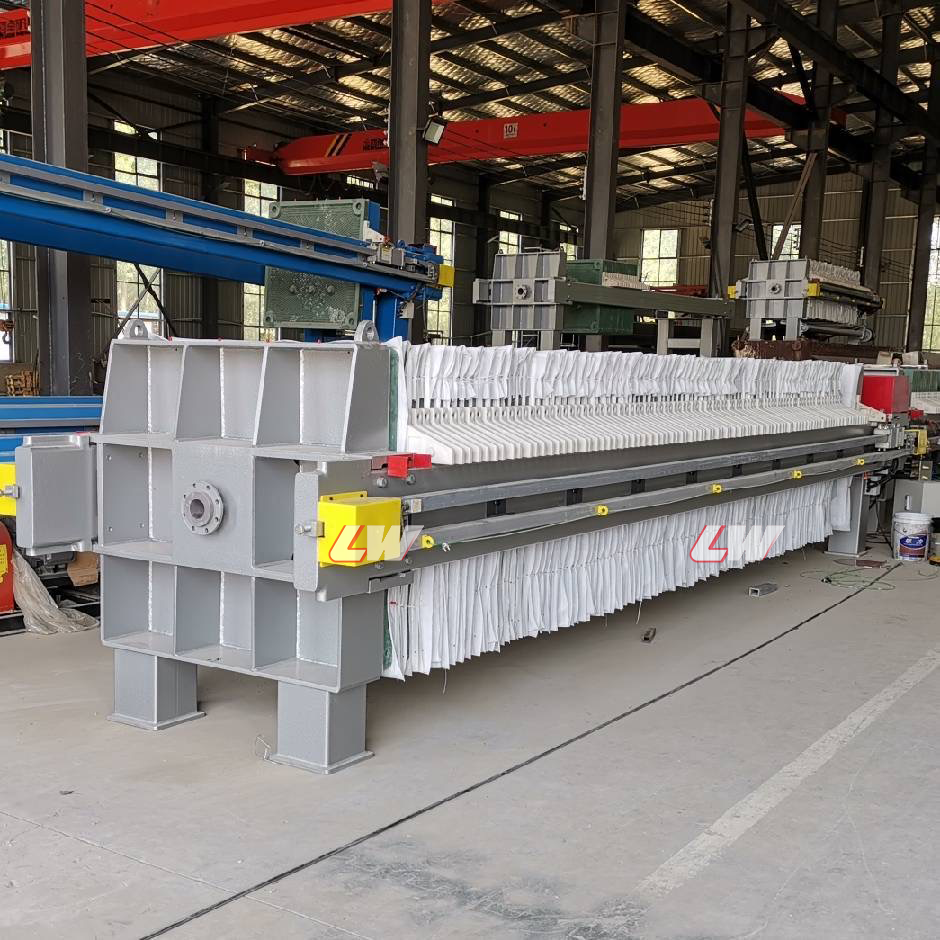
Chamber Filter Press
Recessed-plate dewatering on cloth — the workhorse for mining tailings and chemical slurries.
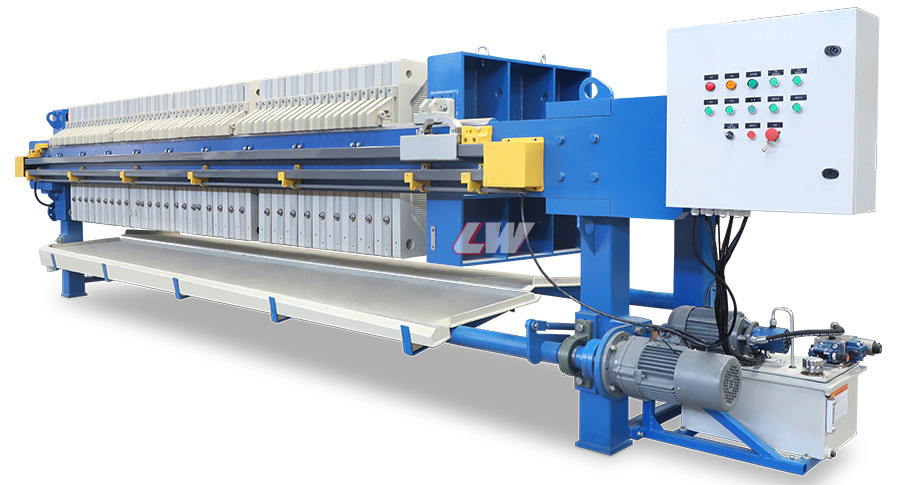
Membrane Filter Press
Secondary squeeze for the driest cake in the filter press family.
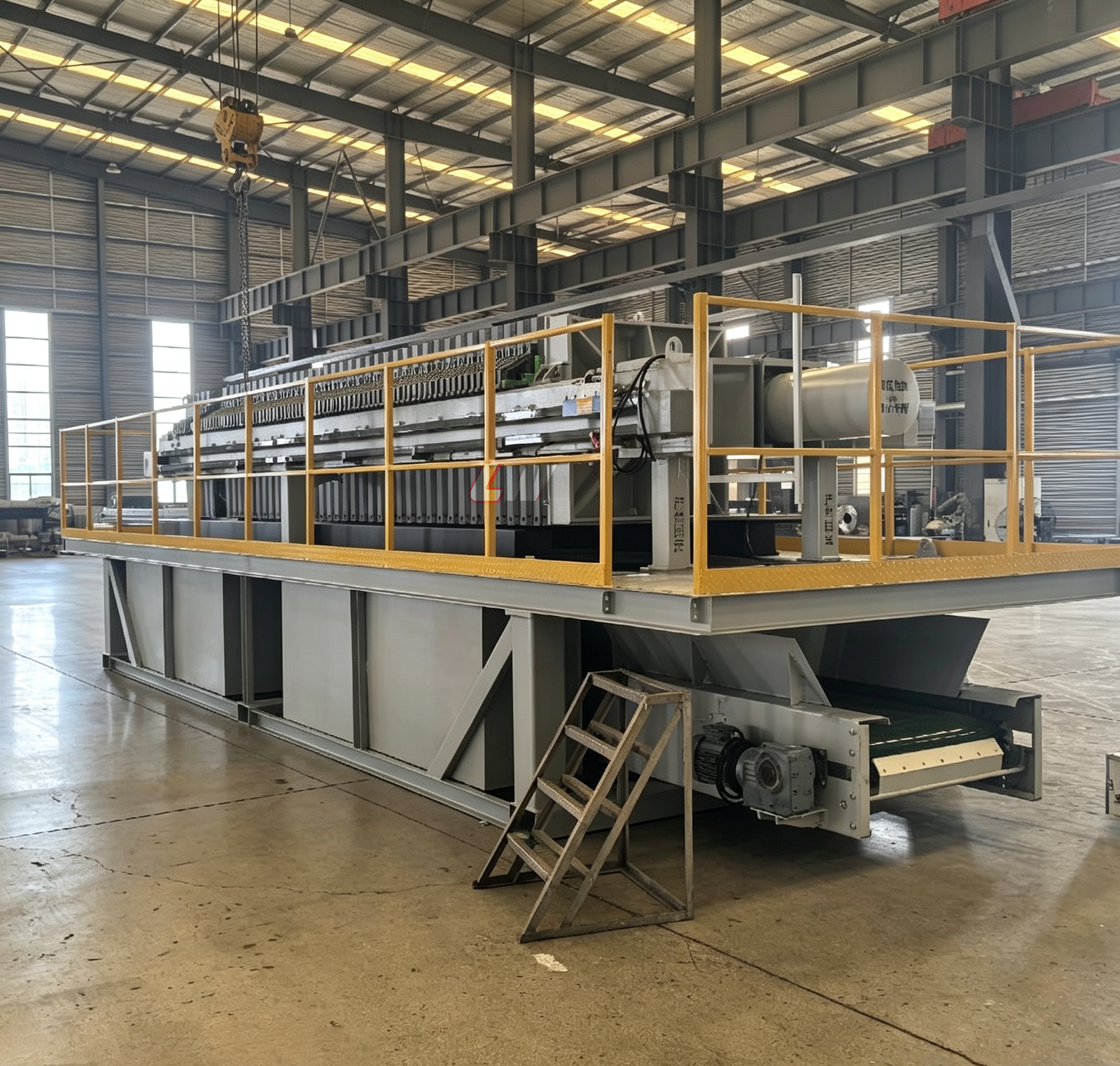
Mobile Filter Press
On-site dewatering on a transportable skid for remote sites and rental fleets.
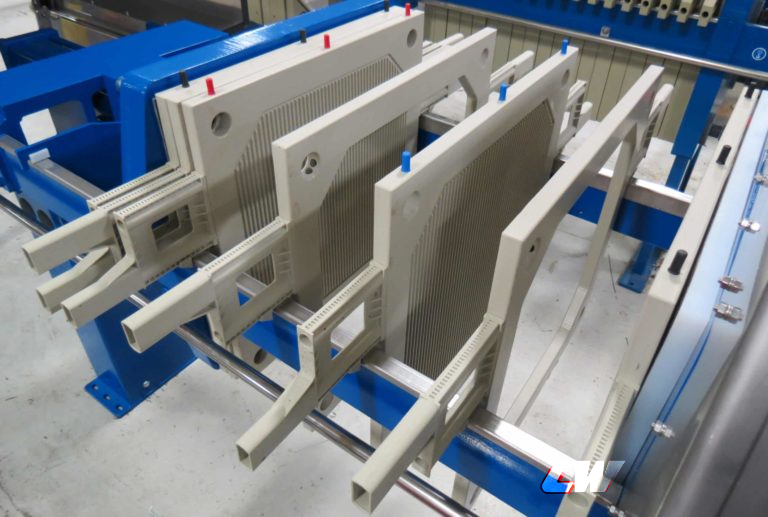
Plate & Frame Filter Press
Fine filtration and polishing with paper, cloth and membrane pads for low-solids feeds.