

Plate and Frame Filter Plates
Plate and frame filter plates are essential components in industrial filtration systems, enabling efficient separation of solids and liquids in demanding environments. Widely used across oil, chemical, textile, metallurgy, food processing, pharmaceuticals, mining, and environmental protection industries, these plates excel in processing complex suspensions while ensuring operational reliability and longevity.
- MaterialPolypropylene, Glass fiber reinforced polymers
- Temperature resistance80-120°C (varies by material)
- Chemical resistanceAcids, alkalis, corrosive environments
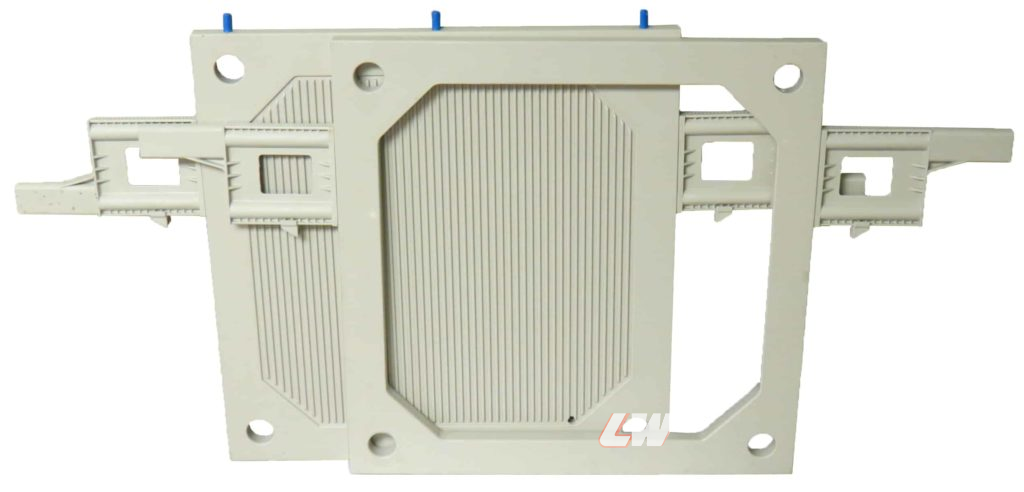
Key Features
Non-Toxic & Odorless Food-Grade Materials
Manufactured with food-safe materials, our filter plates are ideal for applications where contamination is not an option.
Excellent Chemical Resistance
With superior resistance to both acid and alkali corrosion, these plates are perfect for harsh chemical environments.
High Abrasion & Impact Resistance
Designed for longevity, the filter plates offer exceptional durability against wear and tear.
High-Temperature Performance
Capable of operating in high-temperature environments up to 80-120°C (with fiberglass options for enhanced heat resistance).
High-Pressure Endurance
Engineered to maintain structural integrity even under high-pressure conditions.
Lightweight & Low Friction
Their lightweight design combined with a low friction coefficient minimizes mechanical stress and energy consumption.
Superior Sealing Performance
Optimized to prevent leaks, ensuring consistent and effective filtration.
Technical Specifications
| Parameter | Specification |
|---|---|
| Material | Polypropylene, Glass fiber reinforced polymers |
| Temperature resistance | 80-120°C (varies by material) |
| Chemical resistance | Acids, alkalis, corrosive environments |
| Plate sizes | Multiple dimensions available |
| Operating pressure | Up to 16 bar (customizable) |
| Surface finish | Smooth, textured options for different applications |
| Sealing method | Compression gasket, integrated sealing |
Material Technology
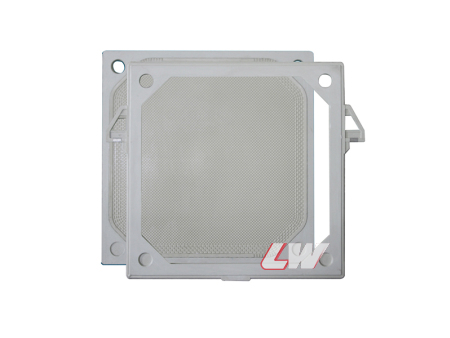
Our filter plates are manufactured using advanced materials technology: Polypropylene plates : Excellent chemical resistance and durability Glass fiber reinforced plates : Superior temperature resistance (up to 120°C) HDPE options : For specific application requirements Special polymer blends : For enhanced performance characteristics
Key Process & Technology
Plates are compression-molded and then CNC-machined, so dimensional tolerances stay consistent across batches.
Material Selection
We choose only the highest-grade, food-safe, non-toxic materials to ensure safety and compliance with stringent industry standards.
Precision Machining
Each filter plate is precisely manufactured for a precise fit and reliable sealing, enhancing filtration performance.
Advanced Coating Technology
Specialized coatings are applied to boost corrosion resistance and ensure longevity, even under aggressive chemical and temperature conditions.
Rigorous Quality Control
Every plate undergoes strict testing protocols to confirm its durability, pressure resistance, and overall performance before it reaches your facility.
Technical Parameters
- Operating Temperature: Up to 80-120°C (with fiberglass variants available for superior high-temperature performance).
- Pressure Resistance: Engineered to perform reliably under high-pressure conditions common in industrial filtration processes.
- Material Specifications: Constructed from non-toxic, odorless, food-grade materials with enhanced resistance to chemicals and abrasion.
- Design Efficiency: Lightweight construction combined with excellent sealing and low friction performance ensures energy efficiency and long service life.
Industry Applications of Plate and Frame Filter Plate
Widely used across oil, chemical, textile, metallurgy, food processing, pharmaceuticals, mining, and environmental protection industries, these plates excel in processing complex suspensions while ensuring operational reliability and longevity.
Widely used across oil, chemical, textile, metallurgy, food processing, pharmaceuticals, mining, and environmental protection industries, these plates excel in processing complex suspensions while ensuring operational reliability and longevity.
Widely used across oil, chemical, textile, metallurgy, food processing, pharmaceuticals, mining, and environmental protection industries, these plates excel in processing complex suspensions while ensuring operational reliability and longevity.
Widely used across oil, chemical, textile, metallurgy, food processing, pharmaceuticals, mining, and environmental protection industries, these plates excel in processing complex suspensions while ensuring operational reliability and longevity.
Plate Manufacturing at Loway
Plate packs, cloth fitting and press assembly are handled in our own workshop, so replacements are matched to the drawing or sample you send rather than to a catalogue number.
Request a Quote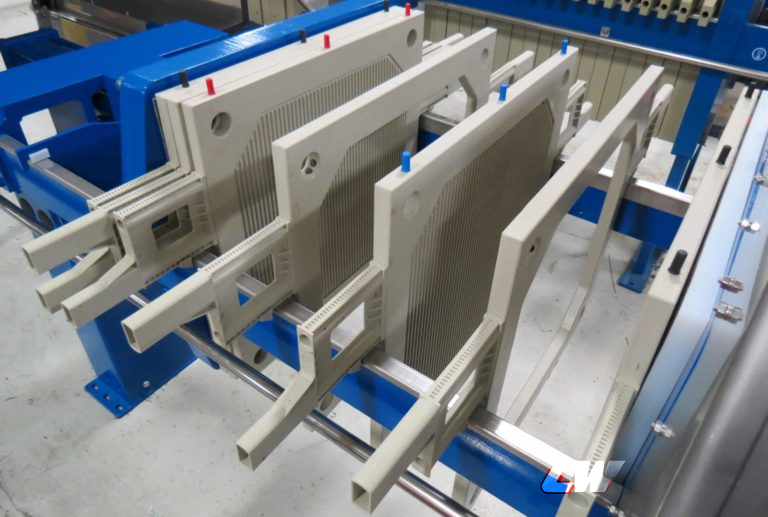
Frequently Asked Questions About Plate and Frame Filter Plates
Q1: How does a plate and frame filter plate work?
Solid plates and hollow frames alternate in the plate pack. Slurry fills each frame cavity, cloth on the plate faces retains the solids, and the cake builds up inside the frame until the pack is opened for discharge.
Q2: When is plate and frame the better choice over recessed chamber?
The frame gives a large, open cavity, which suits fibrous, stringy or coarse crystalline feed that would bridge in a narrow recess. It is also the classic format for polishing and fine clarification duties.
Q3: What temperature and pressure are supported?
Polypropylene plates work from 80 to 120°C depending on the material, and glass-fibre reinforced options reach 120°C. Operating pressure goes up to 16 bar and can be customised.
Q4: How is the plate sealed?
Sealing is by compression gasket or integrated sealing edge. Combined with a machined plate surface, this keeps the pack tight at working pressure.
Q5: Can they be used in food or pharmaceutical plants?
Yes. The plates are made from non-toxic, odourless food-grade materials, which makes them a common choice for edible oil, juice, dairy and API filtration.



Get a Quote
Contact our team of filtration specialists today to discuss how our filter press solutions can address your specific solid-liquid separation challenges.