

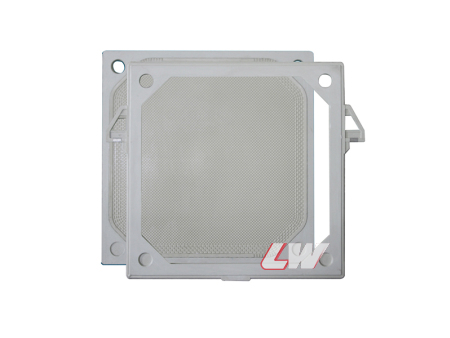
Reinforced Polypropylene Filter Plates
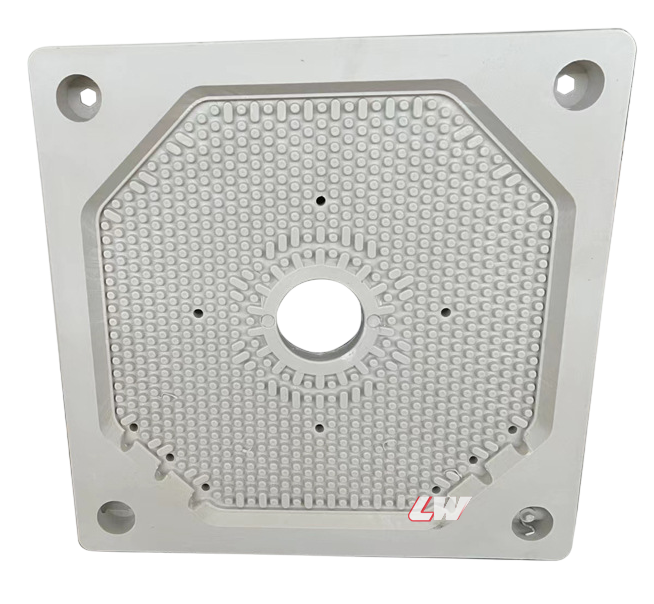
By combining the chemical stability of polypropylene with robust reinforcement materials, such as glass fiber, these filter plates deliver superior performance even under high-pressure and chemically aggressive environments. They are an ideal solution for industries including chemical processing, food and beverage, pharmaceuticals, and environmental protection.
- Plate Size250mm × 250mm to 2000mm × 2000mm
- Thickness15mm to 60mm
- Chamber Depth15mm to 50mm
Key Features
Key Features & Benefits ✅Performance Advantages High pressure tolerance for efficient filtration cycles Uniform cake formation ensuring consistent product quality Excellent cake release reducing downtime between cycles Lower maintenance requirements than metal alternatives Reduced contamination risk from non-reactive materials Cost-effective operation through extended service life ✅Design Innovations Precision-engineered filtration channels for optimal flow distribution Reinforced feed eyes preventing distortion under pressure Enhanced corner design minimizing stress concentration Optimized drip edge for improved filtrate drainage Customizable port configurations to match specific process requirements
Technical Specifications
| Parameter | Specification Range |
|---|---|
| Plate Size | 250mm × 250mm to 2000mm × 2000mm |
| Thickness | 15mm to 60mm |
| Chamber Depth | 15mm to 50mm |
| Working Pressure | Up to 16 bar (standard) / 25 bar (high-pressure) |
| Temperature Range | -10°C to 80°C (standard) / Up to 95°C (high-temp) |
| Feed Hole Diameter | 15mm to 80mm |
| Material | PP + 30% Glass Fiber (standard) |
| Surface Finish | Smooth or textured |
Manufacturing Technology
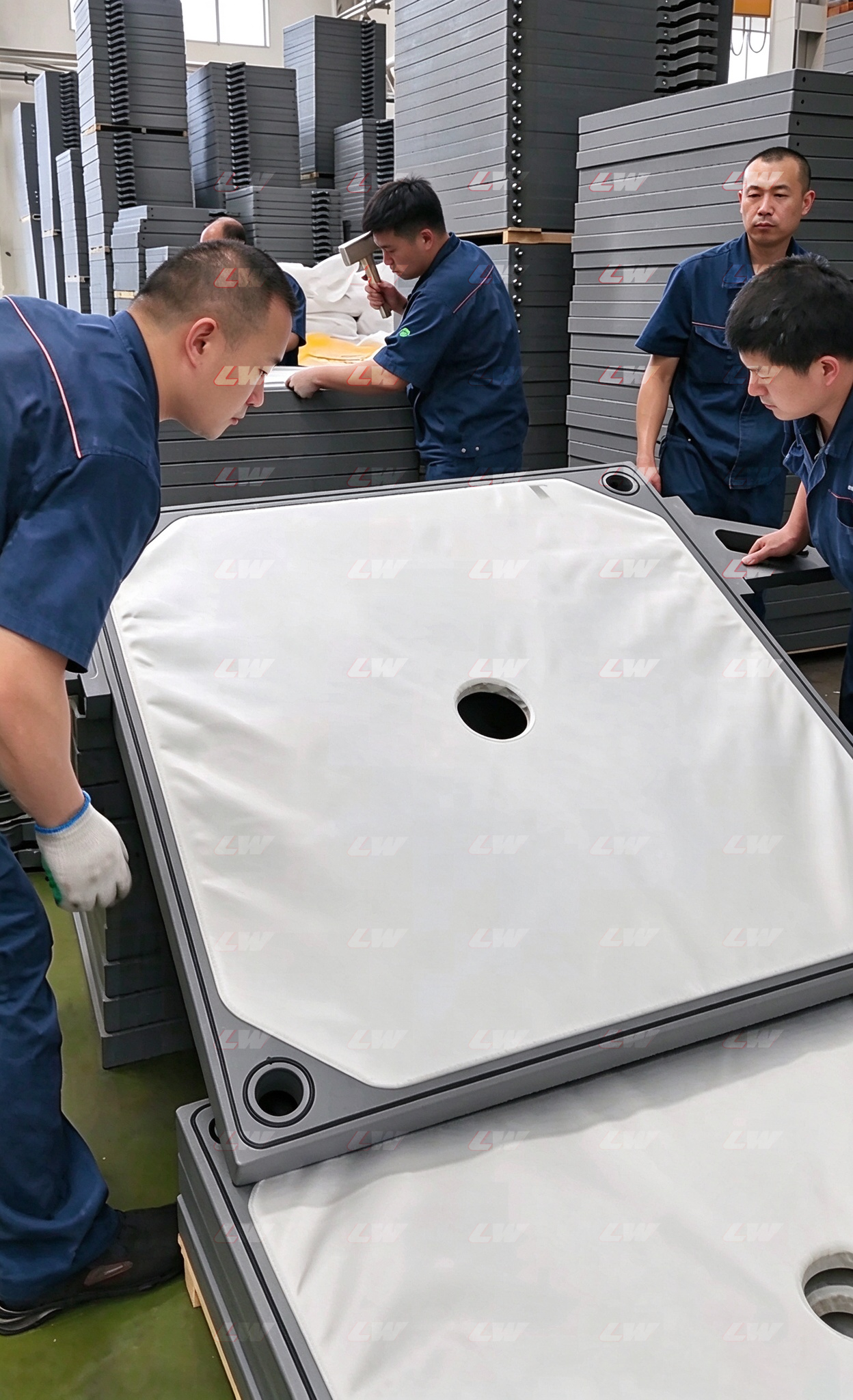
Our reinforced polypropylene filter plates are produced using advanced injection molding technology, ensuring precise dimensional control and consistent quality.
Material preparation
Polypropylene resin is blended with precisely measured reinforcement materials
Injection molding
Computer-controlled molding ensures uniform material distribution
Controlled cooling
Optimized cooling cycles prevent internal stresses
Quality inspection
Rigorous testing for dimensional accuracy and structural integrity
Surface finishing
Specialized treatments to enhance cake release properties
Material Composition & Properties
Our reinforced polypropylene filter plates are engineered from polypropylene resin fortified with glass fiber or other specialized reinforcement materials.
- Superior chemical resistance against acids, alkalis, and salts
- Enhanced mechanical strength for high-pressure applications
- Lightweight design compared to metal alternatives
- Extended service life in challenging industrial environments
- Temperature resistance for varied processing conditions
Industry Applications of Reinforced Polypropylene Filter Plates
Chemical processing
Food and beverage
Pharmaceuticals
Environmental protection
Plate Manufacturing at Loway
Plate packs, cloth fitting and press assembly are handled in our own workshop, so replacements are matched to the drawing or sample you send rather than to a catalogue number.
Request a Quote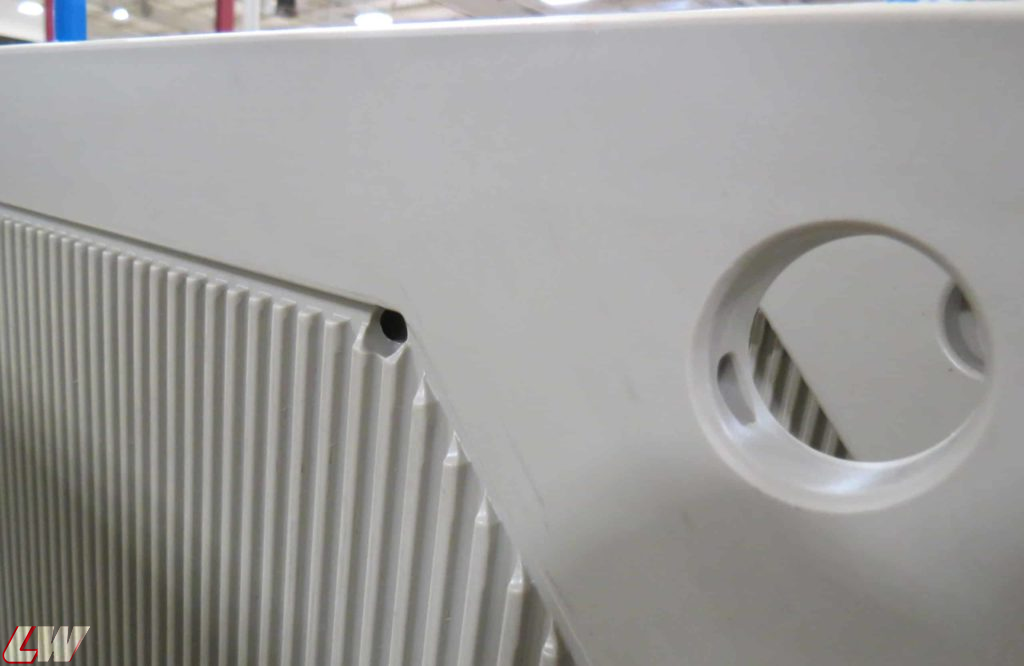
Frequently Asked Questions About Reinforced Polypropylene Filter Plates
Q1: What does the glass-fibre reinforcement add?
It raises both the pressure and temperature ceiling: standard plates work to 16 bar and 80°C, high-pressure versions to 25 bar and up to 95°C. Reinforced feed eyes also resist distortion under pressure.
Q2: What sizes are available?
Plate sizes run from 250×250 mm to 2000×2000 mm, with thickness from 15 to 60 mm and chamber depth from 15 to 50 mm. Feed hole diameters range from 15 to 80 mm, and port layouts are customisable.
Q3: How are they manufactured?
By computer-controlled injection molding, followed by optimised cooling cycles that prevent internal stress. Each plate passes dimensional and structural inspection before surface finishing.
Q4: How do they compare with metal plates on maintenance?
Reinforced PP needs less maintenance than metal alternatives, does not corrode, and its smooth surface releases the cake cleanly, which shortens the cycle.
Q5: What is the expected service life?
3 to 5 years under normal operating conditions. Abrasive feed and sustained high-temperature duty shorten it, so plate condition should be reviewed at each cloth change.


Get a Quote
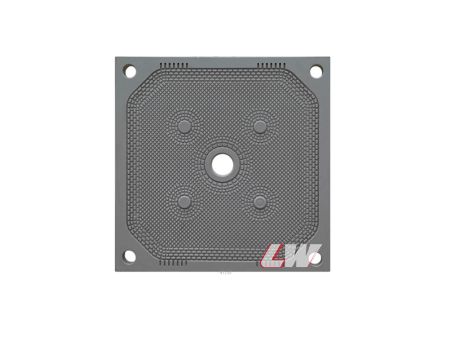
Contact our filtration specialists for plates matched to your press and process.