

Filter Presses/Customized Solutions
Customized Filter Press · Engineered To Order
Customized Filter Press, Built Around Your Slurry and Your Site
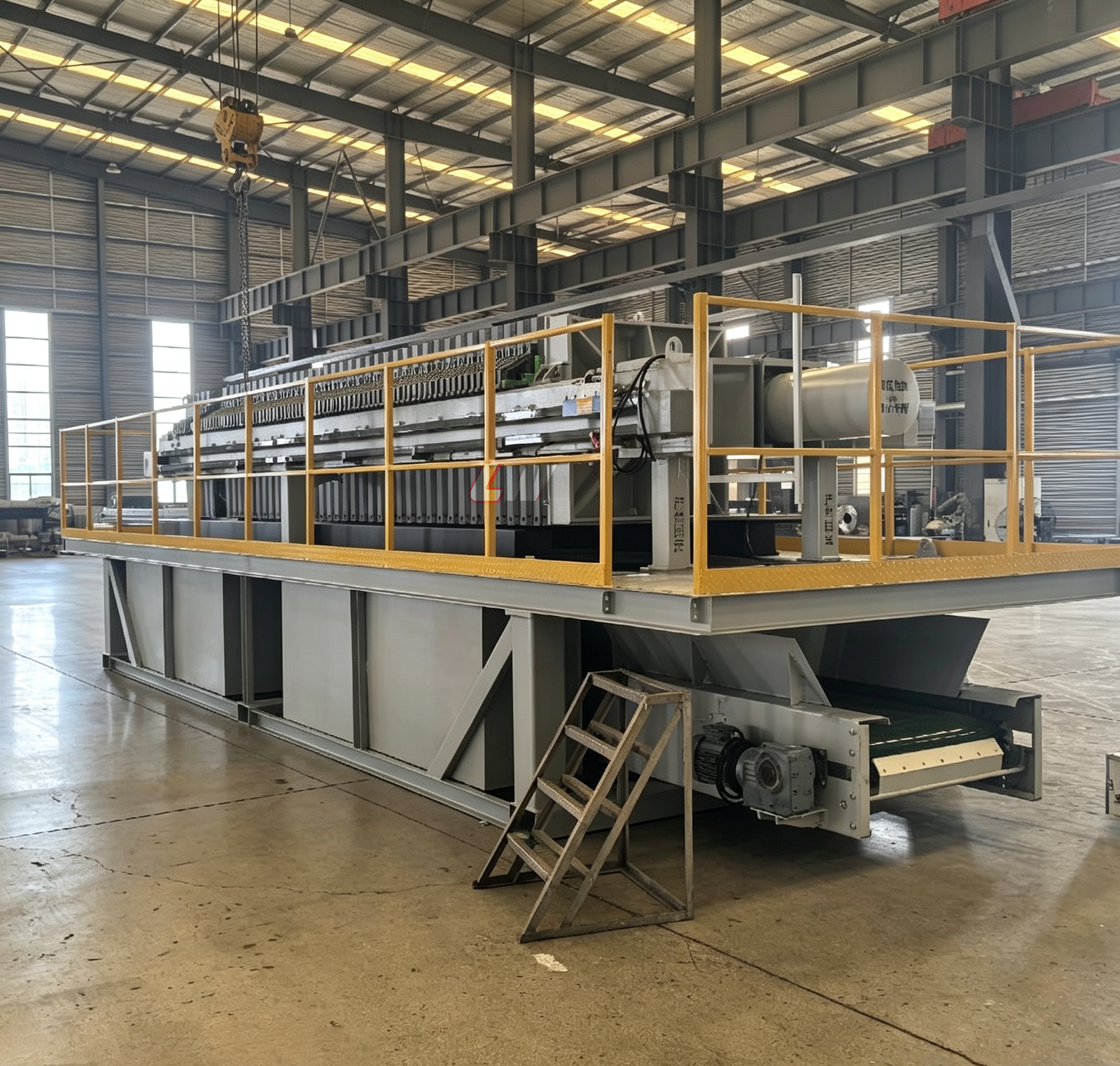
Loway builds filter presses to order: the plate pack, materials, automation level and footprint are all set from your slurry data, cake specification and installation envelope. One engineering team carries the job from slurry test to commissioning.


What We Set on a Customized Filter PressSix decisions that turn a standard press into your press
A customized filter press differs from a catalogue machine in six places. Each one is fixed from measured data, and each one changes how the press behaves on your slurry.
Plate configuration
Recessed chamber, membrane, plate & frame and CGR gasketed packs. Plate size, chamber depth and plate count follow the slurry and the cake target.
Construction materials
PP, cast iron, SS304, SS316L, PVDF and duplex on request. Wetted parts are matched to pH, temperature and abrasion.
Capacity and sizing
Filtration area from 1 to 1000 m² on one press. Frame length, plate count and feed pump are sized to the batch or the continuous duty.
Automation level
Manual, semi-automatic or PLC-controlled with HMI. Plate shifting, cloth washing and drip trays are specified against the operators you have.
Safety and compliance
Light curtains, splash guards, explosion-proof motors and food or pharma finishes are carried in the design from the first drawing.
Ancillary systems
Feed pumps, conditioning tanks, cloth wash, cake conveyors and big-bag stations are engineered into the same package and the same schedule.
Where the numbers come from: each lever above is set from your slurry analysis and cake specification. Where site data is thin, the bench test on the next steps fills the gaps before the drawing is made.
Customized Filter Press RangesReference ranges from delivered presses, and what moves inside them
These are the envelopes Loway builds inside today. The final numbers for your press come from the bench test and the site survey, then they are fixed on the drawing.
| Parameter | Reference range | What we adjust |
|---|---|---|
| Plate size | 250 – 2000 mm | Square, rectangular or round plates |
| Chamber depth | 15 – 50 mm | Set with cake thickness and dry solids per cycle |
| Filtration area | 1 – 1000 m² | Plate count and frame length |
| Feed pressure | 0.6 – 30 bar | Pump selection and plate material |
| Cycle time | 20 min – 4 h | Cloth, feed curve and membrane squeeze |
| Throughput | 100 – 50,000 L/h | Single press or multi-press layout |
| Operation | Manual to full PLC | HMI level, remote monitoring, alarm outputs |
| Wetted materials | PP / cast iron / SS304 / SS316L | PVDF, duplex and coatings on request |
Reference ranges reflect presses already delivered. A customized design starts from your slurry, so a value outside a range above is a conversation, not a limit — send the data and we will size it.
How a Customized Filter Press Build RunsFive stages, one engineering team, signed-off drawings before production
The sequence below is the same for a single bespoke press and for an OEM volume run. What changes is the level of validation data behind each decision.
Slurry data and duty review
We start from your slurry analysis (pH, solids content, particle size), the cake specification and the site layout. Where data is missing, the bench test produces it before design starts.
Design and drawings
Plate pack, materials, automation and layout are fixed in CAD drawings and a datasheet. Nothing is manufactured until the drawing is approved in writing.
Manufacturing and inspection
Plates, frames and hydraulics are machined and assembled in our own facility. Welds and tolerances are inspected at each stage, and the inspection record travels with the press.
Wet test and acceptance
Every press runs a pressure test and a dry cycle before shipment. A test video and report are packed with the machine, so acceptance happens before the press leaves the floor.
Delivery, commissioning and support
Installation guidance, operator training, commissioning and a spares package. After start-up the same engineers stay reachable for remote support.
Lead time: a customized press is normally delivered 25–60 days from drawing approval, depending on materials and automation. The schedule is confirmed in writing at order stage.
Material Selection for a Custom Filter PressWhat we build into the wetted path for each environment
Material choice drives both press life and cake quality on a custom-built press. The table shows the pairing we specify most often; the bench test confirms it against your slurry.
| Duty environment | Material we specify | Why |
|---|---|---|
| Acidic or alkaline chemical slurry | PP or PVDF plates | Stable across a wide pH band at process temperature |
| Feed above 80 °C | Cast iron or SS316L | Holds dimension and seal at temperature |
| Food, beverage and pharma | SS316L wetted parts, Ra ≤ 0.4 µm | Sanitary finish with a CIP-compatible layout |
| Abrasive mining tailings | Cast iron frame, deep chamber | Resists wear and carries a thick cake |
| Odour-sensitive or sealed duty | CGR gasketed plates | Closed filtrate path along the plate pack |
| Offshore and coastal sites | SS304 / SS316L frame with coatings | Corrosion protection in salt-laden air |
Where Customized Filter Presses WorkDuties that a catalogue machine fits only partly

Mining & Minerals
Tailings and concentrate duty with abrasive solids, deep chambers and continuous campaigns.
Municipal Wastewater
Sludge dewatering sized to the existing building, digestate handling and odour limits.
Chemical & Industrial Processing
Corrosion-resistant packs for catalyst, pigment and intermediate filtration.
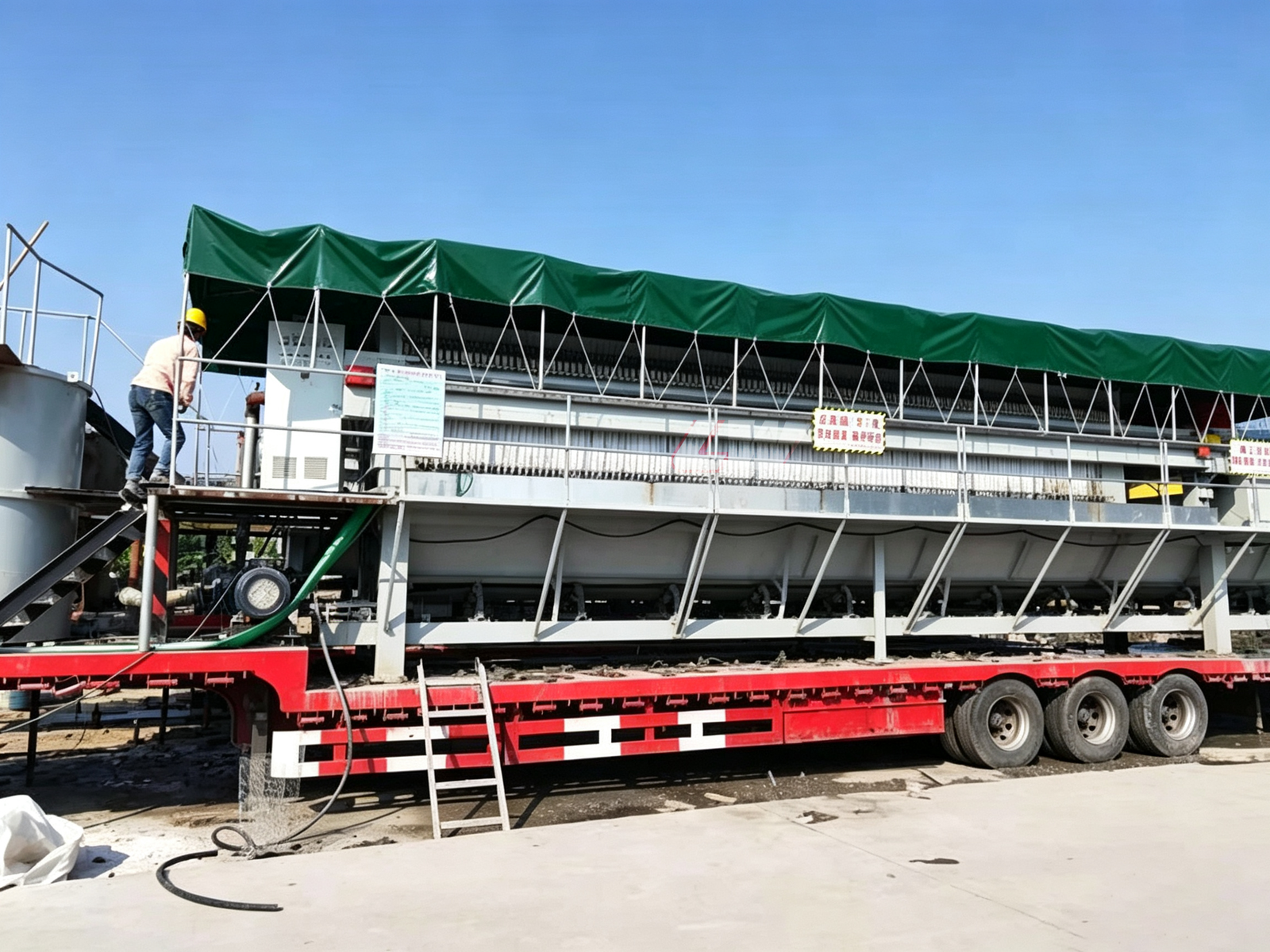
Construction, Dredging & Remediation
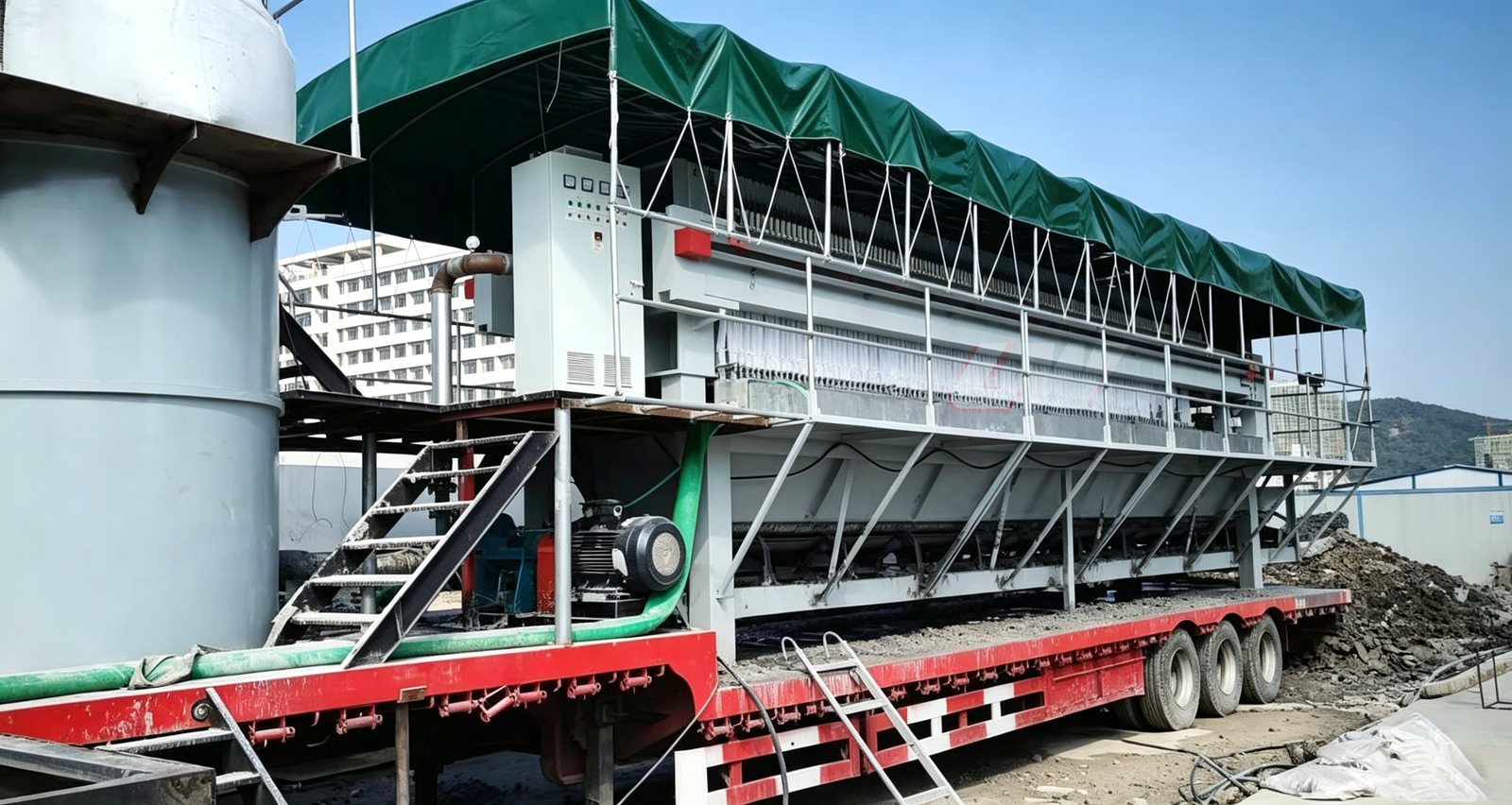
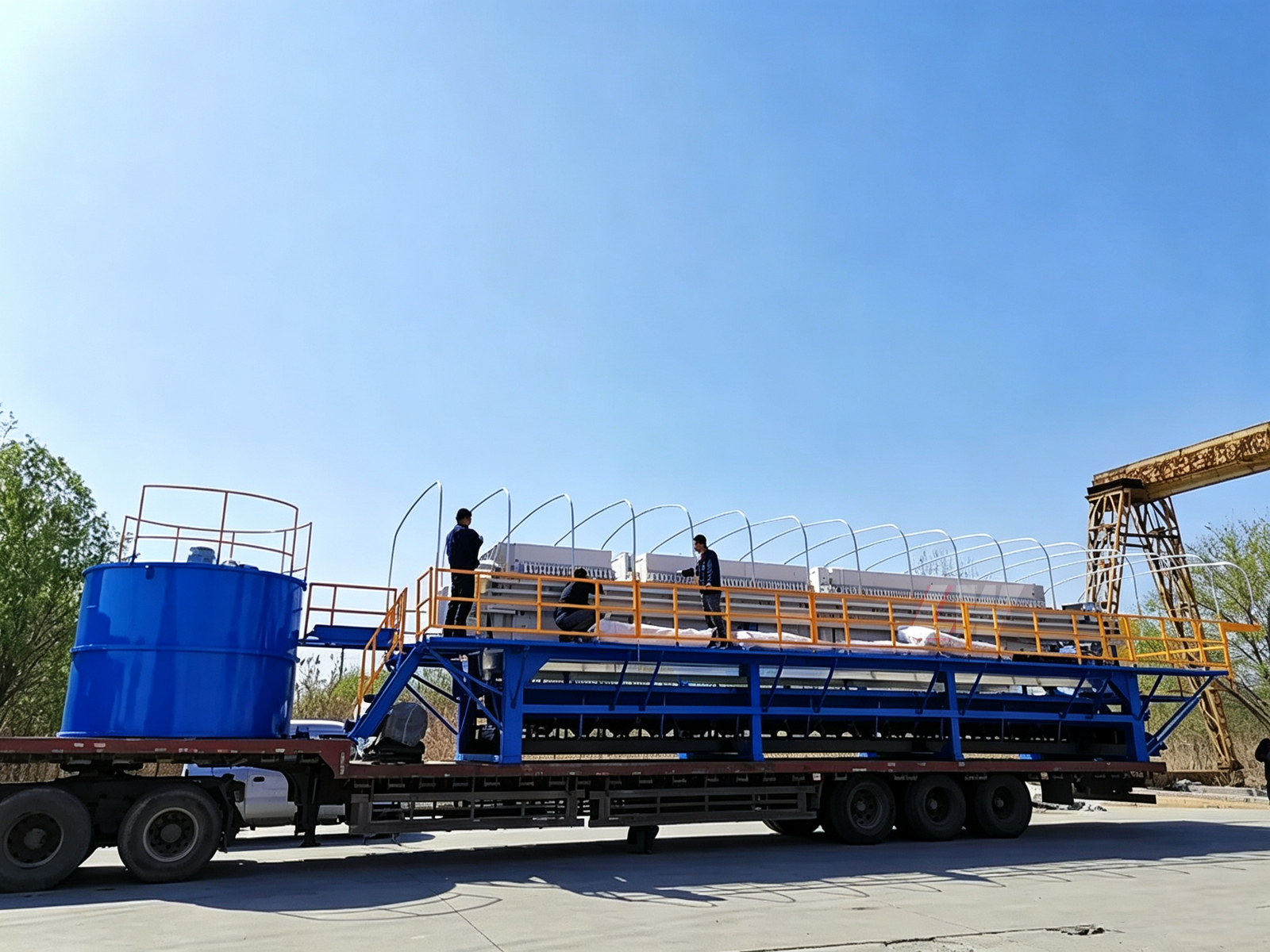
Presses that travel with the pit or the pipeline route and turn wet spoil into stackable cake.
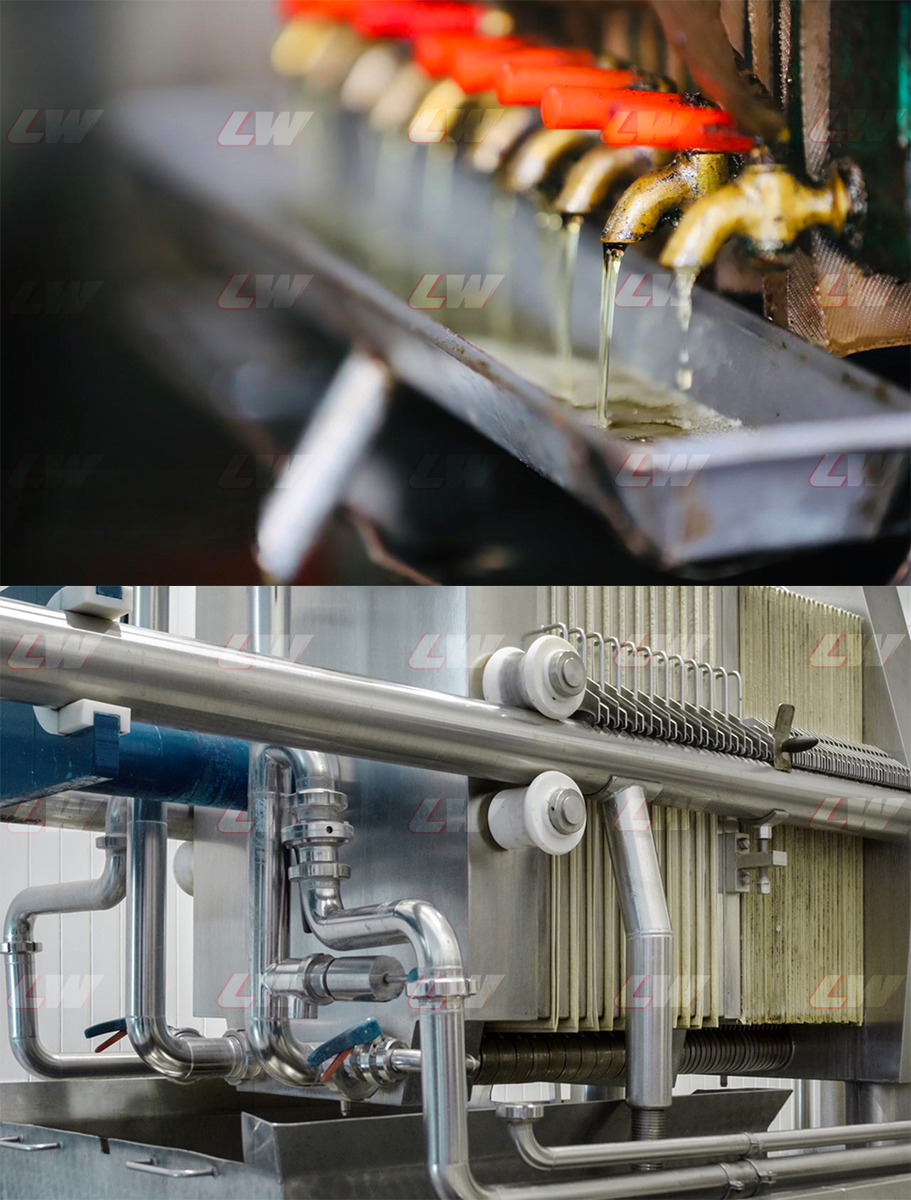
Food & Beverage
Sanitary SS316L builds for juice, starch, brewery and edible-oil filtration.
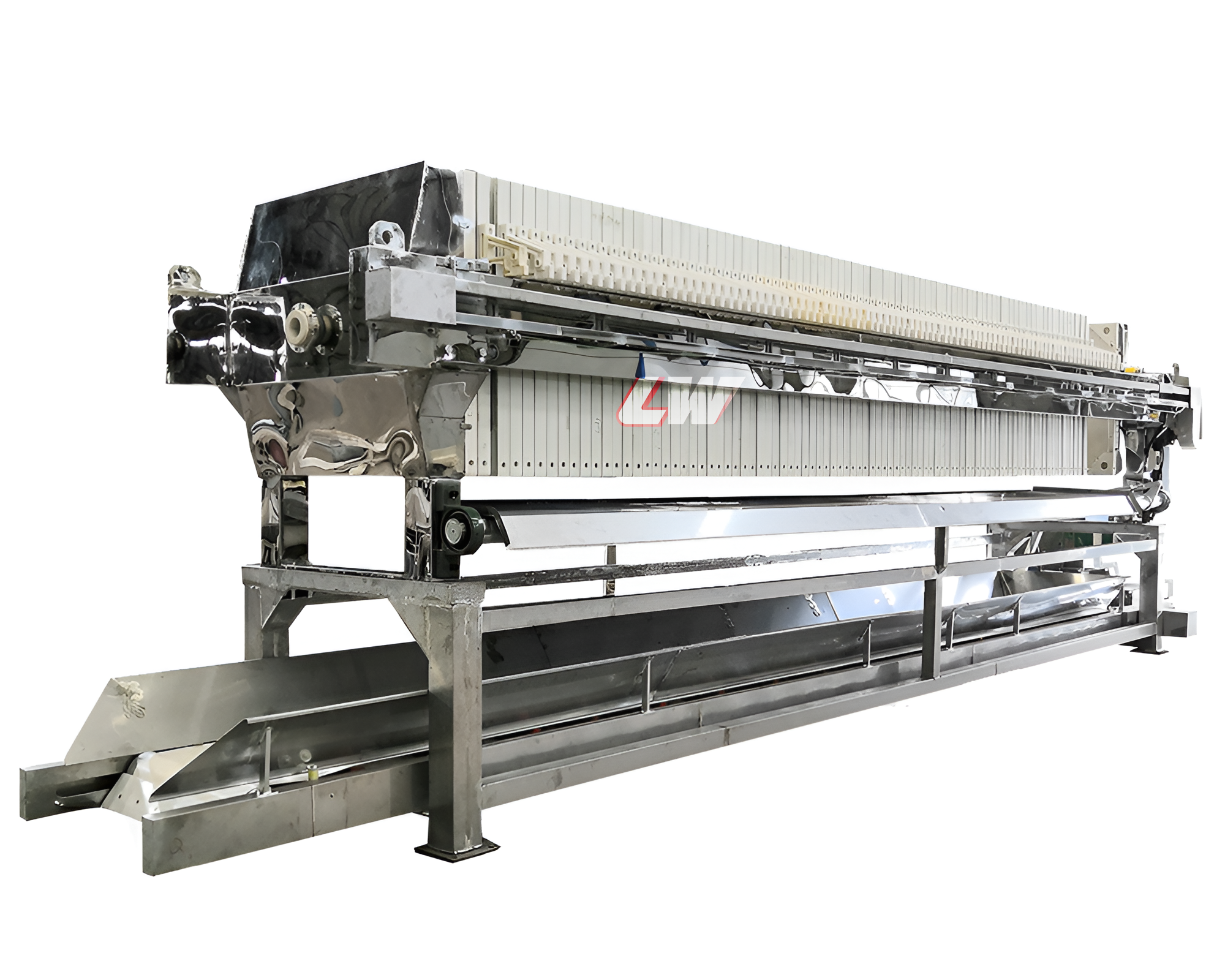
Pharmaceutical & Fine Chemical
Polished SS316L contact parts, CIP layout and documentation packs on request.
Built and Tested in Our Own FacilityWhat a customized order buys beyond the machine
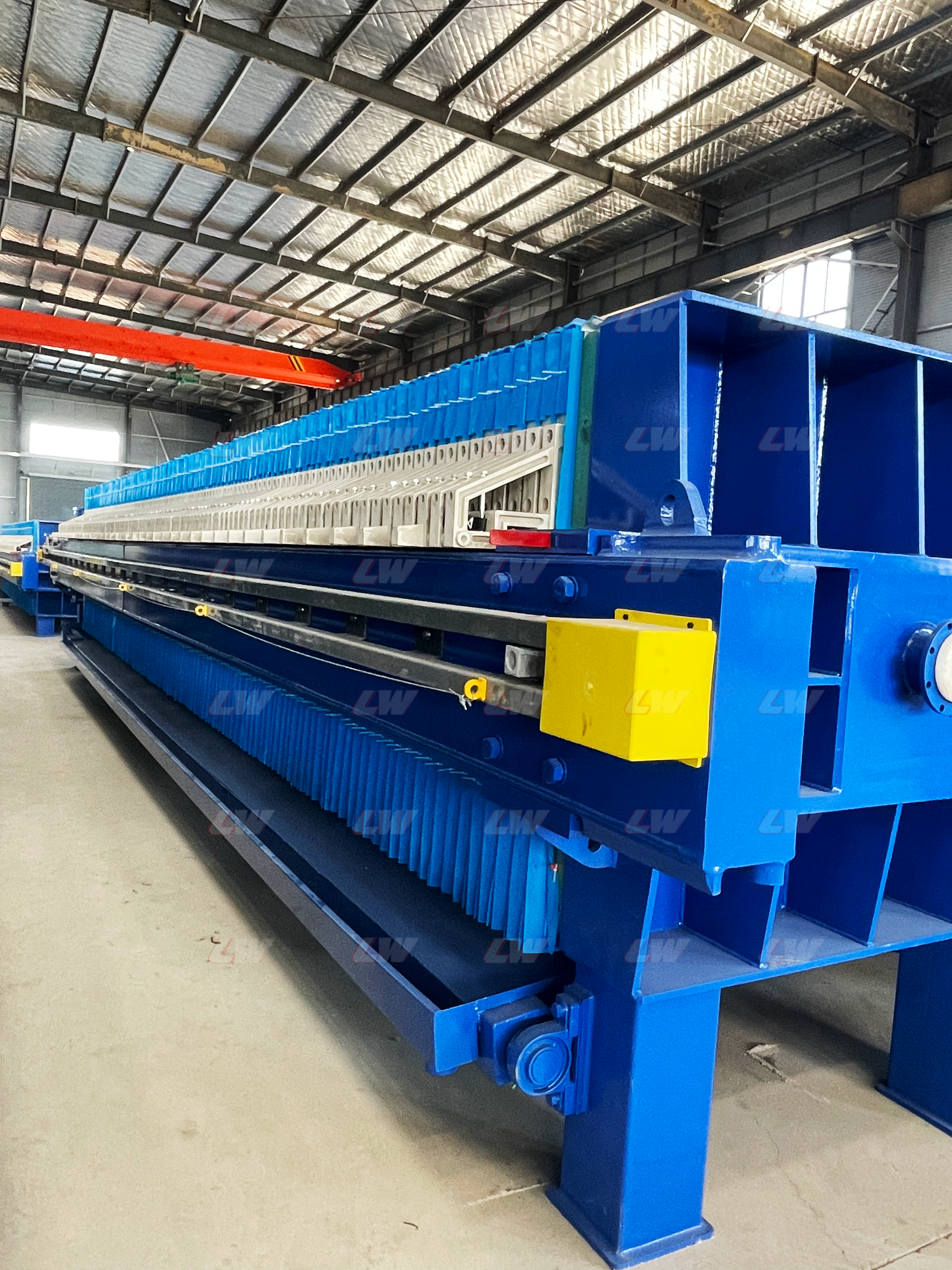
- Direct manufacturerBespoke single units and OEM volume runs come off the same line, with the same inspection records behind both.
- Drawings before productionCAD drawings, datasheets and a confirmed schedule are signed off before manufacturing starts.
- Tested before shipmentPressure and dry-cycle test on every press, with video and report packed in the shipment file.
- 25+ years of experienceCustom presses running in 56+ countries, each with a 2-year warranty on the press.
- Supported after start-upOperator training, spares packages and remote troubleshooting from the engineers who sized the press.
Customized Filter Press QuestionsWhat buyers ask before commissioning a bespoke build
What information do you need to quote a custom filter press?
Slurry characteristics (solids content, pH, particle size), capacity per batch or per hour, the cake moisture target, available space, site utilities and any compliance requirements. Our technical questionnaire walks through these, and where a value is unknown the bench test produces it.
Can you upgrade or retrofit a press we already run?
Yes. Automation upgrades, plate replacement in a different material, capacity extension and membrane conversion are all standard retrofit work. Send the current nameplate and a few photos and we will assess what the frame can carry.
What is the lead time for a customized press?
25–60 days from drawing approval, depending on materials and automation scope. The schedule is confirmed in writing at order stage and tracked through to the wet test.
Do you build customized presses for OEM partners?
Yes. White-label builds follow your branding and technical standards, with the same inspection records and test video as a Loway-branded machine.
Can the press be designed to fit an existing building?
Yes. Send the layout or a CAD file; frame length, plate orientation, overhead clearance and the piping route are adjusted to the space before the drawing is issued.
Which component brands do you use for electrics and hydraulics?
Siemens, Schneider or ABB for electrics and Rexroth for hydraulics as standard. If you keep a preferred vendor list for spares compatibility, we source against it.
Should we run a bench test before the design?
Where slurry data is thin, yes — a bench test costs far less than correcting a wrongly sized press later. A bench test on 5–600 L of slurry returns cake moisture, cycle time and cloth performance, which sets the plate pack and membrane choice and de-risks the scale-up to a production press before any steel is cut.
Get a Customized Filter Press Proposal
Send the slurry data, the cake target and the site envelope. Loway returns a plate pack, material and automation proposal with a confirmed schedule — and a bench-test option where the data is thin.