

Home · Solutions · Fine Solid Separation
Fine Solid Separation
Fine Solid Separation That Protects Your Whole Line
Coarse screens catch the rags you can see. It is the hair, fibres, grit and fine solids that get through which rag your pumps, blind your filter cloths and block your distribution nozzles. Loway fine screening and filtration equipment removes them at the head of the process — where removal costs cents, not shutdowns.
Diagnose first
Which Fine Solids Are Causing Your Problem?
Four fine-solid classes cover almost every case we see. Find yours — the card says which machine catches it.
Hair, Rags & Fibres
Municipal sewage, textile and laundry waste. Strands weave into ropes that wind around impellers and screw shafts.
Fine screen + grinder
Food & Organic Fines
Food processing, dairy, breweries. Soft particles that smear through coarse screens and putrefy in tanks.
Rotary drum fine screen
Grit & Sand
Wineries, aggregates wash, tunneling. Abrasive particles that settle, blind cloths and wear rings and bearings.
Screen ahead of the line
Suspended Bio-Fines
Recirculated process water, polishing loops. Fines that carry over into pumps, nozzles and heat exchangers.
Rotary drum filter
The equipment
Four Machines That Stop the Catching
Each is a Loway product line built in the same plant as our filter and screw presses — sized to your channel, flow and particle load. The four together cover everything from front-of-line coarse screening to fine-filtration polishing.
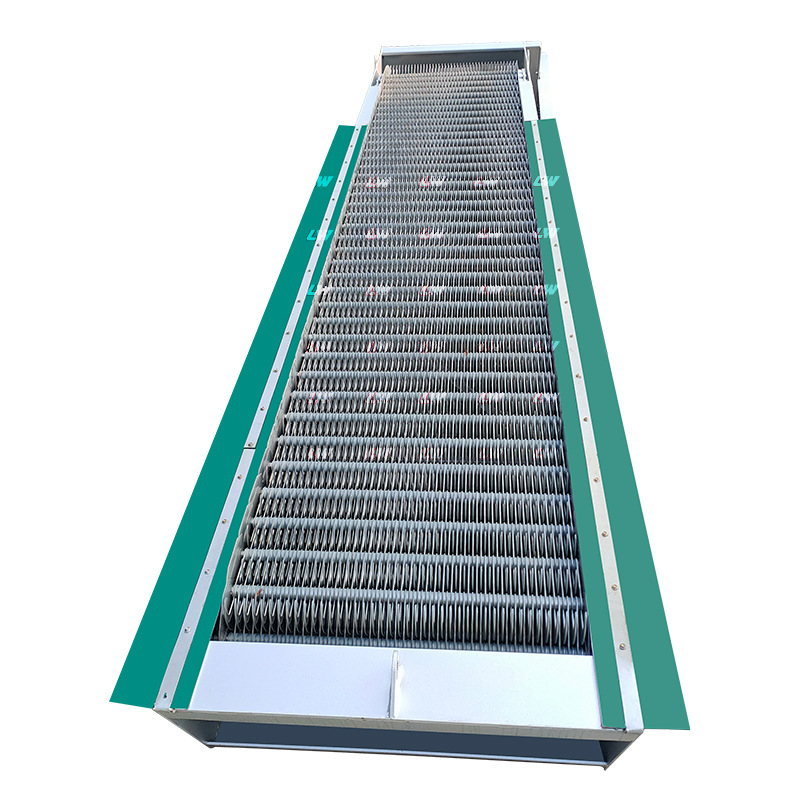
Rotary Bar Screen Multi-Rake
Front-of-line coarse screening — rotating bar racks with multiple rakes lift large floating debris, rags and stringy solids out of the channel before they meet anything downstream. Built for high-solid municipal and industrial intakes; the rakes lift continuously so the screen never blinds under load.
Multi-rake continuous lift
Handles high solid loads
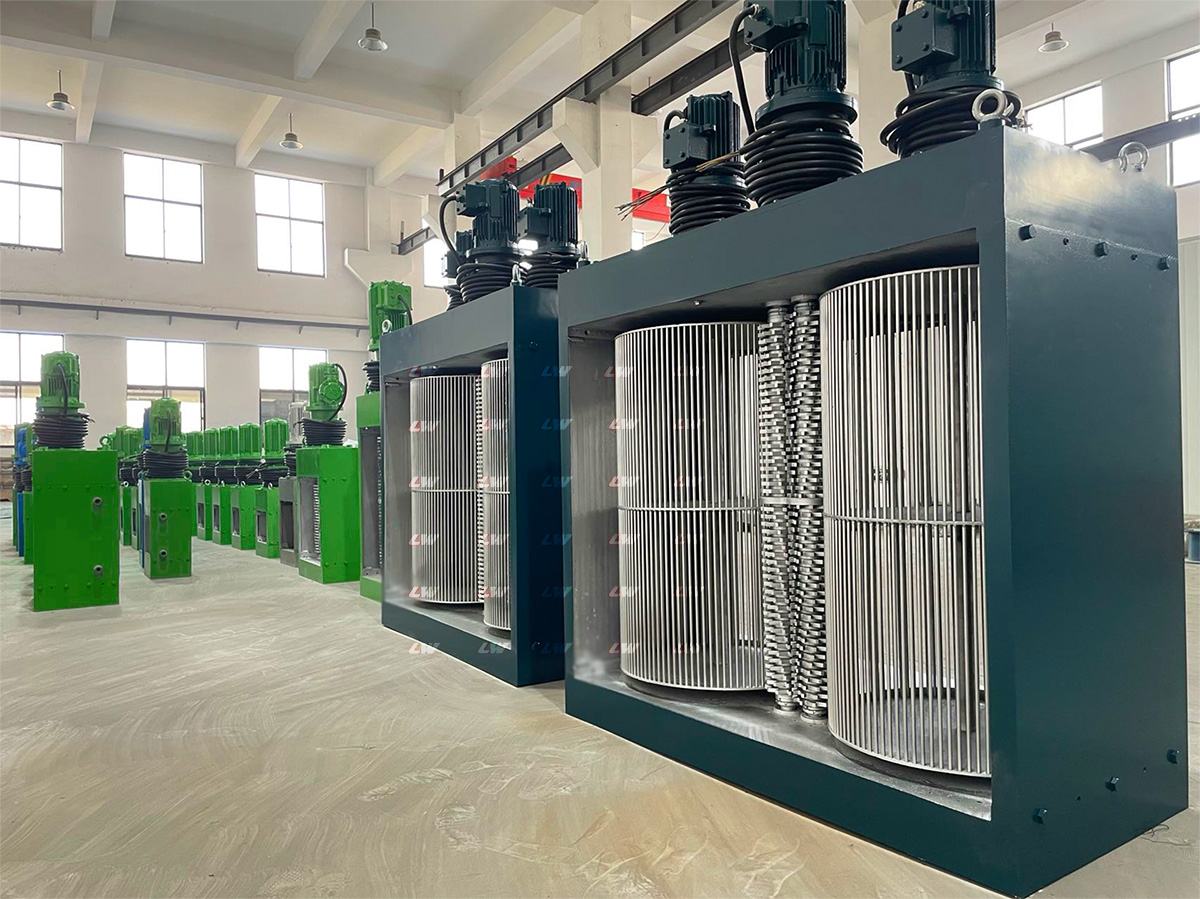
Twin-Shaft Channel Grinders
High-torque macerators that shred rags, plastics and stringy solids in the channel — instead of letting them meet your pumps first. The quiet alternative to nightly de-ragging shifts, in single, double and vertical-drum configurations.
Zero-clogging continuous duty
Channel, pump-lift or inline
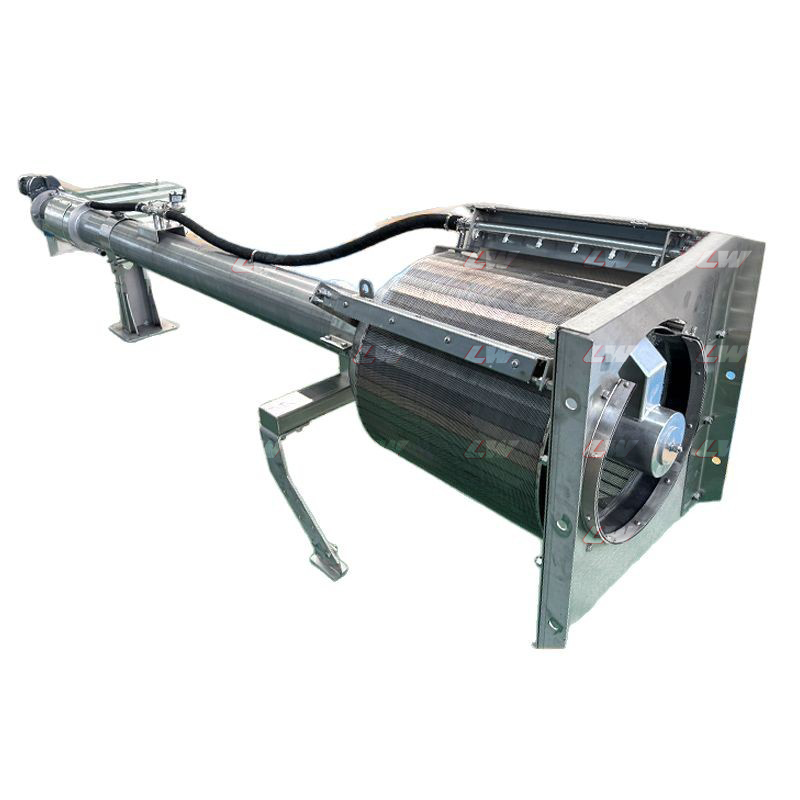
Internal Rotary Drum Fine Screens
Wedge-wire or mesh baskets from coarse down to super-fine filtration grades, fed from inside the drum. Solids are lifted, dewatered on the basket face and discharged into a bagger or conveyor — continuous, self-cleaning, and low enough in headroom to retrofit into existing channels.
Continuous self-cleaning duty
Channel retrofit friendly
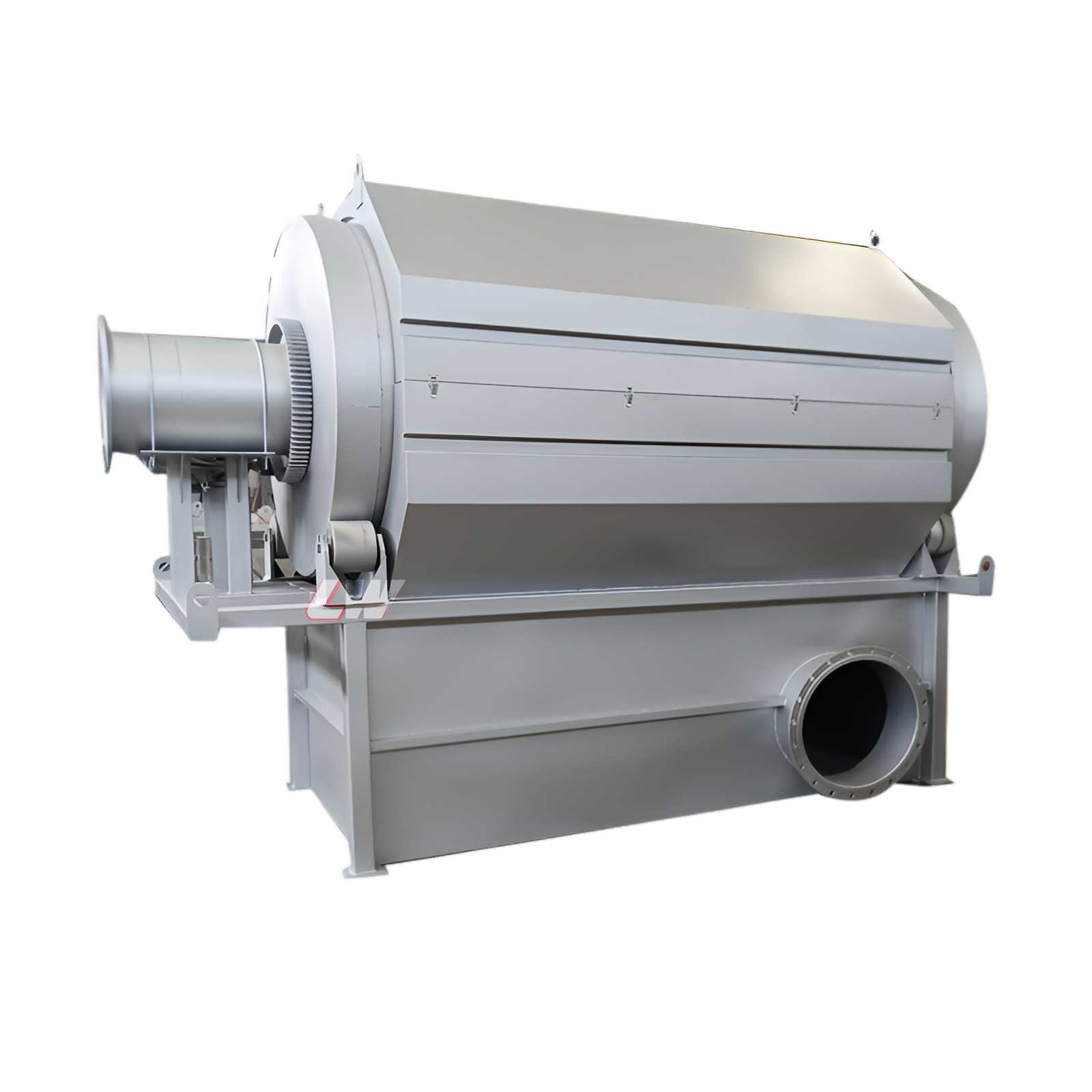
Rotary Drum Filters
Fine filtration for process water and polishing loops — the stage that stops suspended fines from reaching your pumps, nozzles and heat exchangers. Also the pre-thickening stage in many dewatering lines, lifting feed solids before the press.
Doubles as pre-thickening
Clear filtrate return
The other budget
What Fine Solids Cost When They Get Through
Nobody budgets for fines — they budget for what fines do next. Three failure paths show up in almost every plant that skips fine separation:
Pumps That Rag
Fibres wind around impellers until the pump trips or seizes. Unscheduled stop, teardown on a wet floor, and a maintenance shift that was not planned — again.
Cloths & Mesh That Blind
Fines pack into filter cloths and screen mesh, and every wash cycle gets longer while throughput drops. Polymer dose creeps up to compensate — a cost that compounds daily.
Nozzles & Ports That Block
Distribution nozzles, spray bars and heat exchangers clog on fines that a 2 mm screen never saw. Cleaning becomes a routine task instead of an exception.
Match the particle
Match the Particle to the Machine
Typical duty boundaries — final sizing depends on flow, channel depth and how much water comes with the solids.
| Your feed | First choice | Why |
|---|---|---|
| Rags & solids in raw sewage | Channel grinder | Macerate in the channel — protect every pump downstream of it. |
| Screenings in a loaded channel | Rotary drum fine screen | Continuous capture and dewatered discharge, retrofit into existing channels. |
| Suspended fines in process water | Rotary drum filter | Polishing loop protection — clear filtrate back to the process. |
| Thin sludge ahead of a press | Rotary drum filter (thickening duty) | Lift feed solids first — a smaller, cheaper dewatering core afterwards. |
| Whole line, six stages | Complete system | Screening through cake conveying, one supplier, one PLC. |
Sizing is one message away
Tell Us the Particle — We’ll Name the Machine
Flow, channel dimensions and a photo of what your screens catch today are usually enough for a first sizing. An engineer replies within 24 hours, in your language.