Industry Applications · Municipal

Sewage Sludge Dewatering for Wastewater Treatment Plants

A treatment plant makes sludge every day, and where that sludge goes decides what the dewatering plant has to do. A landfill needs a cake that stacks and can be covered; an incinerator needs one dry enough to burn without extra fuel; a composting or farm contract needs one that handles cleanly. Dewatering is the cheapest way to cut the tonnage you haul, and we build screw presses, belt presses and membrane presses, so the machine follows the disposal route rather than the other way round. Tell us about the plant and we will come back with the sewage sludge dewatering route that fits it, along with the test data behind it.
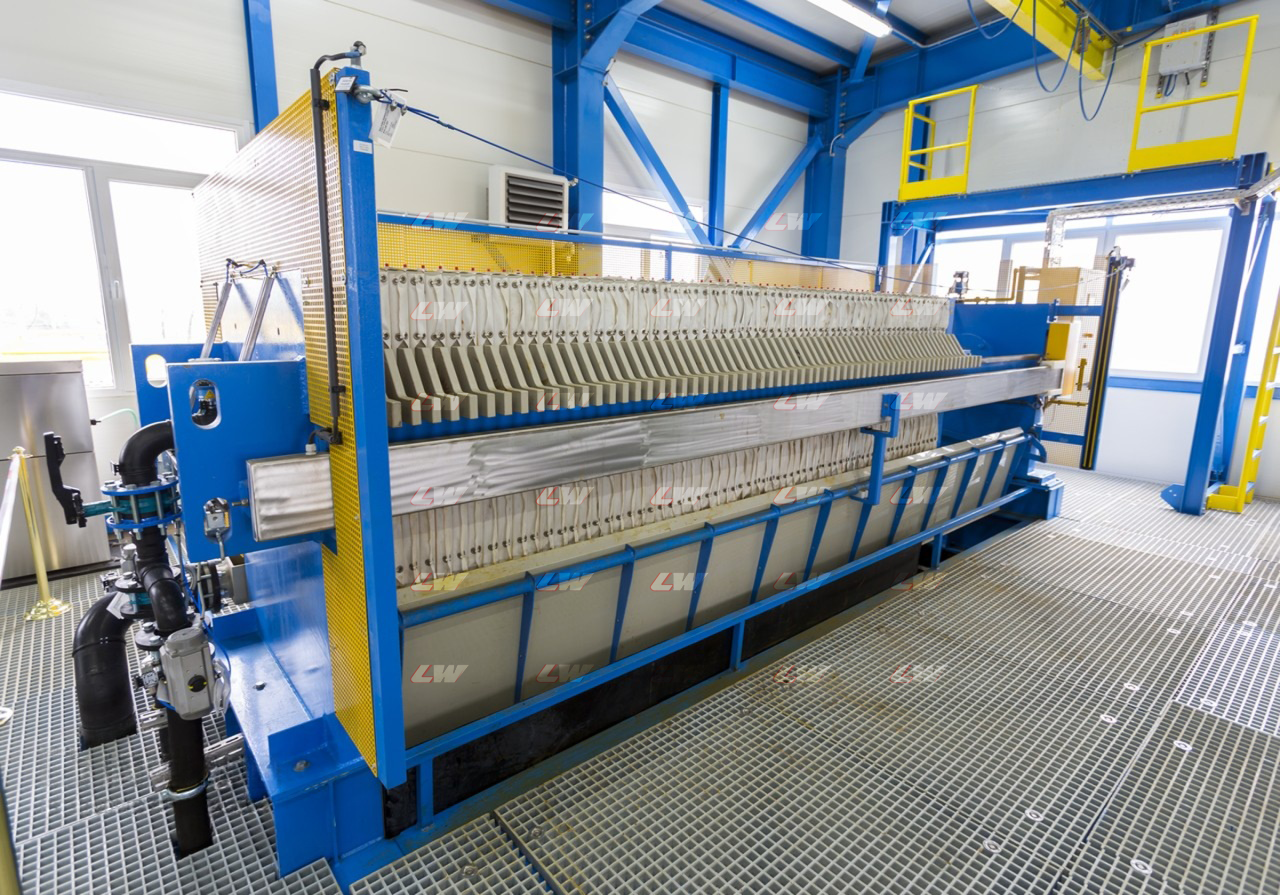
Membrane filter press installed for sewage sludge duty
Membrane filter press built for sewage sludge duty

The sludges

Three sludges, three different jobs for the machine

One plant produces several sludges, and they do not release water in the same way. Getting the right one is where sewage sludge dewatering starts: size the machine on the wrong sludge and it will not match what the plant actually produces. Two samples taken a season apart usually settle the question.

A

Primary sludge

Coarse, mineral-heavy and quick to thicken. Its water sits between the particles rather than inside them, so it drains freely. The limits here are throughput and grit wear, not chemistry, so plan for screens and grit removal ahead of the press.

B

Surplus activated sludge

Dilute, fine and gelatinous. The flocs hold much of their water inside a gel structure rather than between particles, which makes this stream the hardest of the three to dry. It usually needs thickening first, it uses the most polymer, and it decides whether sewage sludge dewatering runs smoothly or struggles through the shift.

C

Digested sludge

Stabilised after anaerobic digestion, and usually easier to dry than the activated sludge it came from, because digestion breaks down the gel structure that held the water. Its behaviour follows digestion performance, so polymer dose and cycle are fine-tuned on site rather than fixed at the ordering stage.

Most plants blend these streams before dewatering, and the blend is what the machine should be sized against, not any single stream. That is why we ask for the mixed sludge analysis rather than the design figures. Municipal sludge dewatering picked on design figures alone ends up sized for a blend the plant stopped producing years ago, because domestic sewage treatment plants rarely run the blend their drawings assumed.

Three routes

Screw press, belt press or filter press — picked by the plant

Work backwards from where the cake goes. The disposal route sets how dry the cake has to be, and that dryness sets the machine. Three routes cover most sewage sludge dewatering duties, and once you know the destination and who runs the plant, the choice usually makes itself.
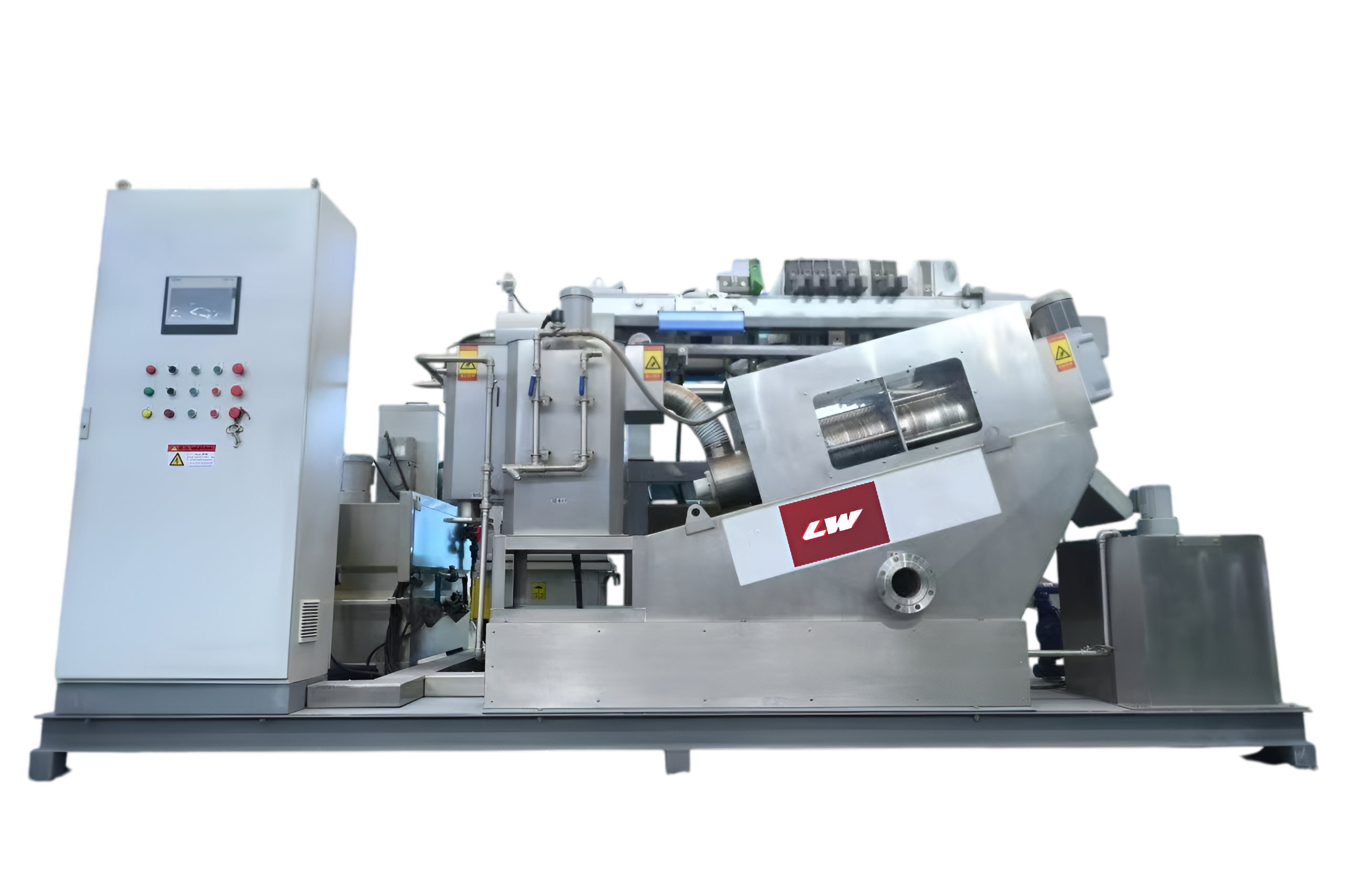
Multi-disc screw press with PLC control for small and medium sewage works Route 1

Screw press — small to medium plants

Enclosed, slow-running and light on power, with nobody standing at the machine. It is the usual answer where a plant runs one shift and sewage sludge dewatering simply has to keep going — see the screw press. It also needs the least building around it, and it suits cake that is hauled, composted or spread rather than burnt.
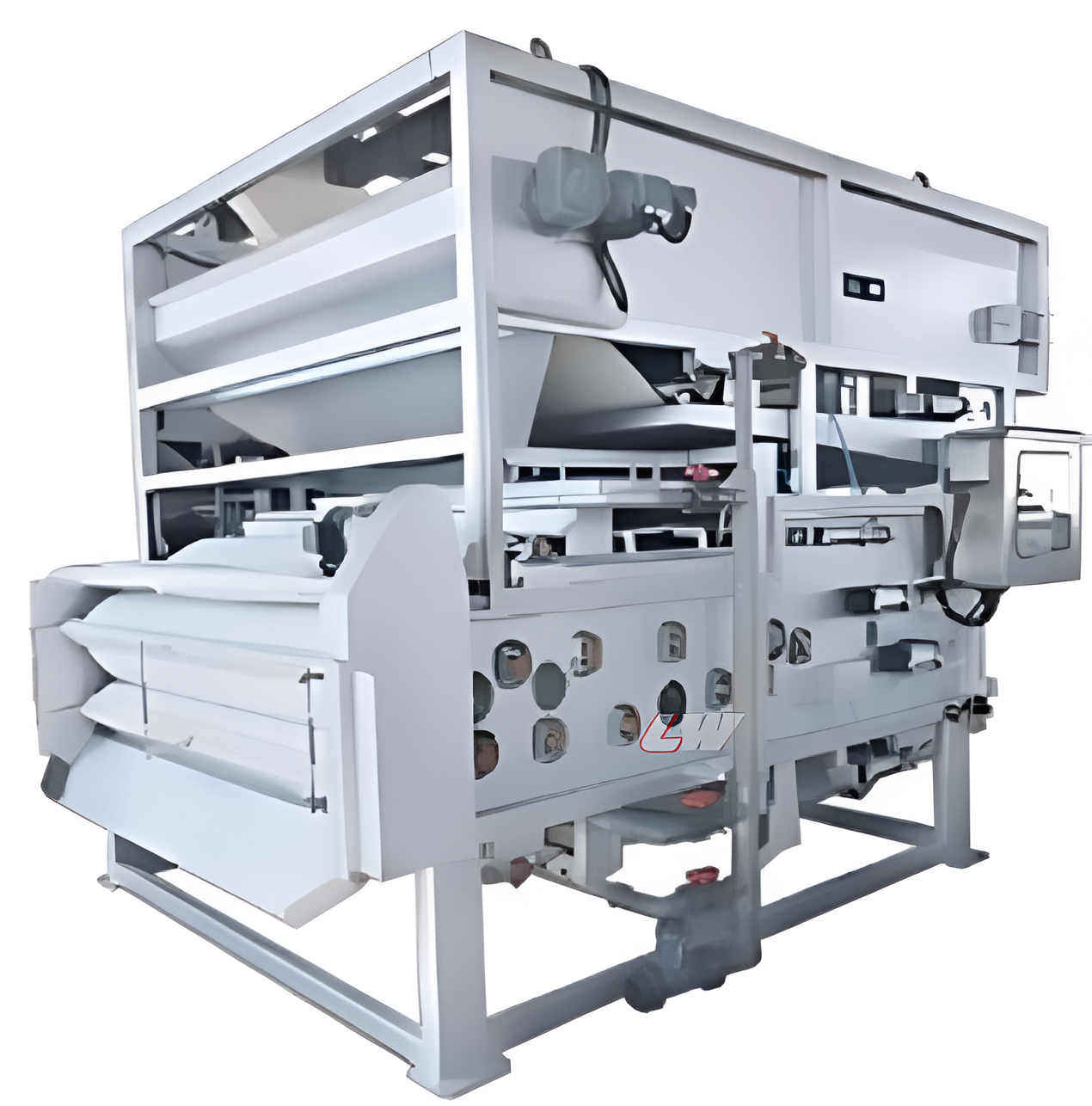
Skid-mounted belt filter press for large continuous sewage sludge duty Route 2

Belt press — large continuous duty

Continuous operation at high throughput and the lowest capital cost per tonne of capacity — the route most large plants take on sewage sludge dewatering. See the belt filter press, including skid-mounted layouts that arrive piped and wired. It carries the tonnage a whole city produces and holds its cake through a long shift.
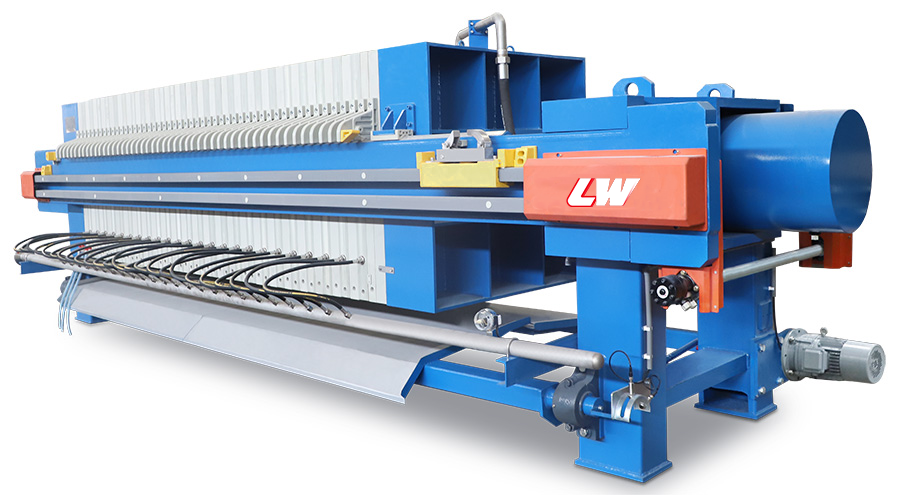
Membrane filter press for deep dewatering ahead of incineration or landfill Route 3

Membrane press — when the cake has to be driest

Where an incinerator or a dryer sets the bar, a membrane press pushes the cake well below what gravity machines reach. Burning water is an expensive way to dry sludge, and this is where sewage sludge dewatering pays for itself. The press costs more per tonne of capacity, but it earns that back downstream. See the membrane filter press.

The three are not a ranking. The destination and the people who run the plant decide it, and once a plant answers those two it usually finds its route on its own. If two still look close, we compare them on your numbers, including the polymer and power each one would use — the part of sewage sludge dewatering most plants skip.

Six duties

Where sewage sludge dewatering equipment is used

A plant is not one duty. It is a new building, an old one being stretched, a side stream from tertiary dosing, and a wet week that doubles the sludge. Disposal rules are also tightening in most places, so the cake a plant was built to produce is often wetter than the one its contract now asks for. Below are six places where sewage sludge dewatering equipment has to work, each with its own constraint and the machine that answers it.

01

A dewatering house built for the first time

On a new plant the building goes up before the machine is chosen, and the base, the pipe runs and the maintenance clearance are set by drawings nobody goes back to. We issue layout and interface drawings early, so the civil work matches the machine that arrives. Getting the layout right before the concrete goes down is the cheapest decision in sewage sludge dewatering.

What you get — one concrete pour, and a house the press actually fits.

02

An existing plant being stretched

Most upgrades start with volume: more sludge than the building was designed for, and no spare floor to put a second machine on. An integrated pre-thickening belt press removes one process step and the tank that goes with it, which is often the only way a retrofit fits. Upgrades often move the disposal route as well, so we check the new cake specification before sizing anything. The goal is usually more capacity without extending the building.

What you get — more capacity inside the footprint you already have.

03

Chemical sludge from tertiary treatment

Dosing for phosphorus removal produces a sludge that behaves differently from the biological one, because it holds water and clogs filter media sooner. We ask for that stream separately and test it on its own. A machine sized on the biological sludge alone will struggle with sewage sludge dewatering once tertiary dosing starts.

What you get — the new process stage does not overload the dewatering house it feeds.

04

Ahead of drying or incineration

Thermal drying and incineration are billed on the water you send them, so it pays to take more of that water out mechanically first. Landfill space is shrinking and farm-spreading contracts are under review in many regions, so more plants are being asked for a drier cake than the one they were built around. A membrane press takes the cake further than gravity machines can, and the saving shows up in the energy and haulage bills later on. The cheapest place in the chain to remove water is at the press.

What you get — a smaller thermal plant or fewer tonnes to dispose of, paid for at the press.

05

Emergency and temporary duty

A shutdown, a wet-weather peak or a machine out of action all leave the same problem: the sludge still has to leave the site. A skid-mounted press arrives piped and wired, sits on a concrete pad and keeps sewage sludge dewatering running while the permanent plant is repaired. There is nothing to build and nothing to pour.

What you get — continuity through the weeks that would otherwise be spent waiting. See the belt filter press in a skid-mounted layout.

06

Small plants and satellite stations

A village station or a satellite site has no one standing at the machine and may only run part of the day, but sewage sludge dewatering there still has to keep going. An enclosed screw press runs slowly, draws little power and is checked once a shift. That is the route we recommend most at this scale, because it asks the least of the staff.

What you get — a plant that runs itself between visits. See the screw press.

Yours may sit between two of these. Send the layout drawing and say where the sludge comes from, and we will size sewage sludge dewatering from your streams rather than from a standard model.

Where it sits

Where dewatering sits in the treatment train

The dewatering machine is one link in a chain, and in domestic sewage treatment the links upstream decide how well it performs. Most faults blamed on the press actually start ahead of it, and sewage sludge dewatering is no exception. Fix a problem upstream and the dewatering plant improves without being touched.

  1. 01

    Headworks screening

    Rags, grit and debris come out first. Screens and wash presses from our screening equipment range protect everything downstream, including the dewatering plant. A screen that passes rags costs you in blockages later, so this is the cheapest place in the plant to stop trouble.

  2. 02

    Biological treatment

    The aeration stage produces the surplus activated sludge that becomes the dewatering plant’s main feed, and its condition sets how much polymer the press will need.

  3. 03

    Thickening

    Gravity or mechanical thickening raises solids content before dewatering. Feed that arrives too thin spreads across the belt instead of forming a cake, which is the usual reason a press runs badly. An integrated pre-thickening unit can merge this step with the press and remove the tank that goes with it. Tight sites ask for this first, and it is often what makes a retrofit possible.

  4. 04

    Dewatering

    Conditioning comes first: polymer gathers the fine solids into flocs that release water, and the dose is set by jar test rather than by habit. The machine then turns thickened sludge into cake and a clear filtrate, which returns to the head of the plant carrying part of the load with it. This is the only step that produces something you have to dispose of, so it sets your haulage bill. It is also where the cost of sewage sludge dewatering is won or lost.

  5. 05

    Disposal or reuse

    Landfill, incineration, land application or drying. The route sets the cake specification, so settle it first — sewage sludge dewatering is sized to that specification, not the other way round. Domestic sewage treatment contracts are written on tonnage, and water is the cheapest thing to take out.
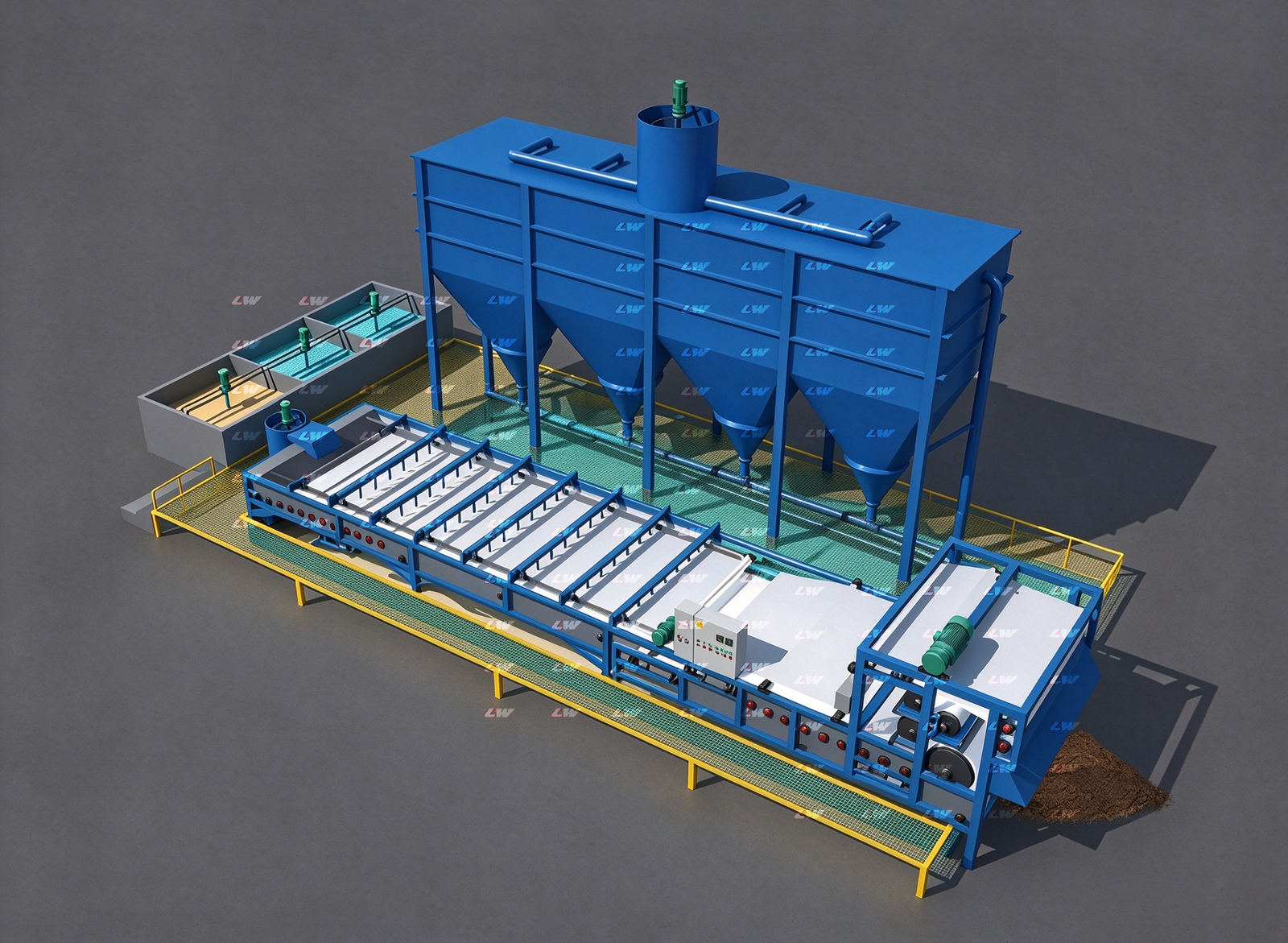
Integrated sludge pre-thickening and belt filter press unit

Where site space is tight, thickening and dewatering can be merged into one machine. That is the usual fix for a sewage sludge dewatering building with no room left for another tank. An integrated pre-thickening belt press removes a whole process step and the civil work that goes with it, and that civil work is usually the expensive part of a retrofit.

Daily operation

The three things neighbours and operators notice

Cake dryness is the number the design is judged on. These three decide whether sewage sludge dewatering is easy to live with once it is running, and they are also the three that generate complaints when they are missed.

Odour, enclosed by design

Screw presses run fully enclosed. Belt presses and filter presses can be supplied with covers, enclosed cake conveyors and ducting connection points, so the building is sealed and vented to odour treatment instead of to the neighbours. Plan the ducting with the building, because adding odour control later means opening up finished work. Enclosing the press also keeps the room cleaner, and we tell you which connection points you need, so the mechanical designer is not guessing.

Energy, matched to the duty

Slow-running screw presses and gravity-fed belt presses use a fraction of the power of high-speed alternatives. Where energy per tonne is one of the plant’s targets, we compare the sewage sludge dewatering routes openly at selection, as a design estimate to be confirmed on your sludge. Power per tonne stays with the plant for its whole life, so it is worth comparing.

Automation, without operators

The plant should run quietly in the background. Feed that swings in strength is the usual reason a press runs well one hour and badly the next, so dosing follows the feed rather than sitting on one setting. PLC control starts and stops on level or timer, keeps polymer dosing in range and alarms on blockage, with panels protected to IP55 as standard and IP65 where washdown applies. Alarms go to the plant SCADA rather than to a local beacon nobody sees, so someone still walks the plant, just not at three in the morning.

Projects & support

One supplier from tender to spare parts

A tender asks for general arrangement drawings, interface points agreed with the civil designer, and a commissioning plan that fits the plant’s operating schedule — on top of the machine itself. On a sewage sludge dewatering tender, drawings and machine come from the same factory, so they match each other. The gaps that usually appear during construction are closed before they open. We issue tender documents with the quotation on request, so the paperwork and the plant arrive together.

After handover, wear parts such as belts, cloths, plates and screws ship worldwide against the unit number, so a cloth change does not wait on a part search. Commissioning support goes to the operating team, not just the contractor, because the people who run the plant every day are the ones who will call for it.

Factory capability, tolerances and inspection points are set out on the company and factory page. For your project that means drawings, machine and spares for sewage sludge dewatering all come from the same factory, and there is one number to call when the plant needs support.
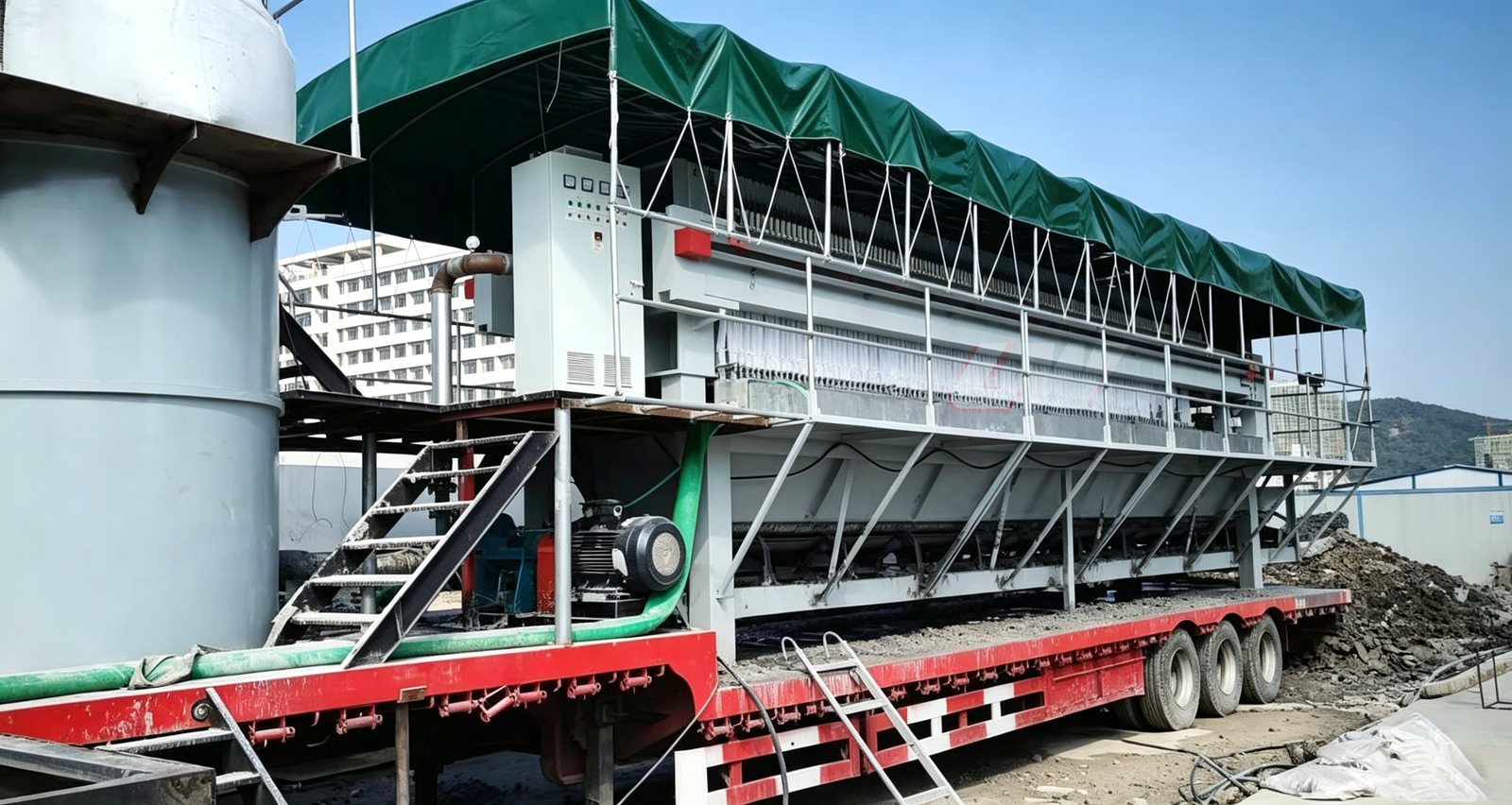
Mobile filter press delivered to a municipal sewage treatment project site
Mobile dewatering unit at a municipal project site

FAQ

Sewage sludge dewatering questions we are asked most

Screw press, belt press or filter press — how should a treatment plant choose?

Small and medium plants with limited staffing usually suit a screw press: enclosed, low on power and built to run unattended. Large plants with continuous high flow get the best cost per tonne from belt presses, and where the disposal contract or an incineration plan demands a much drier cake, the membrane filter press earns its extra cost. If two routes look close, send us the sludge analysis and the disposal terms and we will compare them on your numbers. A plant on one shift and one running round the clock rarely land on the same machine.

What cake dryness should we plan the disposal contract around?

From the disposal route, and then from a test on your sludge. Each route accepts a different moisture range and sets its own terms, so the specification comes out of that negotiation. What we can do is size the plant on your actual sludge and give you the design figure with the data behind it. Cake specification drives the whole sewage sludge dewatering contract, so it deserves real data.

How is odour handled at the dewatering building?

By enclosing the process, not by hiding the sewage sludge dewatering building. Screw presses come fully enclosed. Belt presses and filter presses can be supplied with covers, enclosed screw conveyors for the cake and ducting connection points, so the room can be vented to odour treatment. Plan odour control with the building at design stage, because adding it later means opening up finished work, and we supply the connection points with the machine so the ducting has somewhere to land.

Can the equipment run unattended overnight?

Yes, and most of it does. Unattended running is standard on sewage sludge dewatering equipment, not an extra. PLC control handles start-stop on level or timer, polymer dosing and alarms, and screw presses are the natural choice for unmanned periods while belt presses and filter presses are automated the same way. Panels are protected to IP55 as standard and IP65 where the location sees washdown, and most plants leave it running overnight from the first week.

What do you need to size sewage sludge dewatering?

The sludge: which streams are blended, their solids content, and an analysis if you have one. The duty: population served or tonnes per day, and the hours the plant runs. And the destination: the disposal route and whatever it requires of the cake. With those three, the municipal sludge dewatering route usually selects itself, and anything we assume is written down as an assumption rather than left in the small print.

Can you fit into our existing dewatering building?

Usually. Most of the work we are asked for is retrofit: sewage sludge dewatering units that go into an existing building. We need the available floor area, the door and crane access, and where the cake has to leave the building. If the space will not take the machine the duty needs, we say so at the survey rather than after delivery.

What does the sludge test involve, and who runs it?

We run the test on a sample of your sludge and report cake dryness, polymer demand and cycle time for the route being considered. Those are the three numbers the proposal is built on, and they go out with the quotation rather than after it. If your sludge changes with the season, we will ask for a second sample at the other extreme. The cleanest way to compare sewage sludge dewatering routes is one test, not two brochures.

Tell us the plant, we will tell you the machine

Population served or sludge tonnage, the streams in the blend, and the disposal route. We will come back with a recommendation for the sewage sludge dewatering plant, the assumptions behind it, and a layout proposal alongside the quotation. The comparison costs nothing, and the test report is yours either way. Judge the machine on your own sludge, not on a brochure.

Need a Proposal for Your Dewatering Project?

Our engineers reply with a sizing recommendation and quotation within 24–48 hours.

Need detailed specs?