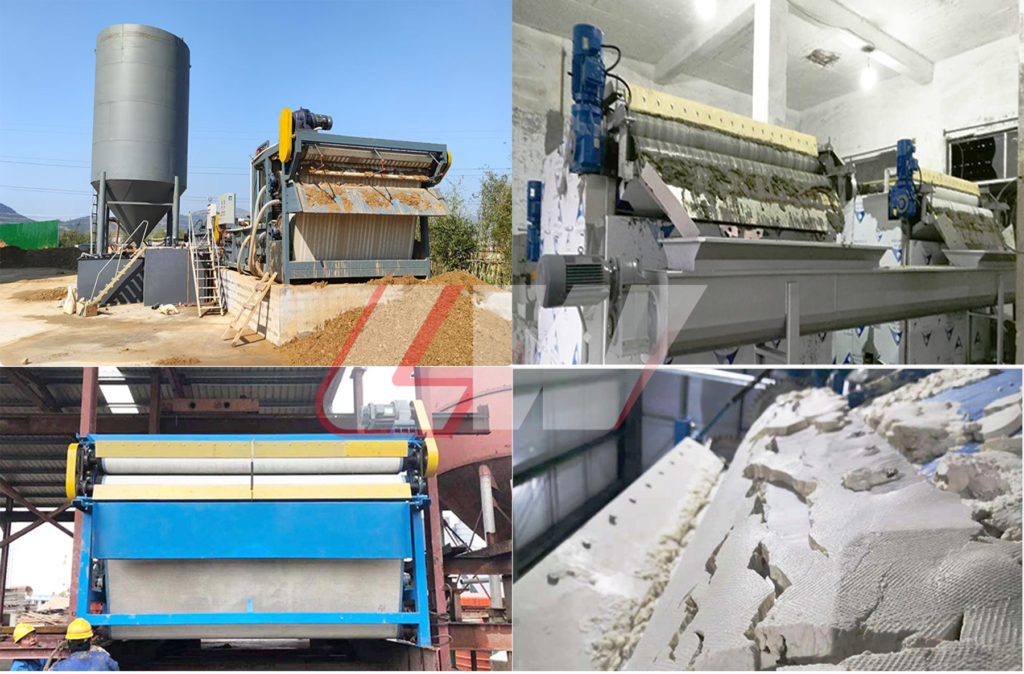
Maximize Cake Dryness with Continuous High-Pressure Dewatering
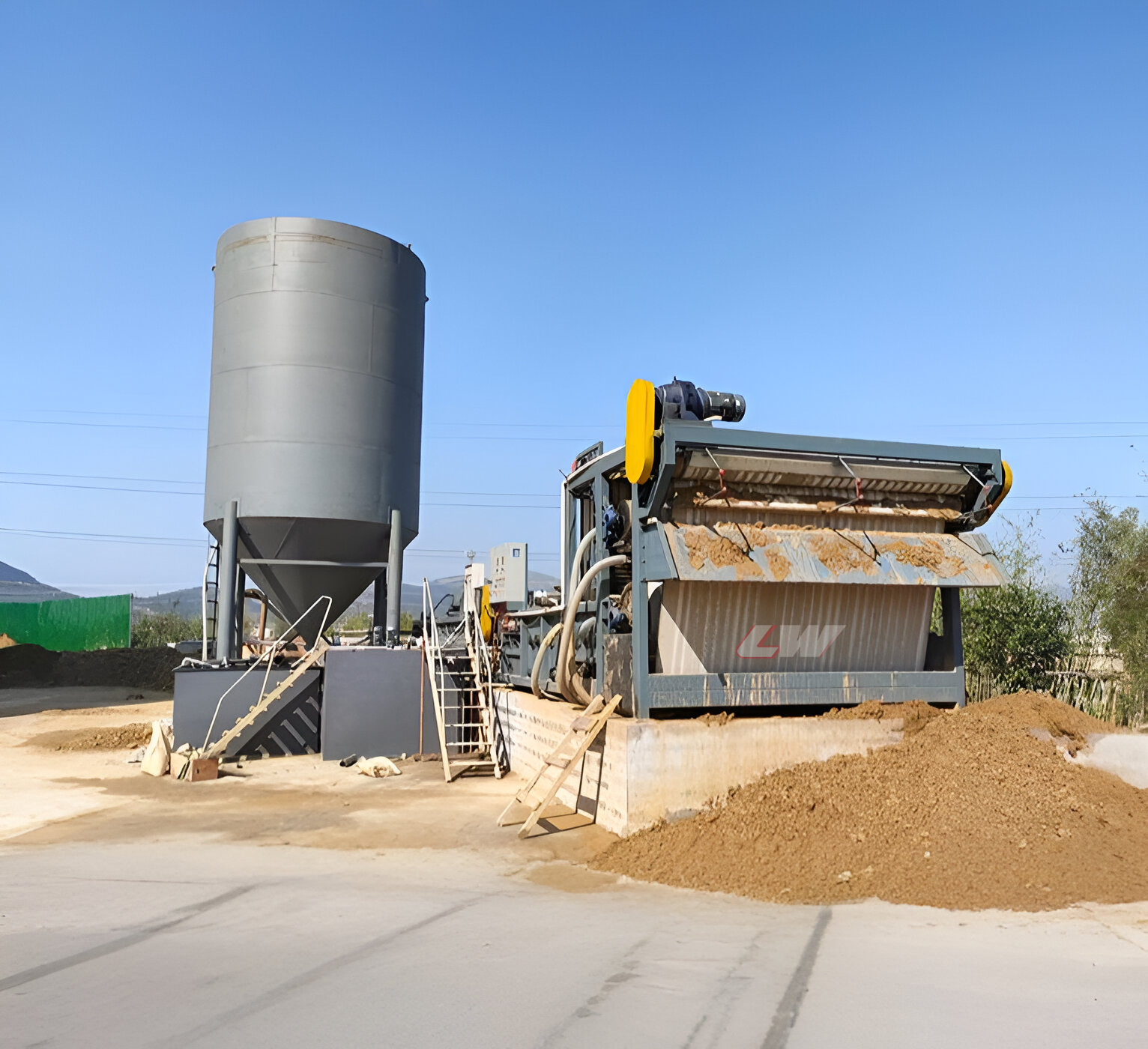
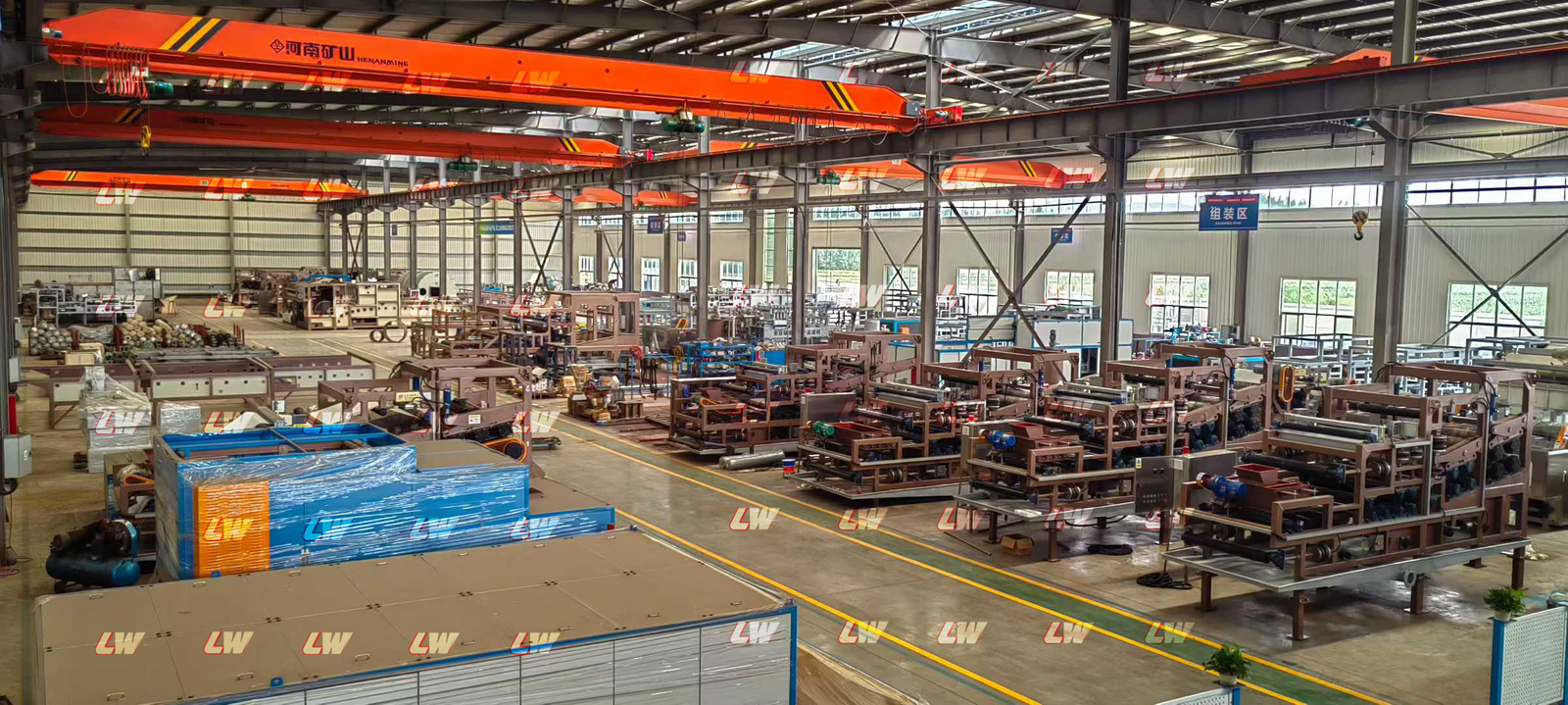
Engineered with an extended high-pressure shear zone and decreasing roller diameters. Loway’s High-Pressure Belt Filter Presses bridge the gap between standard belt presses and plate presses, delivering superior solid-liquid separation for mining tailings, industrial sludge, and municipal wastewater.
The Power of High-Pressure Shear Force
Standard belt presses often leave too much moisture behind. Loway Equipment introduces the next generation of High-Pressure Belt Filter Presses (H-BFP).
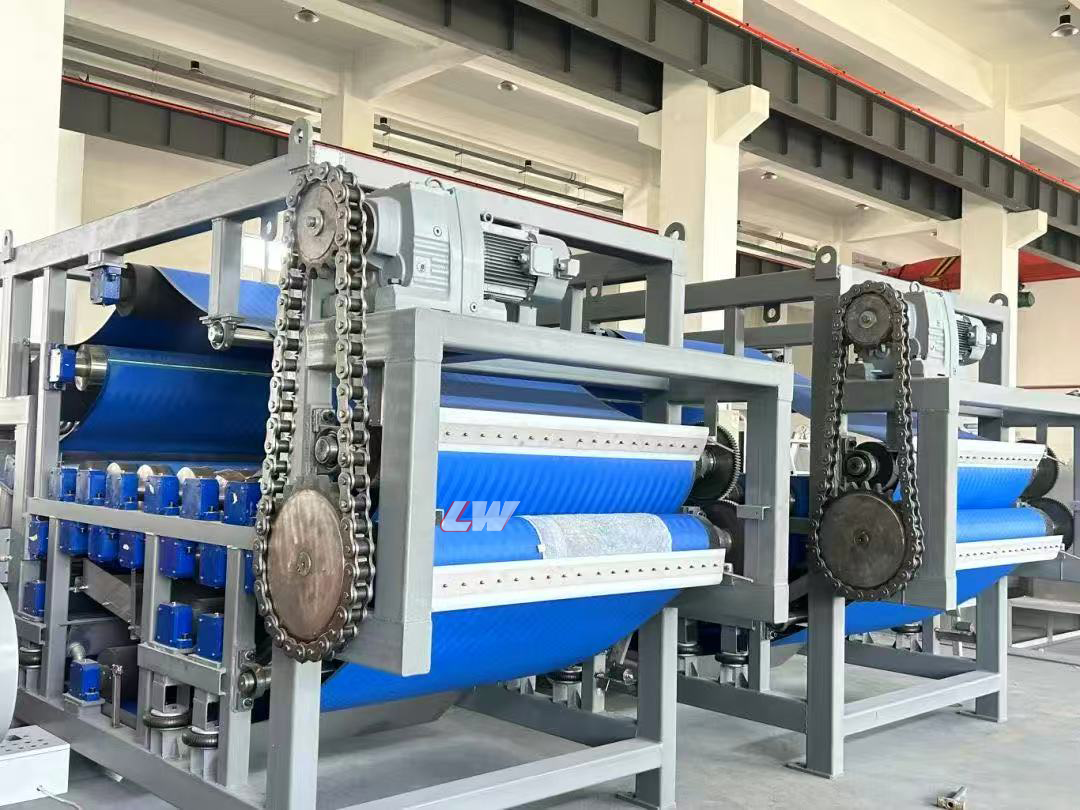
Unlike conventional units, our system features a specialized High-Pressure Zone where the filter belt wraps around a series of S-shaped rollers with progressively decreasing diameters. This design generates immense shear force (up to 1.5 MPa) and surface pressure, squeezing out capillary water that standard machines cannot remove.
Why Upgrade to High Pressure?
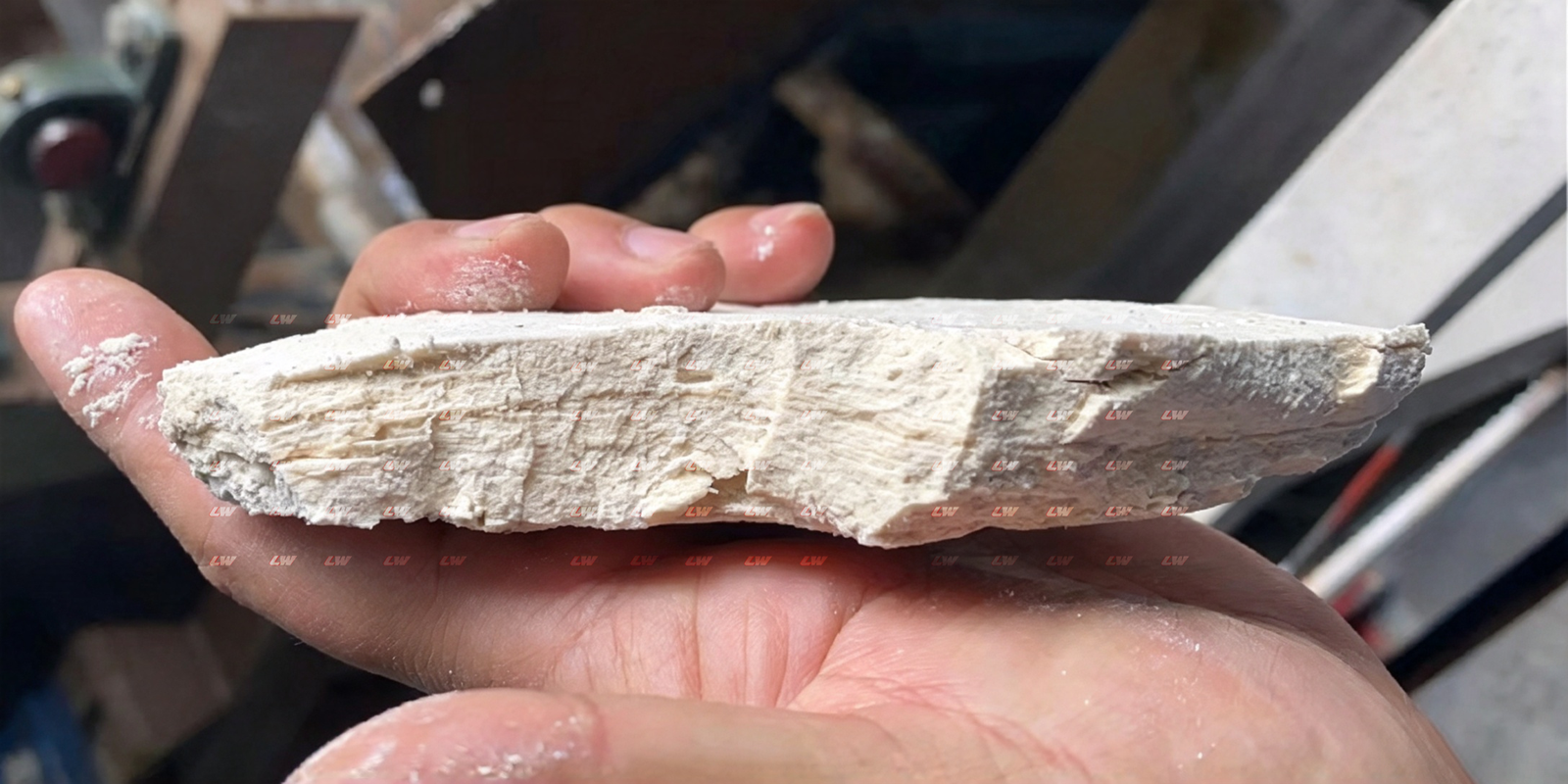
- Drier Filter Cakes: Achieves 5-10% lower moisture content than standard low-pressure units.
- Deep Dewatering: Specifically effective for hard-to-dewater biological sludge and fine mining tailings.
- Continuous Economy: Get the dryness levels approaching a chamber press, but with the 24/7 continuous throughput of a belt press.
4-Stage Progressive Dewatering Technology
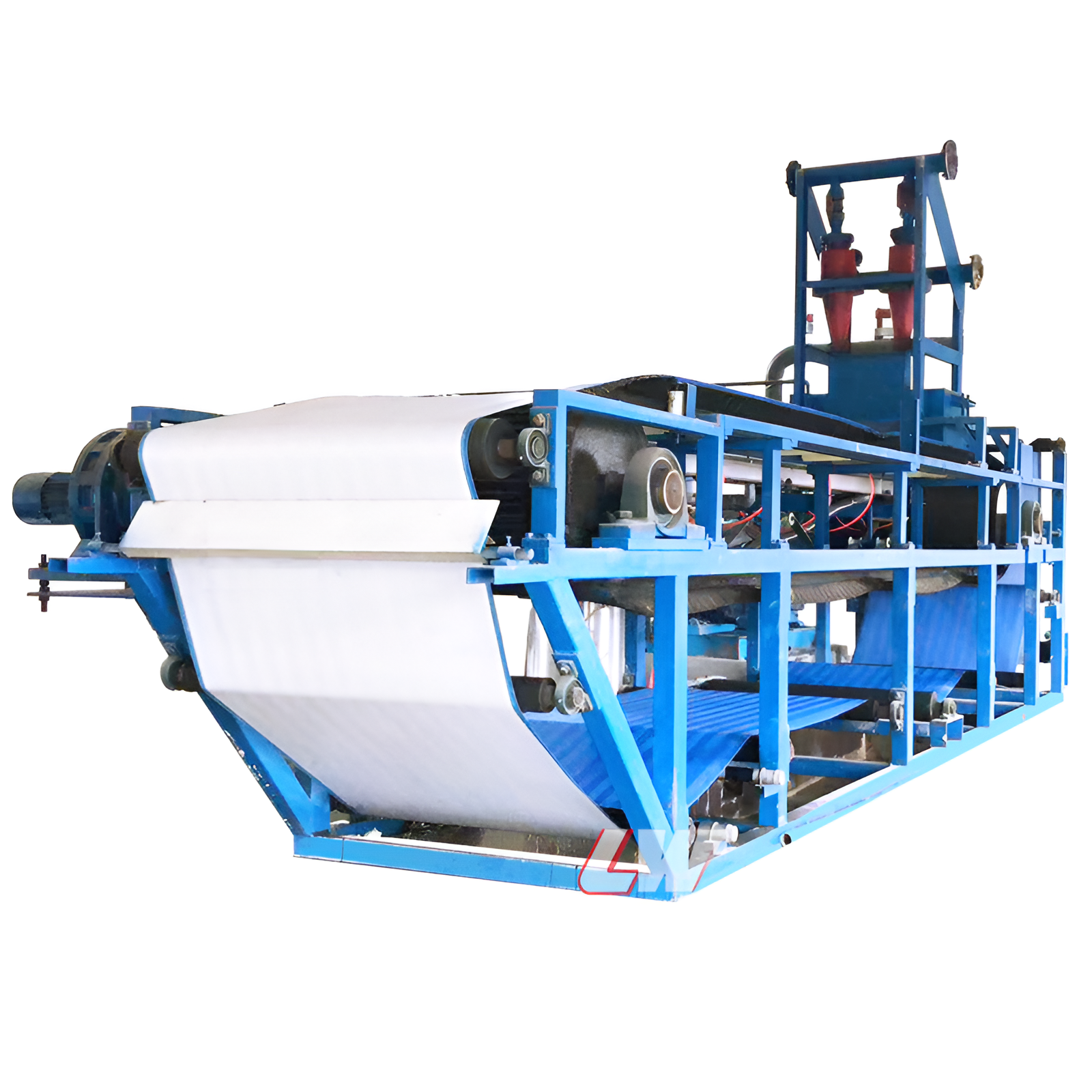
Working Principle of Loway High-Pressure Belt Filter Press:
Our system utilizes a “Chemical Pretreatment + Multi-Stage Physical Squeezing” process to ensure the integrity of flocculated solids while maximizing water removal.
- Stage 1: Chemical Conditioning & Flocculation
Sludge is mixed with a precise polymer (flocculant) in our static/dynamic mixer. This neutralizes charges and binds fine particles into large, stable flocs, releasing free water instantly.
- Stage 2: Gravity Thickening (Free Water Removal)
The flocculated sludge feeds onto the gravity belt. Porous filter belts allow the majority of free water to drain naturally, transforming the sludge from a liquid to a semi-solid state (90-92% moisture) ready for compression.
- Stage 3: Wedge Zone Pre-Compression
The sludge enters the “Wedge Zone” where the upper and lower belts gradually converge. This applies gentle, increasing pressure to stabilize the sludge cake and prevent side-spilling before high-pressure application
- Stage 4: High-Pressure Shear Dewatering
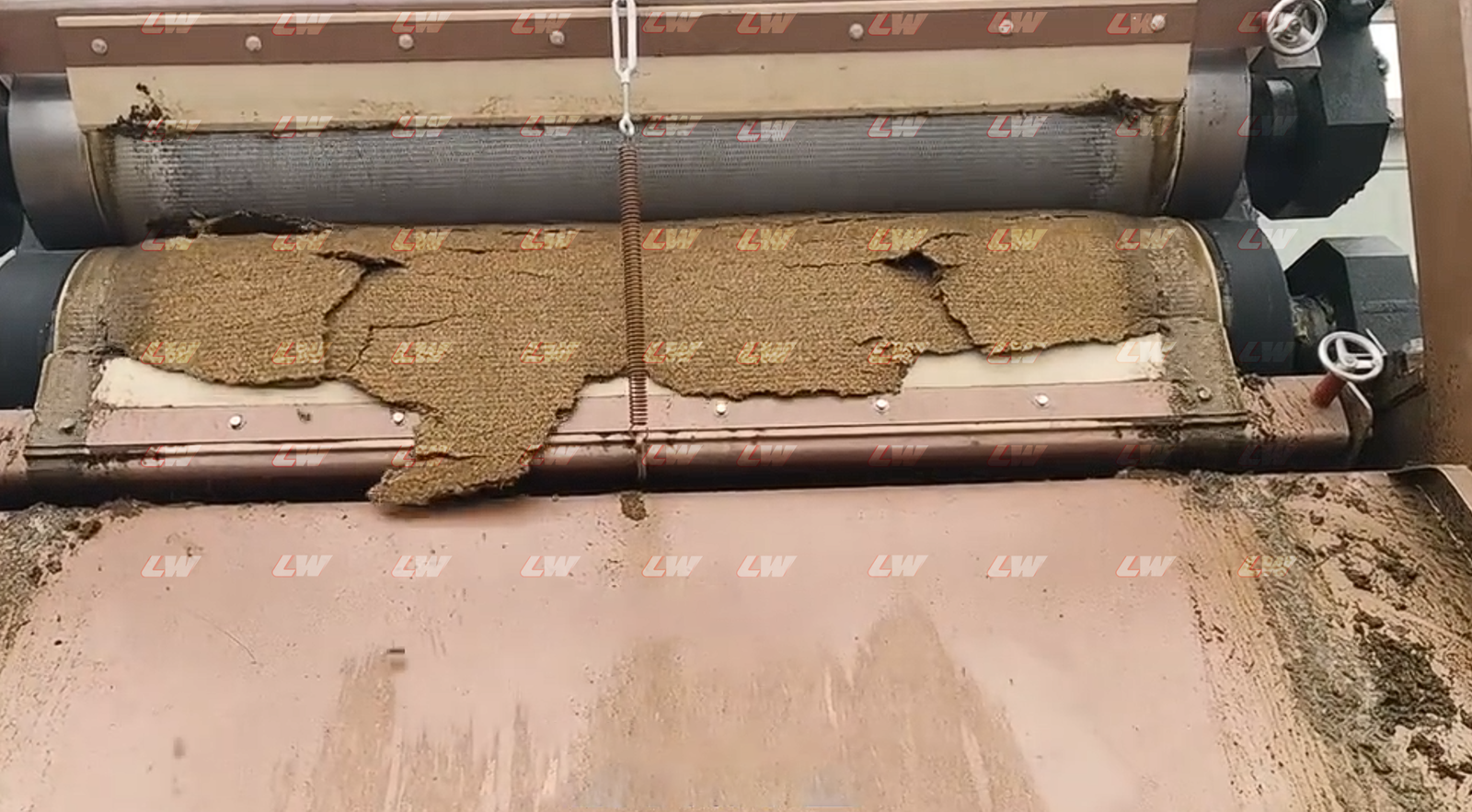
In the final stage, the sludge cake passes through a series of S-shaped rollers with decreasing diameters. The belt tension creates massive shear force (up to 1.5 MPa), squeezing out capillary water to produce the driest possible cake.
Engineered for High Tension and Heavy Loads
Key Features & System Structure
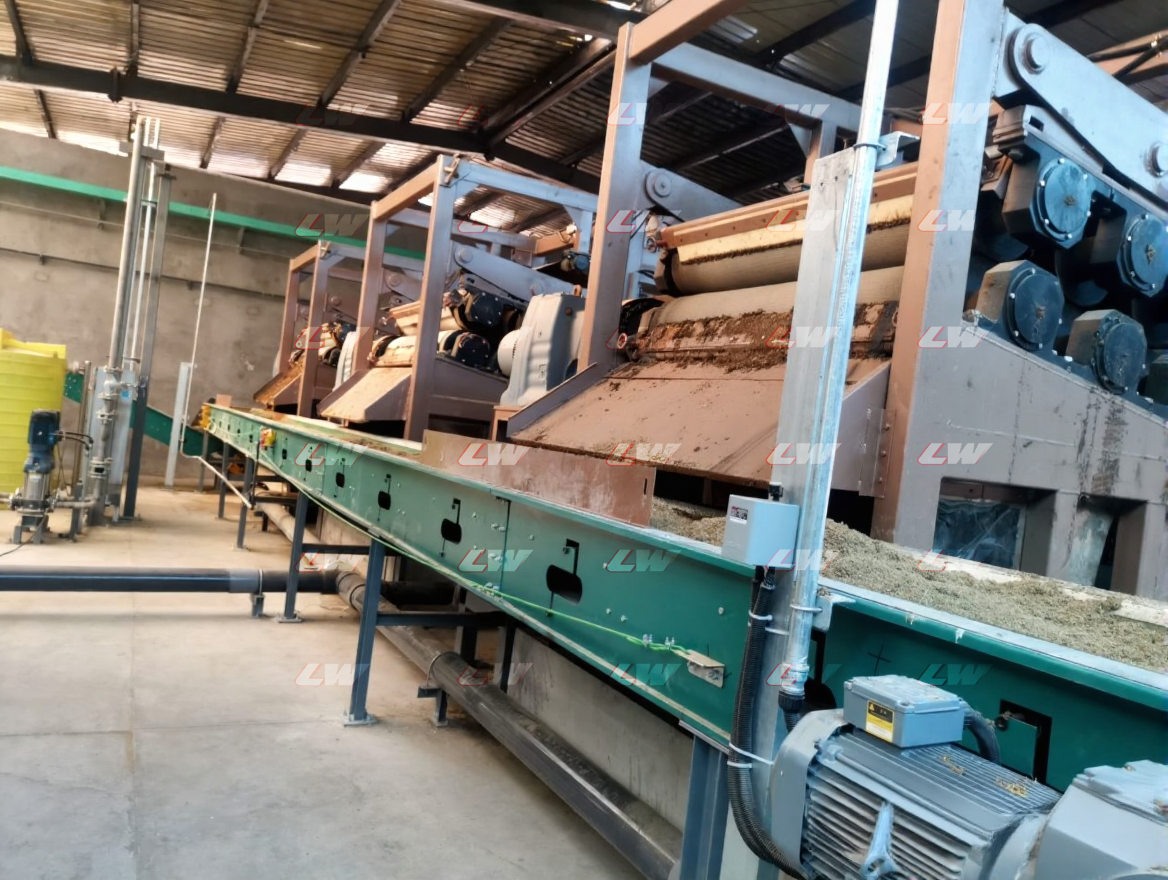
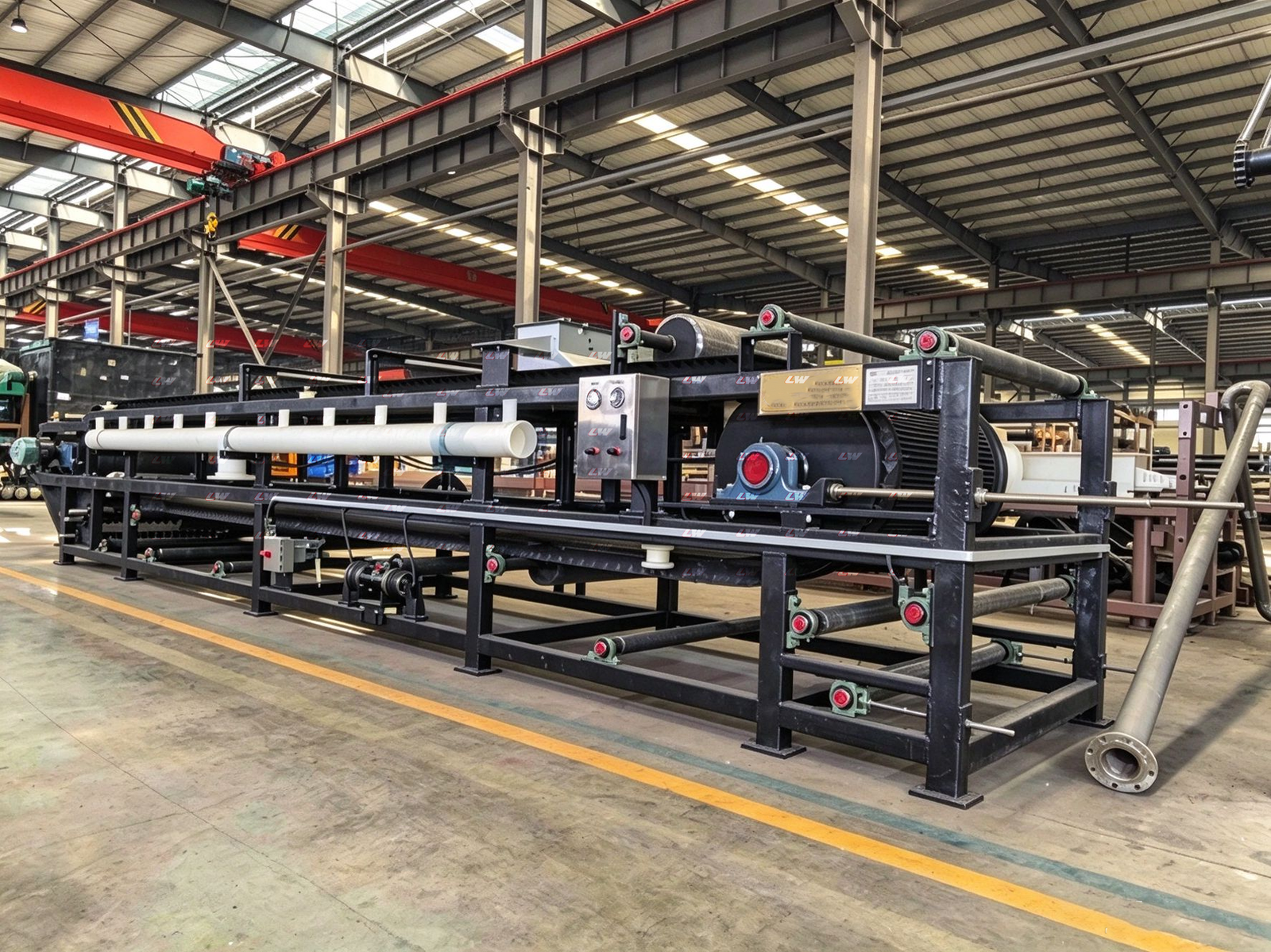
A High-Pressure Belt Press requires a significantly stronger build than a standard unit. We design ours to withstand extreme shear forces without structural deformation.
- Extended High-Pressure Roller Assembly:
Features a specialized array of 6–12+ shear rollers arranged with decreasing diameters. This creates a progressive pressure gradient that maximizes water removal path length and intensity.
- Heavy-Duty Reinforced Frame:
Constructed with high-strength Carbon Steel (or 304/316 Stainless Steel) featuring reinforced cross-beams. Designed to withstand high belt tension (8–10 kN/m) and continuous hydraulic load, ensuring zero frame distortion over decades of use.
- High-Tensile Filter Belts:
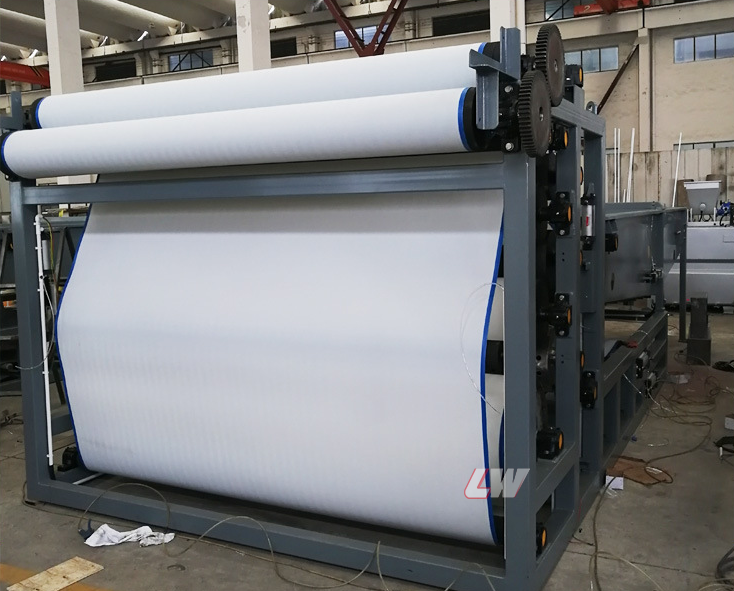
Equipped with premium, multi-layer woven belts (Polyester/Polyamide) specifically designed to endure high mechanical stress and abrasion while maintaining excellent cake release properties.
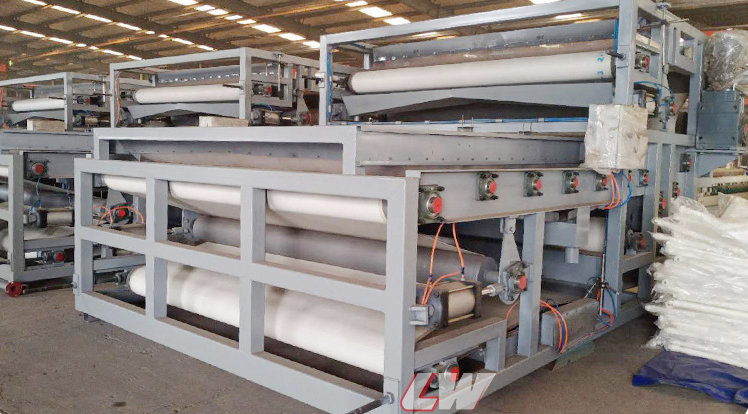
- Advanced Pneumatic Tensioning:
Heavy-duty cylinders maintain constant, high belt tension to ensure consistent dewatering results, automatically compensating for belt stretching.
- Smart Safety Control (PLC):
Integrated Siemens/Omron PLC monitors the high-pressure environment in real-time. Includes automatic misalignment correction and over-pressure emergency stops to ensure safe, unattended 24/7 operation.
Equipment Selection Guide
Comparing Belt Presses vs. Chamber Presses vs. Vacuum Filters.
Choosing the right dewatering equipment is critical for balancing cake dryness, throughput capacity, and operational costs (OPEX). While every technology has its place, Loway’s High-Pressure Belt Filter Press offers the optimal solution for industries requiring continuous, high-volume processing.
Here is how our technology stacks up against traditional alternatives:
Choosing the right dewatering equipment is critical. While Plate Presses are known for dryness, they are intermittent. While Standard Belt Presses are continuous, they are often too wet. Loway High-Pressure Belt Filter Presses offer the optimal balance.
- Loway High-Pressure Belt Press vs. Chamber/Plate Press
The Battle of “Continuous” vs. “Batch”
- Chamber press/Plate Press: Excellent dryness, but operates in batches. Stopping to fill and discharge creates downtime and reduces overall throughput capacity.
- Loway High-Pressure Solution: Operates continuously 24/7. By utilizing high-shear rollers, we achieve cake dryness levels much closer to plate presses than standard units, but with vastly superior processing volume per hour.
- Loway High-Pressure Belt Press vs. Vacuum Filter
The Battle of “Shear Force” vs. “Suction”
- Vacuum Filter: Relies on limited atmospheric pressure (max 1 bar) and consumes high energy for vacuum pumps. Often leaves cakes wet.
- Loway High-Pressure Solution: Uses mechanical shear pressure up to 15 bar (1.5 MPa). This physical squeezing is far more effective at removing capillary water than vacuum suction, consuming significantly less energy.
Comparison Matrix
Feature | Loway High-Pressure Belt Press | Standard Chamber/Plate Press | Vacuum Disc/Drum Filter |
Operation Mode | Continuous (24/7 Non-stop) | Batch (Intermittent) | Continuous |
Throughput Capacity | High (Ideal for large flows) | Low to Medium | Medium |
Cake Moisture | Low (Optimized by High Pressure) | Very Low | Medium/High |
Energy Consumption | Low (Mechanical drive only) | Medium (High pressure pumping) | High (Vacuum pumps required) |
Footprint | Compact | Large (Requires space for plate opening) | Medium |
Noise & Vibration | Low | Low | High (Vacuum pump noise) |
Ideal Application | Mining, Sand Washing, Municipal (High Volume) | Chemical, Fine Ceramics (Low Volume, High Dryness) | Specific Chemical Processes |
Summary for the Buyer
Select Loway High-Pressure Belt Filter Press if:
- You need to process large volumes of sludge continuously without interruption.
- You require a drier cake than standard belt presses can provide (e.g., for dry stacking or lower disposal fees).
- You want to minimize labor costs with a fully automated system.
- You are looking for high performance with lower operational costs (OPEX) compared to centrifuges or vacuum filters.
High-Performance Solutions for Demanding Industries
Municipal Water Treatment (Deep Dewatering)
- Application: Residual activated sludge, Digested sludge.
- High-Pressure Advantage: Reduces sludge volume by an extra 10-15% compared to standard presses. This massive reduction in weight significantly lowers transport and landfill tipping fees.
Mining & Tailings (Tailings Dry Stacking)
- Application: Iron, Copper, Gold tailings, Coal washing slime.
- High-Pressure Advantage: Achieves the critical <20% moisture threshold required for dry stacking, eliminating the risk of tailings dam failures.
Construction & Sand Washing (High Volume)
- Application: Shield tunneling mud, Sand washing wastewater.
- High-Pressure Advantage: Handles high-volume abrasive slurry continuously, turning liquid mud into stackable solids that don’t drip during transport.
Industrial & Chemical (Hazardous Waste)
- Application: Chemical gypsum, Electroplating sludge, Textile sludge.
- High-Pressure Advantage: Essential for hazardous waste where disposal is charged by weight. Maximum dryness equals maximum cost savings.
Livestock & Agriculture (Bedding Recovery)
- Application: Cow manure, Biogas digestate.
- High-Pressure Advantage: Squeezes manure fibers dry enough (65% moisture) to be immediately reused as fluffy, hygienic cattle bedding (RMS), replacing expensive straw or sand.
Food & Beverage (Juice Yield)
- Application: Apple pomace, Vegetable pulp, Brewer’s grains.
- High-Pressure Advantage: The high shear force acts like a continuous juicer, extracting more liquid yield per ton of raw material than low-pressure alternatives.
Technical Specifications & Selection Guide
Choosing the right High-Pressure model depends on your specific throughput (flow rate) and sludge characteristics.
Parameter | Municipal Sludge | Sand Washing / Mining | Tailings Dry Stack |
Roller Configuration | 6-10 S-Type Rollers | 8-12 Flat/High-Pressure Rollers | 10-14 Super High-Pressure Rollers |
Belt Width | 1.0m – 2.5m | 2.0m – 3.0m | 2.5m – 3.0m+ |
Pressure Intensity | High Shear (Biological flocs) | High Pressure (Abrasion resistant) | Ultra-High Pressure (Max density) |
Typical Cake Moisture | 75% – 80% | 15% – 20% | < 20% |
Selection Calculation Tip:
To estimate the required Belt Width (B), you can use the following logic:
- Belt Width (m) ≈ [Target Capacity (m³/h) × Solid Content] ÷ [Belt Speed × Loading Rate]
- Note: High-pressure models typically run at slightly slower belt speeds to maximize the squeezing time in the high-pressure zone.
Expert Tip: Contact our engineers for a Free Sizing Calculation tailored to your specific material density and dryness targets.
FAQ About High-Pressure Belt Filter Presses
Have More Questions? Our technical team is ready to provide detailed, personalized guidance.
Q1: What is the main difference between your "High-Pressure" model and a standard belt press?
The key difference lies in the roller configuration and pressure intensity.
While standard belt presses use fewer rollers with moderate tension, our High-Pressure Belt Filter Press features:
- More Rollers: An extended high-pressure zone with 6–12+ shear rollers.
- Decreasing Roller Diameters: The rollers are arranged from large to small. As the sludge passes through, the pressure intensity increases progressively (up to 1.5 MPa), squeezing out capillary water that standard presses leave behind.
- Result: This design typically produces a cake that is 5%–10% drier than standard models.
Q2: When choose a High-Pressure Belt Press over a Plate Frame Press?
It bridges the gap between efficiency and dryness. While a plate press offers high dryness, it is a batch process (slow, intermittent). Our High-Pressure Belt Press operates continuously (24/7), handling significantly larger volumes while achieving dryness levels that are substantially better than those of standard belt presses.
Q3: Can the filter belts withstand the higher tension and pressure?
Yes. We use Heavy-Duty Filter Belts specifically woven for high-pressure applications.
- Material: Reinforced Polyester/Polyamide with high tensile strength.
- Joints: Stainless steel clipper seams or seamless woven joints to prevent breakage under high tension (8–10 kN/m).
- Life Expectancy: Despite the higher pressure, our precision-aligned roller system minimizes wear, offering a belt life comparable to standard units (3,000–4,000 hours depending on sludge).
Q4: Is this suitable for secondary biological sludge?
Yes. Biological sludge is often “slippery” and hard to press. Our design includes a long Wedge Zone (Pre-compression) that gently stabilizes the sludge before it enters the High-Pressure zone, preventing side-spillage and ensuring effective deep dewatering.
Q5: Is this high pressure belt filter machine suitable for "hard-to-dewater" secondary sludge?
Absolutely. Secondary biological sludge (from municipal or industrial sources) is gelatinous and hard to press.
Our machine’s “Wedge Zone” (Pre-pressure) gently stabilizes the sludge before it enters the High-Pressure S-Roll Zone. This gradual pressure increase prevents the sludge from “leaking” out the sides (side-spillage), allowing us to apply maximum pressure effectively to even the most difficult sludges.
Q6: What is the typical throughput and cake dryness for my industry?
Performance varies by material, but typical High-Pressure results are:
- Municipal Sludge: Cake solids 20%–25% (vs. 16-18% on standard presses).
- Coal Washing/Tailings: Cake solids 75%–85%.
- Paper Pulp: Cake solids 40%–50%.
We highly recommend a pilot test to guarantee these figures for your specific material.
Related Products

Rotary Drum Filter
Microfiltration machine rotary drum filtration for municipal and industrial wastewater

Membrane Filter Press
High-Pressure Up to 25 bar for maximum dryness

Filter Press
Precision-Engineered Filter Plates for Mining, Chemical, and Wastewater.

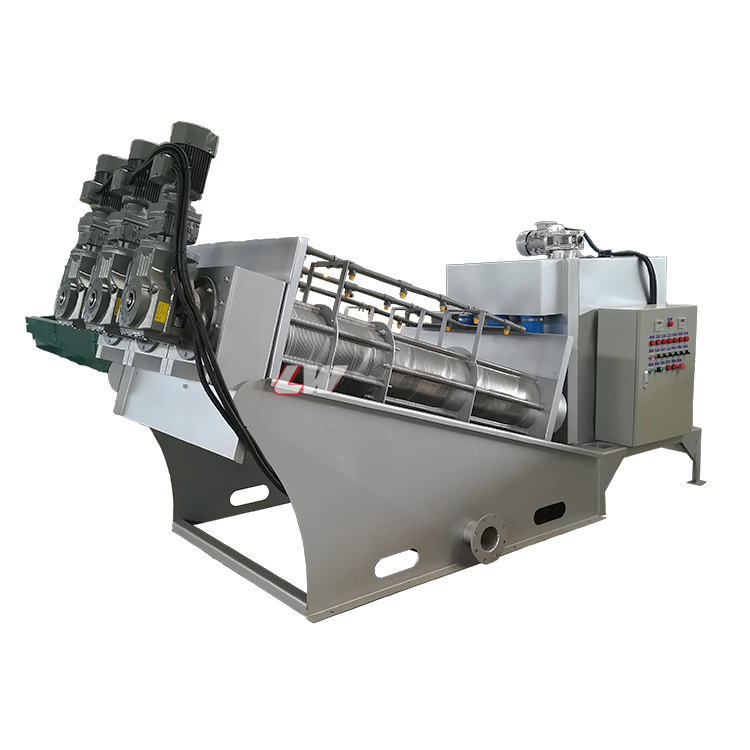
Dewatering Screw Press
Continuous operation for efficient sludge treatment