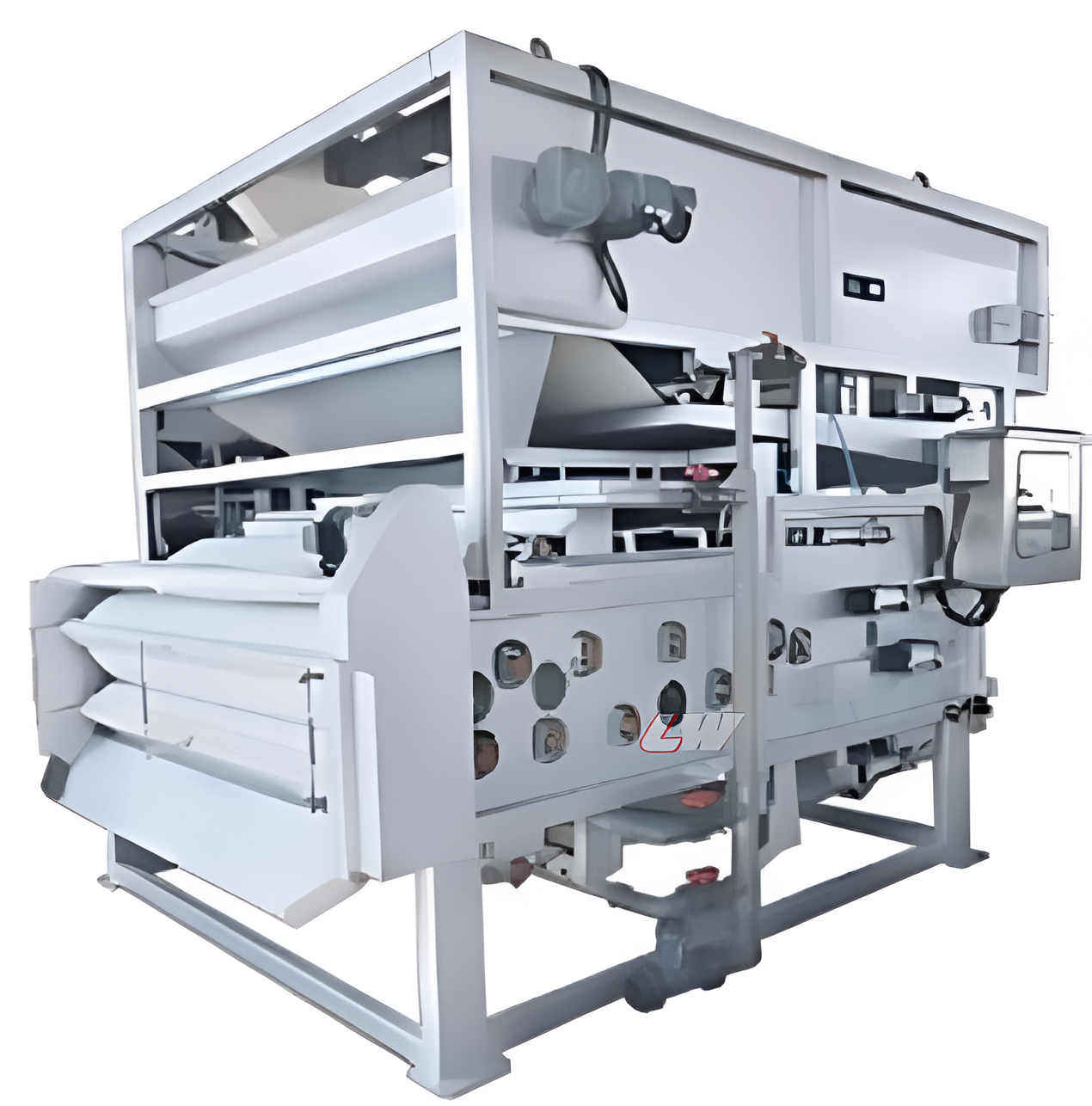
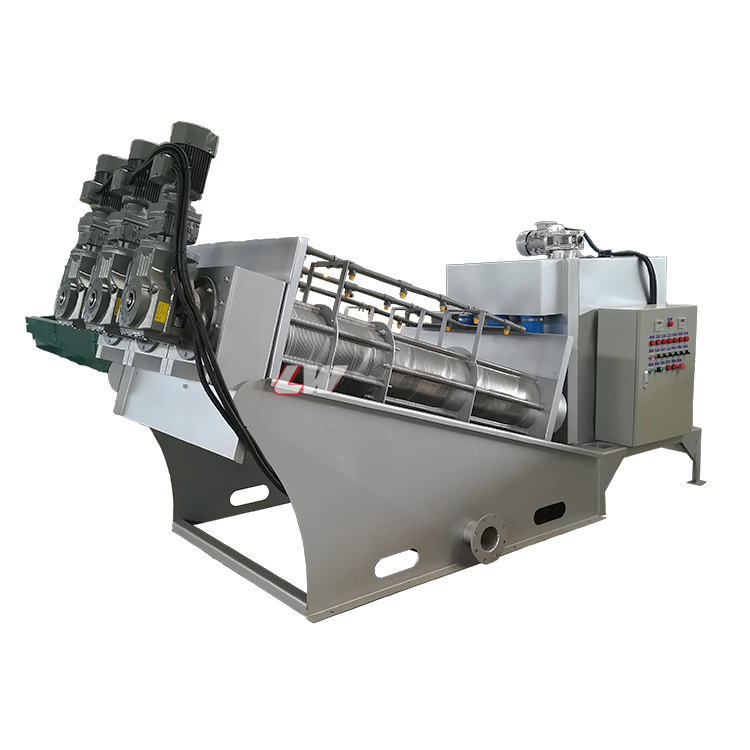
Selecting the right filter cloth is not just about fitting the machine—it is about mastering the balance between filtration precision, cake discharge speed, and service life.
Whether you are operating a continuous Belt Filter Press or a batch Chamber/Plate & Frame Filter Press, the wrong fabric choice can lead to frequent blinding, wet filter cakes, and costly downtime.
At Loway Equipment, we bridge the gap between material science and on-site application. This guide helps Procurement Managers and Process Engineers understand the critical differences in cloth selection to ensure peak performance for your specific solid-liquid separation process.
While both systems aim to separate solids from liquids, the physical demands on the fabric are fundamentally different.
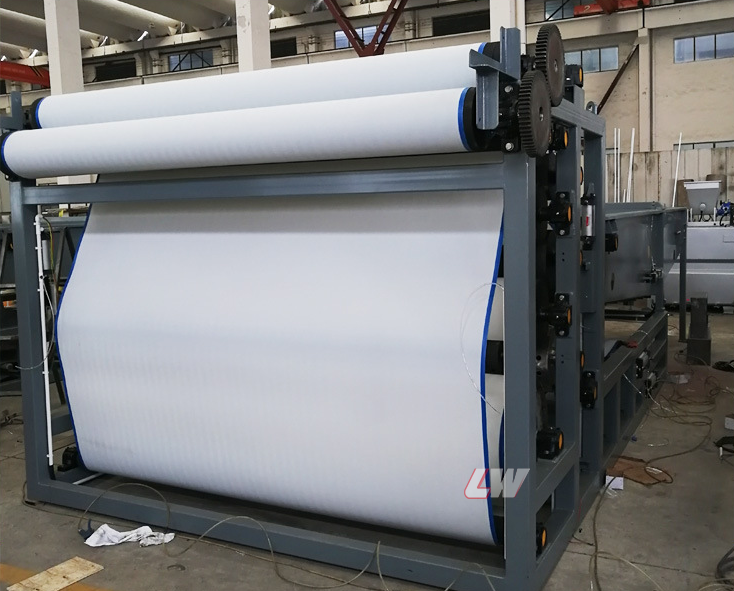
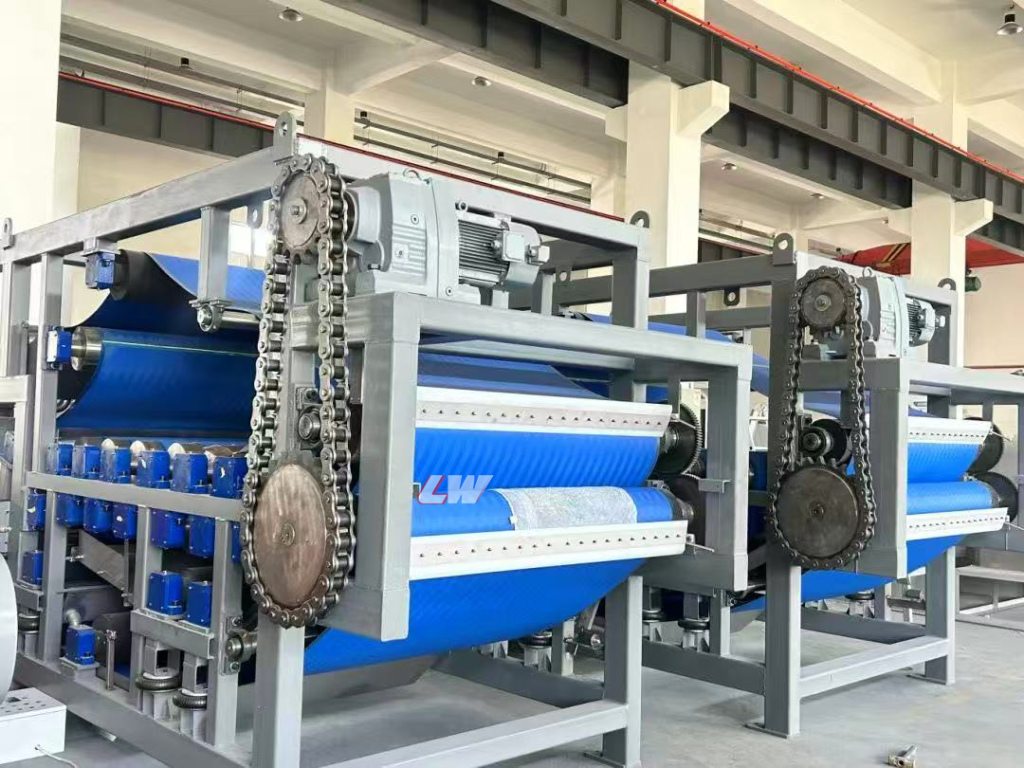
Designed for: Municipal Sludge, Paper Pulp, Juice Squeezing
For belt presses, the fabric is a moving component. The priority is dimensional stability. If the belt stretches too much, it slips; if it’s too rigid, it breaks.
Material Recommendation:
Weave & Structure:
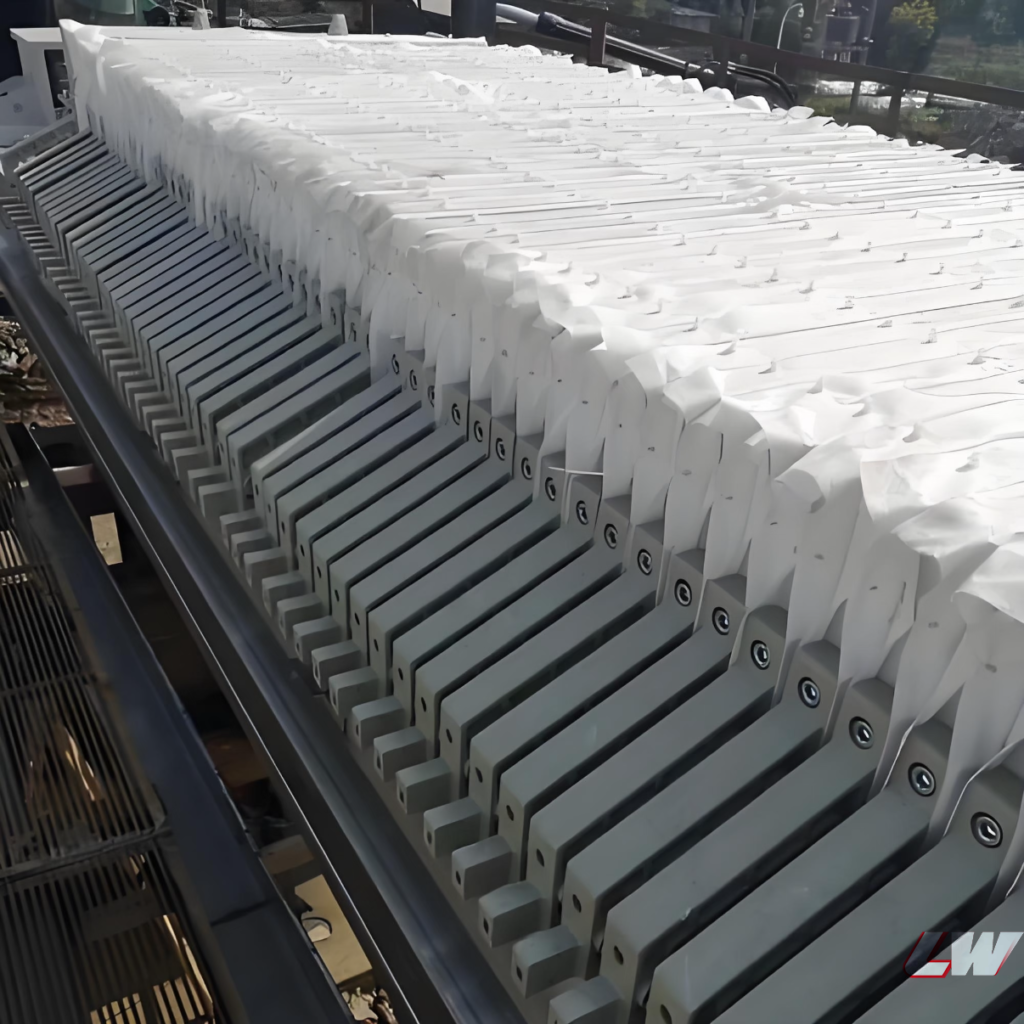
Designed for: Mining Tailings, Chemical Processing, Stone Wastewater
For plate presses, the cloth acts as a gasket and a filter. The priority is cake release and chemical resistance.
Material Recommendation:
Yarn Type Matters (Critical for Engineers):
Loway Equipment engineers have compiled this reference based on thousands of successful installations.
Application Scenario | Recommended Material | Weave & Yarn Strategy | Why This Works? |
Municipal Sludge (High moisture, sticky) | Polyester (Belt) / PP (Chamber) | Satin or Twill Weave / Monofilament | Monofilament surfaces are smooth, preventing sticky sludge from clogging the pores. Satin weave enhances cake release. |
Mine Tailings (Abrasive, heavy load) | Nylon or Heavy-duty PP | Plain Weave / Multifilament | High abrasion resistance is required. Tighter weaves capture fine ore particles while withstanding high-pressure squeezing (up to 1.6 MPa). |
Chemical Processing (Acids/Alkalis, fine particles) | Polypropylene (PP) | Plain Weave / Staple Fiber | PP withstands harsh chemical attack. Staple fibers creates a complex path to trap micron-sized precipitates (1–5μm). |
Food & Beverage (Hygiene required) | Food-Grade Nylon or PET | Satin Weave / Mono-Multi Mix | FDA-compliant materials. Smooth surface finish ensures no fiber contamination enters the food product. |
If you are experiencing these issues, it is time to consult Loway Equipment for a replacement.
• Cause: The weave is too open, or you are using monofilament when you need multifilament.
• Fix: Switch to a tighter weave or a “double-layer” cloth design.
Don’t guess with your filtration process. A cloth that costs 10% less but lasts half as long is not a saving—it is a liability.
At Loway Equipment, we don’t just sell rolls of fabric; we engineer solutions.

Enhanced dewatering for difficult materials

High-Pressure Up to 25 bar for maximum dryness

Portable solutions for temporary sites

Continuous operation for efficient sludge treatment
filter press price | sludge dewatering equipment supplier | filter press manufacturer| dewatering screw press | belt filter press | wastewater treatment equipments| wastewater treatment plants
schedule a consultation with our filtration experts