
Petroleum & Refinery Sludge Management
Maximize Recovery. Minimize Hazardous Liability.
Engineered separation solutions for the most demanding hazardous zones (ATEX).
At Loway Equipment, we engineer robust dewatering systems specifically for the critical safety and environmental standards of the oil & gas sector. We partner with refineries and drilling operators to transform challenging waste streams—oily sludge, tank bottoms, and drill cuttings—into manageable dry solids and recoverable hydrocarbons.
Our mission is clear: Reduce hazardous waste volume, recover lost oil, and ensure absolute safety compliance.

86 189 5282 5752
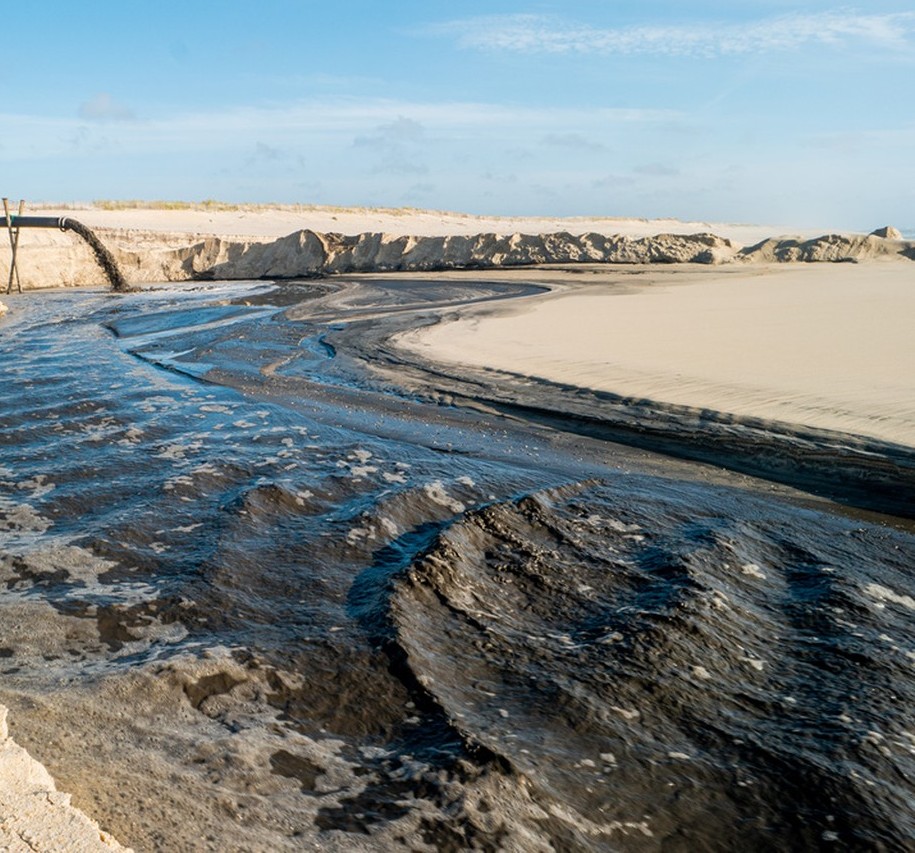
The Core Challenge: Managing High-Risk Waste
In the petroleum sector, inefficiency directly impacts safety and profitability.
- Exorbitant Disposal Costs: Oily sludge is classified as hazardous waste. Disposal fees are based on weight/volume. If you can't get the water out, you are paying to landfill water.
- Complex Feed Material: Waste streams are a volatile mix of crude oil, water, abrasive solids (sand), and paraffins.
- Safety & Emissions: Operations often require Explosion-Proof (Zone 1/2) equipment and strict containment of Volatile Organic Compounds (VOCs).
For applications requiring maximum volume reduction and solid dryness, Loway’s High-Pressure Filter Presses are the industry standard.
By applying pressures up to 20-30 bar and utilizing specialized Heated Plate Technology, we overcome the limitations of standard filtration.
Key Outcomes:
- Maximize Oil Recovery: Efficiently separate recoverable oil from the solid cake, turning waste into revenue.
- Slash Disposal Costs: Achieve cake dryness of 60-80% solids, reducing hazardous waste volume by up to 70% compared to liquid sludge.
- Safety First: Fully sealed plate packs and optional enclosure systems effectively contain VOCs, protecting your personnel.
Technology Selection: Why Filter Press for Petroleum?
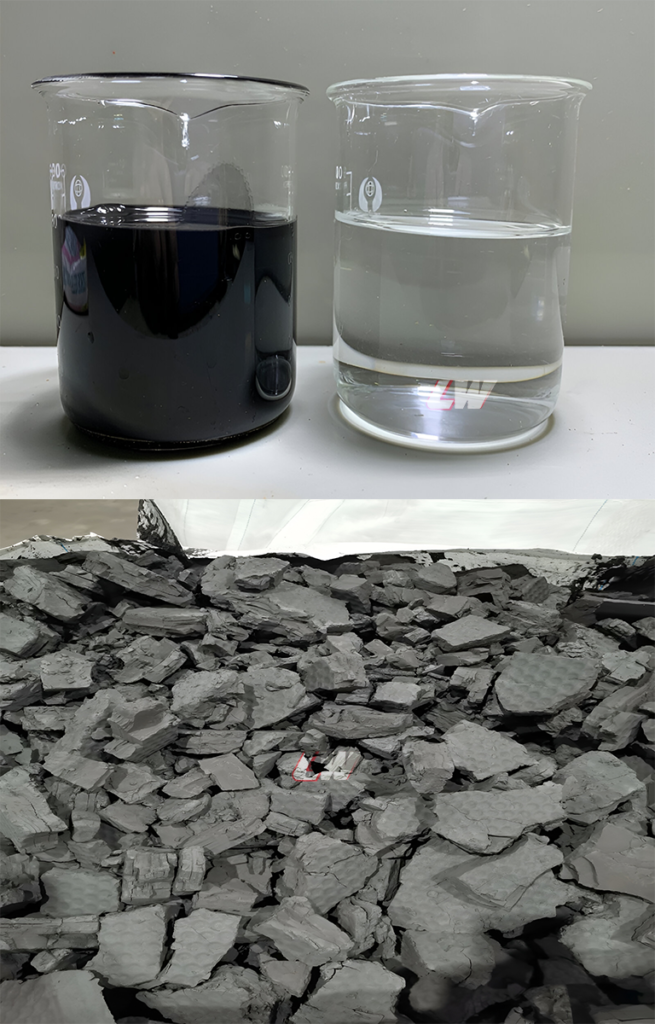
As a manufacturer of Filter Presses, Screw Presses, and Belt Presses, we provide unbiased advice. However, for Heavy Oily Sludge and Drilling Waste, the High-Pressure Filter Press outperforms alternatives for specific reasons:
Technology | Performance Analysis in Oil & Gas |
Good for: Low-solid, sticky biological sludge.Limitation: Struggles with abrasive solids (sand in tank bottoms), which wear out the screw shaft rapidly. Cannot achieve the “landfill-ready” dryness required for hazardous waste. | |
Good for: Non-hazardous aggregates. Limitation: Safety Risk. The open design allows VOCs to escape into the atmosphere. Oily sludge also rapidly “blinds” the belts, causing wash-water consumption to skyrocket. | |
Filter Press (Loway Recommended) | Best for: Tank Bottoms, Drilling Cuttings, Hazardous Waste Reduction. Advantage: The sealed, high-pressure chamber safely contains VOCs, handles abrasives without wear, and produces the driest possible cake for the lowest disposal cost. |
Key Applications in Petroleum Operations
Tank Bottom Sludge (Storage Tank Cleaning)
The Challenge:
Heavy, viscous sludge containing crude oil, paraffin, and abrasive sand.
The Loway Solution: Heated-Plate Filter Press. Uses thermal plates to lower oil viscosity, allowing for efficient separation and recovery of crude oil while discharging a dry sand cake.
Drilling Cuttings (OBM / WBM)
The Challenge:
Strict “Zero Liquid Discharge” regulations prohibit dumping drilling mud.
The Loway Solution: High-Pressure Membrane Press. Squeezes drilling mud to recover expensive base oils/fluids for reuse, leaving a dry, environmentally compliant solid cake.
Refinery Slop Oil (API Separator)
The Challenge:
Recovering oil from emulsions and wastewater skimmings.
The Loway Solution: Pre-Coat Filtration. Utilizes a pre-coat aid (like DE or Ash) to protect filter cloths from blinding, ensuring crystal clear filtrate and high oil recovery rates.
Petrochemical Sludge
The Challenge:
Processing spent catalysts or chemical by-products in corrosive environments.
The Loway Solution: Corrosion-Resistant Design. Construction using SS316L cladding or solid PVDF plates to withstand high temperatures and aggressive acids/alkalis.
The Manufacturer Advantage: Built for the Oilfield
- Explosion-Proof Certified:
We integrate ATEX / IECEx certified motors, sensors, and control panels for safe operation in Class 1 Div 1 or Zone 1 environments.
- Temperature Control:
Our presses can be designed to handle feed temperatures up to 95°C (200°F), essential for viscosity reduction in heavy oils.
- Anti-Blinding Tech:
We don’t just sell standard cloths. We supply monofilament oil-release cloths and automated high-pressure washing systems (100 bar) to maintain efficient cycle times.
- Skid-Mounted Mobility:
Complete “Plug-and-Play” systems mounted on skids for easy relocation between tanks or drilling sites.
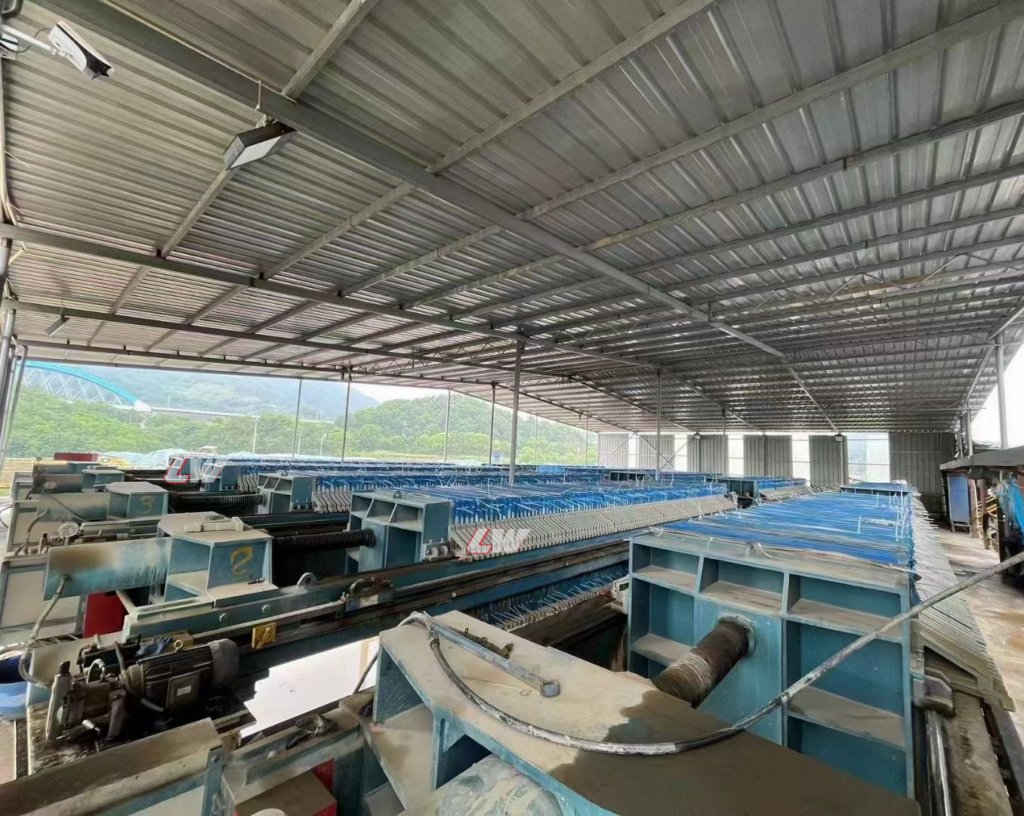
At Loway Equipment, we’re committed to helping you optimize your processes with reliable and efficient filter press solutions.
Contact us today to learn more about how our filter presses can help improve your operations’ efficiency, productivity, and sustainability.
Filter Presses in Oil & Gas
Have More Questions? Our technical team is ready to provide detailed, personalized guidance.
Q1: High oil content usually clogs filter cloths. How do you prevent this?
This is a common issue with standard presses. Loway addresses this via three methods:
1) Heated Plates to melt paraffins/grease;
2) High-Temperature Wash Systems that clean cloths automatically;
3) Pre-coat Technology for difficult sludges.
Q2: Can you handle abrasive sand in tank bottoms?
Yes. Unlike Screw Presses that wear out, Filter Presses are static systems. We use abrasion-resistant inlet designs and heavy-duty filter cloths specifically meant for sandy environments.
Q3: Our oily sludge composition varies daily. How does your press ensure consistent performance?
We engineer our systems to be Process-Adaptive. We don’t just supply a machine; we supply a control strategy:
- Smart Automation:Our PLC stores multiple recipe programs. For wax-heavy sludge, operators can select a “Hot Pressing” cycle; for high-solids sludge, a standard cycle.
- Integrated Dosing:We offer integrated Polymer Dosing Units that work in sync with the press feed pump to maintain optimal flocculation, even as feed characteristics change.
- Cloth Library:Based on your sample, we select from our library of specialized Oil-Release Cloths (monofilament/satin) to balance capture efficiency with easy cake discharge.
Q4: Compared to centrifuges, what is the ROI for a Filter Press?
The Filter Press typically offers a Lower Total Cost of Ownership (TCO) for three reasons:
- Drier Cake = Less Waste:Filter presses produce a cake with 10-20% higher solids than centrifuges. This drastically slashes your hazardous waste hauling and disposal fees.
- Lower Maintenance:Centrifuges spin at 3000+ RPM; abrasive sand in tank bottoms destroys their scrolls, leading to expensive repairs. Our press is a static, low-wear machine.
- Oil Recovery:The high-pressure squeeze yields a clearer filtrate, allowing you to recover more valuable crude oil back into the process.
Q5: How do you handle VOCs and explosion risks (ATEX)?
We engineer fully compliant systems for hazardous zones:
- Explosion-Proof (ATEX/IECEx):We provide full certification for motors, sensors, and control panels suitable for Zone 1 or Zone 2
- VOC Containment:Our presses feature Gas-Tight Enclosures and Drip Trays.
- Nitrogen Purging:For high-risk applications, we integrate a Nitrogen Purge system to inert the chamber oxygen levels before the cycle begins, ensuring absolute safety
Q6: What maintenance requirements are specific to petroleum applications?
Maintenance considerations include:
- Regular inspection of seals and gaskets exposed to hydrocarbons
- Filter cloth replacement (typically every 300-800 cycles, depending on abrasiveness)
- Cleaning of plates to prevent oil buildup
- Hydraulic system checks and fluid replacement
- Inspection of components exposed to corrosive materials
- Safety system verification and testing
- VOC monitoring equipment calibration
Loway Equipment Applications Across Industries
We are proud to have worked with clients from diverse industries, providing tailored filtration solutions that improve efficiency, reduce costs, and enhance operational performance.


